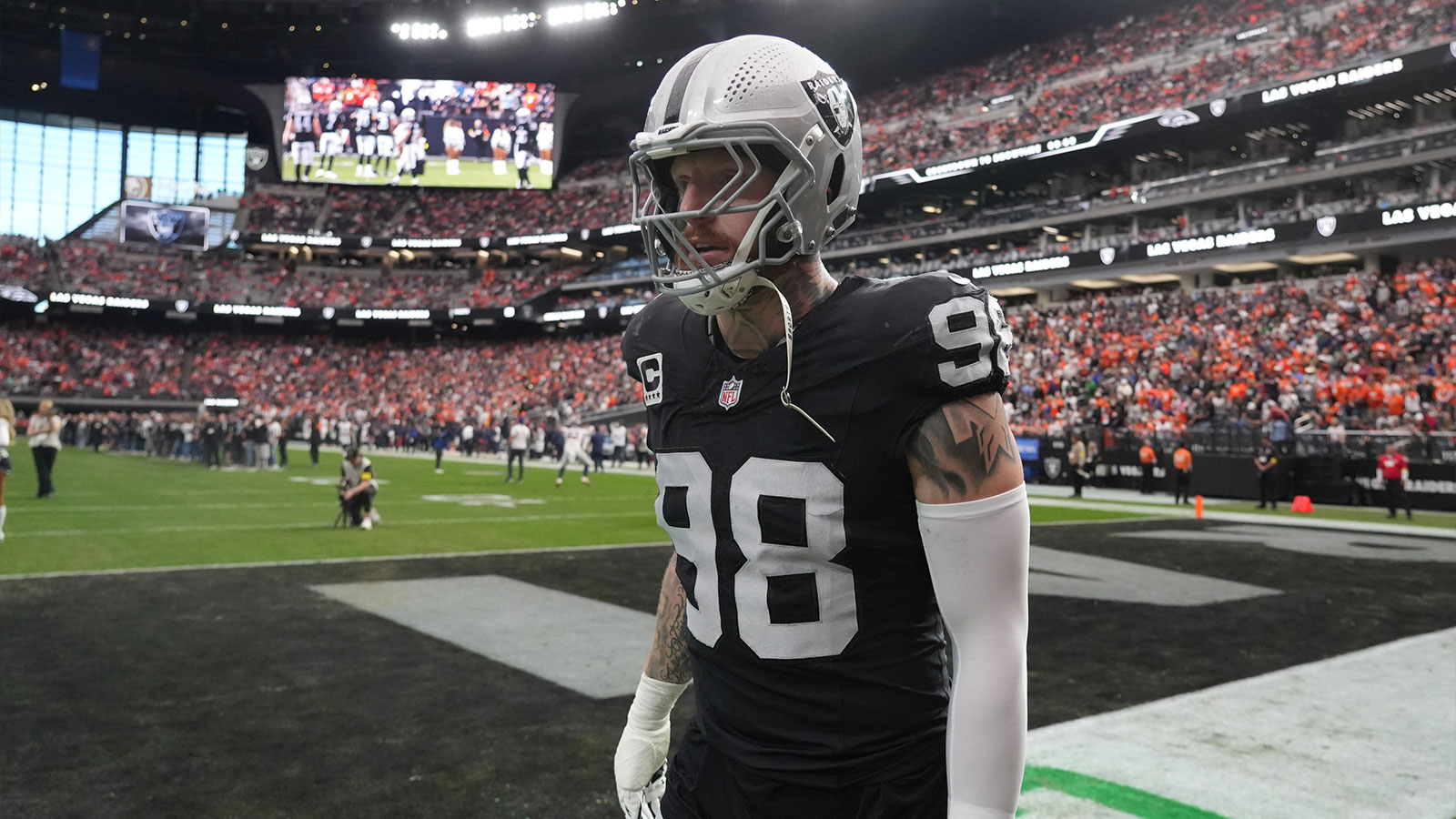
The Las Vegas Raiders have a quarterback problem. And not the bad kind necessarily. They have the No. 1 overall pick in Fernando Mendoza, but an ESPN insider recently floated the idea that the team might actually prefer to start Aidan O’Connell early on. Let Mendoza sit. Learn. Watch.
That changes the math on everything, including what the Raiders do in future drafts. And that’s where the 2027 PFF mock draft simulator gets interesting. Because if you plug in the most likely scenario — Mendoza holding a clipboard for a while — the draft priorities shift. The Raiders start with a premium defender, then spend the middle rounds loading up on weapons and protection.
Edge Rusher at No. 4 Makes Immediate Sense
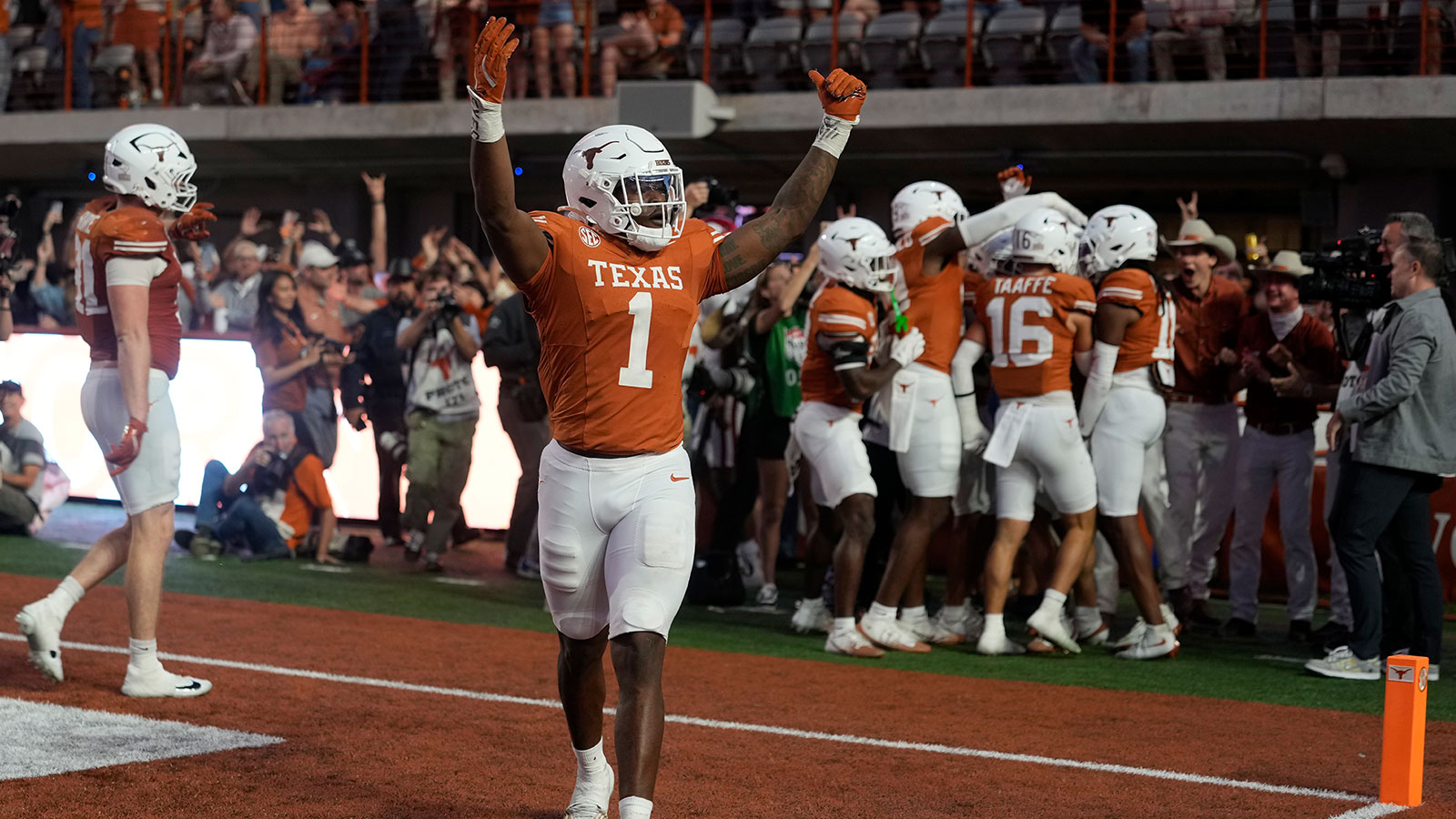
Colin Simmons out of Texas is the kind of player you don’t overthink. He’s explosive off the edge, lives in backfields, and has that rare ability to wreck a game plan before the tackle even gets set. He’s a little undersized compared to the traditional power rushers, but his game is built on quickness and disruption. At No. 4 overall, the upside is just too high to pass up, even if he needs to add some functional strength against the run.
The Raiders have been searching for a foundational pass-rusher for years. Simmons could be that guy.
Building Around a Young QB Starts in Round 2
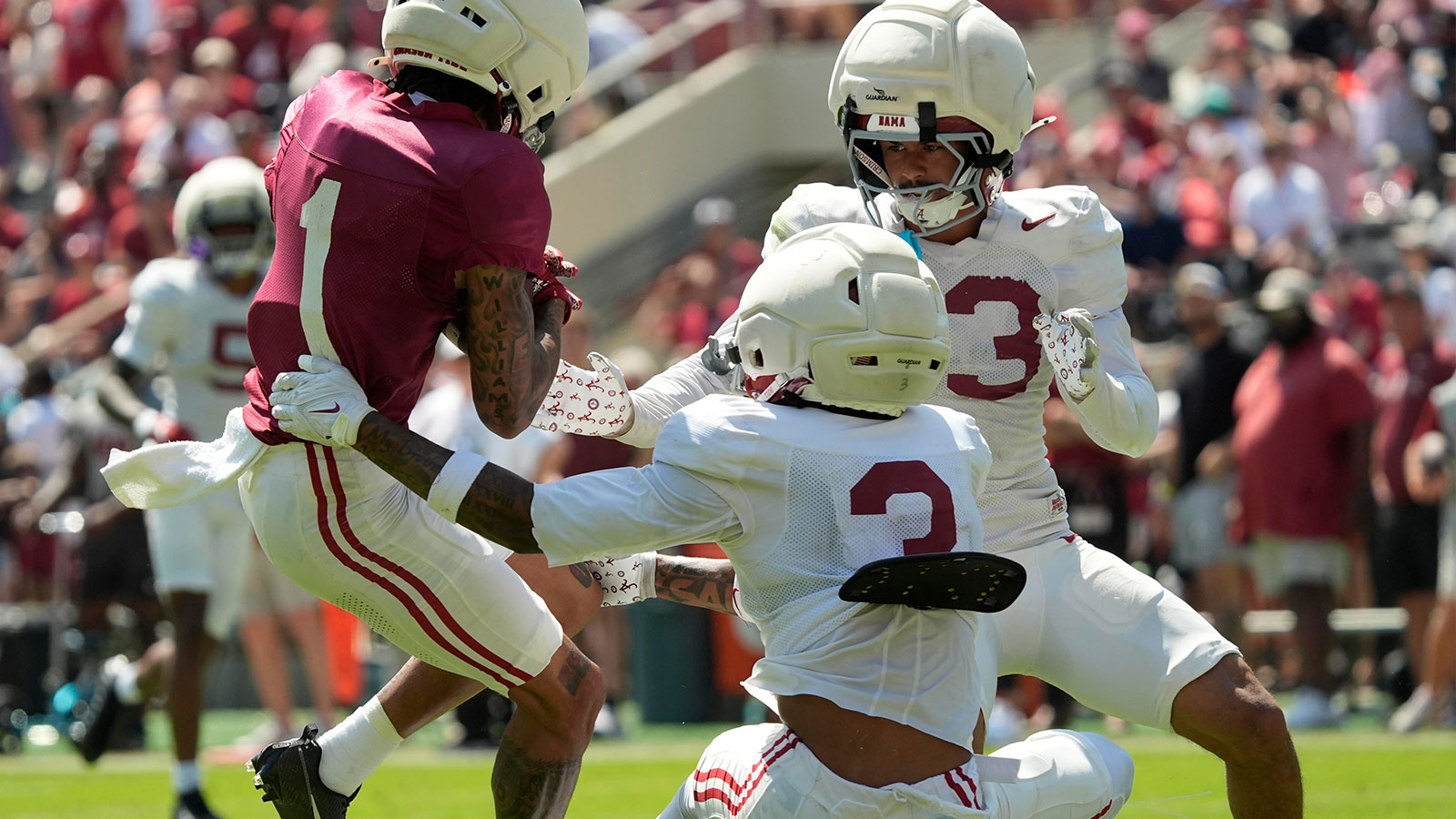
If you’re serious about developing Mendoza, you don’t just throw him out there and hope. You give him real targets. Ryan Coleman-Williams from Alabama fits that description. He’s not the biggest receiver in the class, but he plays bigger than his size suggests. He accelerates quickly, creates separation on basic routes, and turns short throws into chunk gains. That’s exactly what a young quarterback needs — a safety valve that can also rip off 20 yards after the catch.
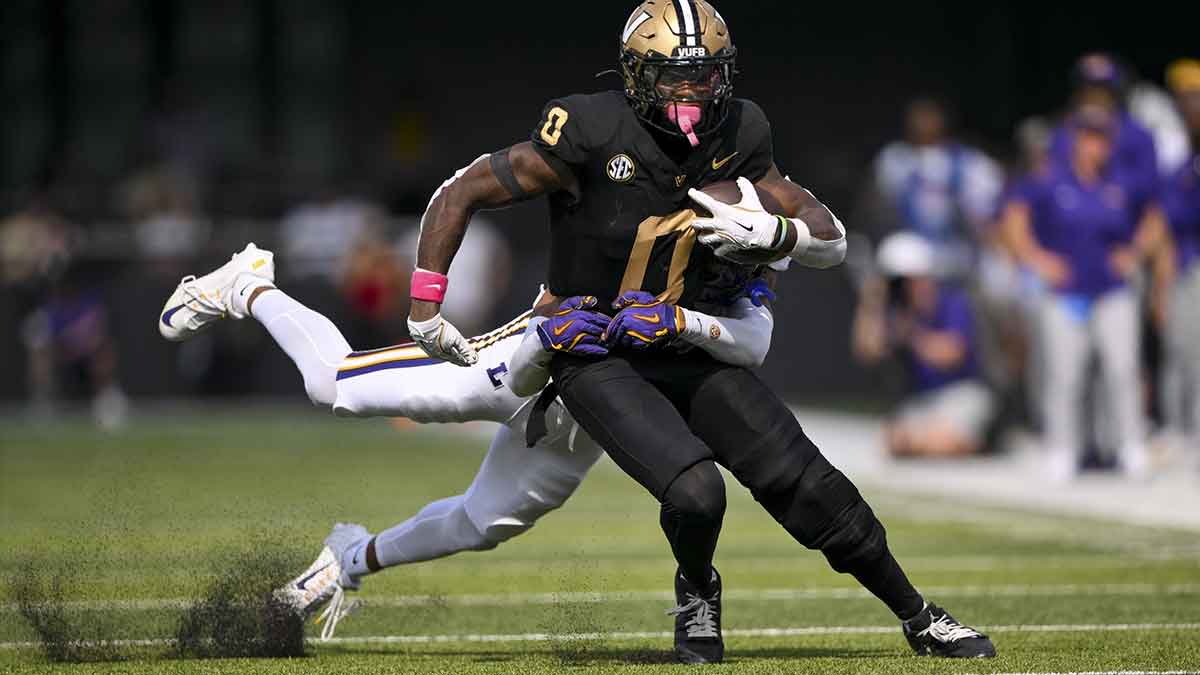
The Raiders also grabbed Junior Sherrill from Vanderbilt in the fourth round. Sherrill evolved from a speed gadget guy into a more complete receiver at Vanderbilt. He runs crisp routes, finds soft spots in zone, and has enough burst to get open on third down. Pair him with Coleman-Williams and you’ve got a receiving corps that can actually help a rookie develop.
Don’t Forget the Guys in the Trenches
Protection matters just as much as targets. Greg Johnson from Minnesota isn’t a flashy name, but he’s exactly the kind of guard who can keep a pocket clean. He played in a physical Big Ten offense and wins with power and positioning. He won’t blow anyone away athletically, but he’s got the size and consistency to handle NFL interior defenders.
Tight end Peter Clarke from Temple comes in Round 5. He’s 6-foot-6 and 265 pounds, with a background that started in London through the NFL Academy. His receiving production jumped in 2025, and his yards-per-catch numbers suggest he can actually stretch the seam, not just sit underneath. That’s a nice red-zone option for Mendoza.
Defensive Depth in the Later Rounds
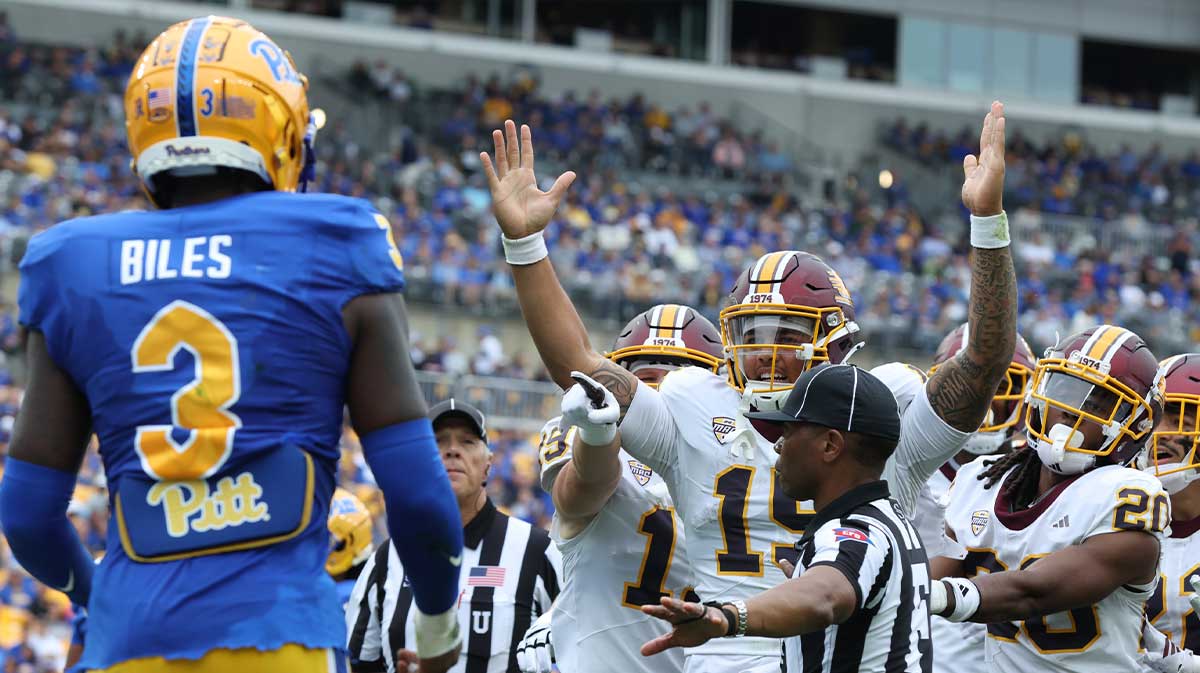
Linebacker Rasheem Biles from Texas is a sixth-round flier worth taking. He transferred from Pitt, where he piled up tackles, got into the backfield, and showed enough coverage skills to avoid being pigeonholed as just a run-stuffer. He plays downhill, creates negative plays, and fits the modern defensive preference for speed over bulk. His immediate role is likely special teams, but that’s fine for a sixth-rounder.
The overall approach here is logical. The Raiders can’t expect Mendoza to be a savior overnight. Rushing him onto the field without a solid supporting cast is how promising careers get derailed. This draft plan gives the rookie a real chance: an edge rusher who changes the defensive ceiling, receivers who can get open, protection up front, and a few versatile pieces underneath.
It won’t fix everything overnight. But it’s a serious start.
Leave a Comment