
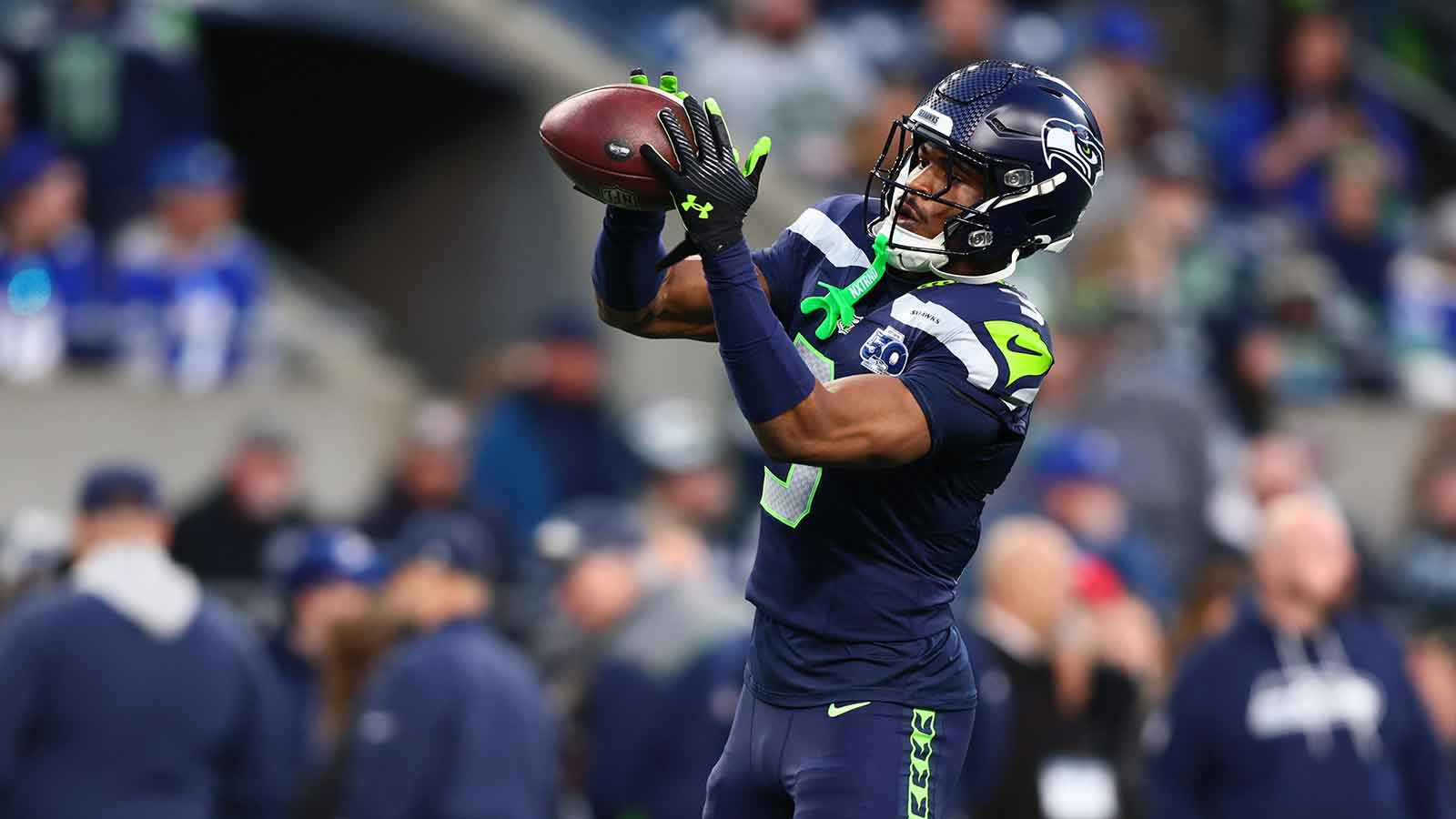
The Seattle Seahawks just won the Super Bowl. They beat the Patriots. They got the trophy. And Sam Darnold, their quarterback, spent part of the aftermath saying he was ‘kinda bummed’ about how he played. That’s the mood right now in Seattle. A champion that still sounds like it has something to prove.
If the front office agrees with that unease — and the early returns from the 2027 PFF mock draft simulator suggest they do — then this offseason isn’t about resting on rings. It’s about reloading before the window gets any tighter.
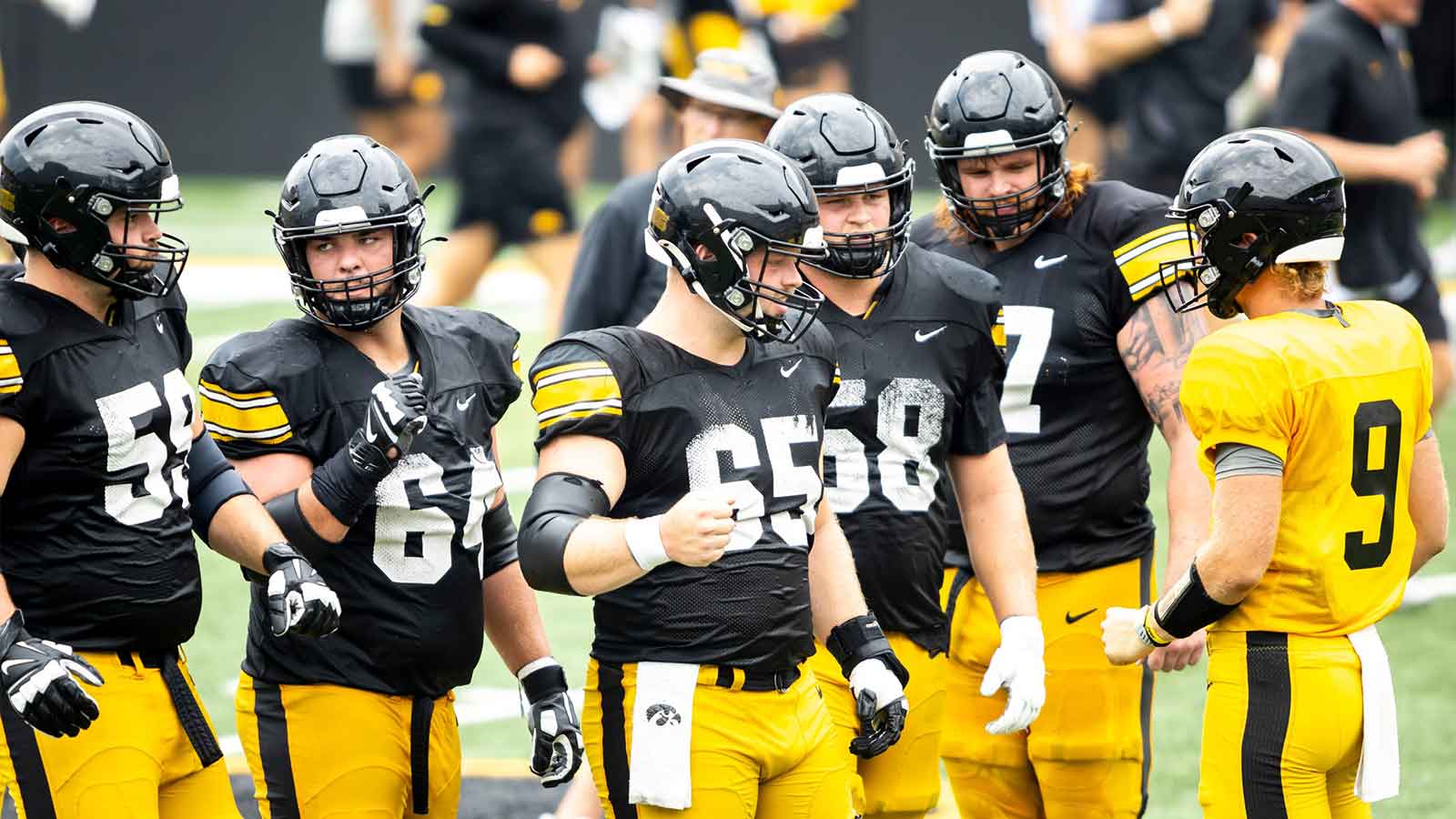
Round 1, Pick 29: Kade Pieper, G, Iowa
This is the most Seahawks pick possible. Kade Pieper isn’t going to sell jerseys. He’s an Iowa offensive lineman who started at right guard, can slide to center, and has the kind of quiet, physical game that keeps a roster stable. Seattle needs interior help. The run game needs a push. Pieper gives them that without any fuss.
Round 2, Pick 61: Princewill Umanmielen, ED, LSU
Edge rusher depth is one of those things you don’t think about until your starter twists an ankle in Week 14. Princewill Umanmielen has the frame and first-step explosiveness to be a rotational factor immediately. He’s raw. His hand usage needs work. But in the second round, you bet on tools like his.
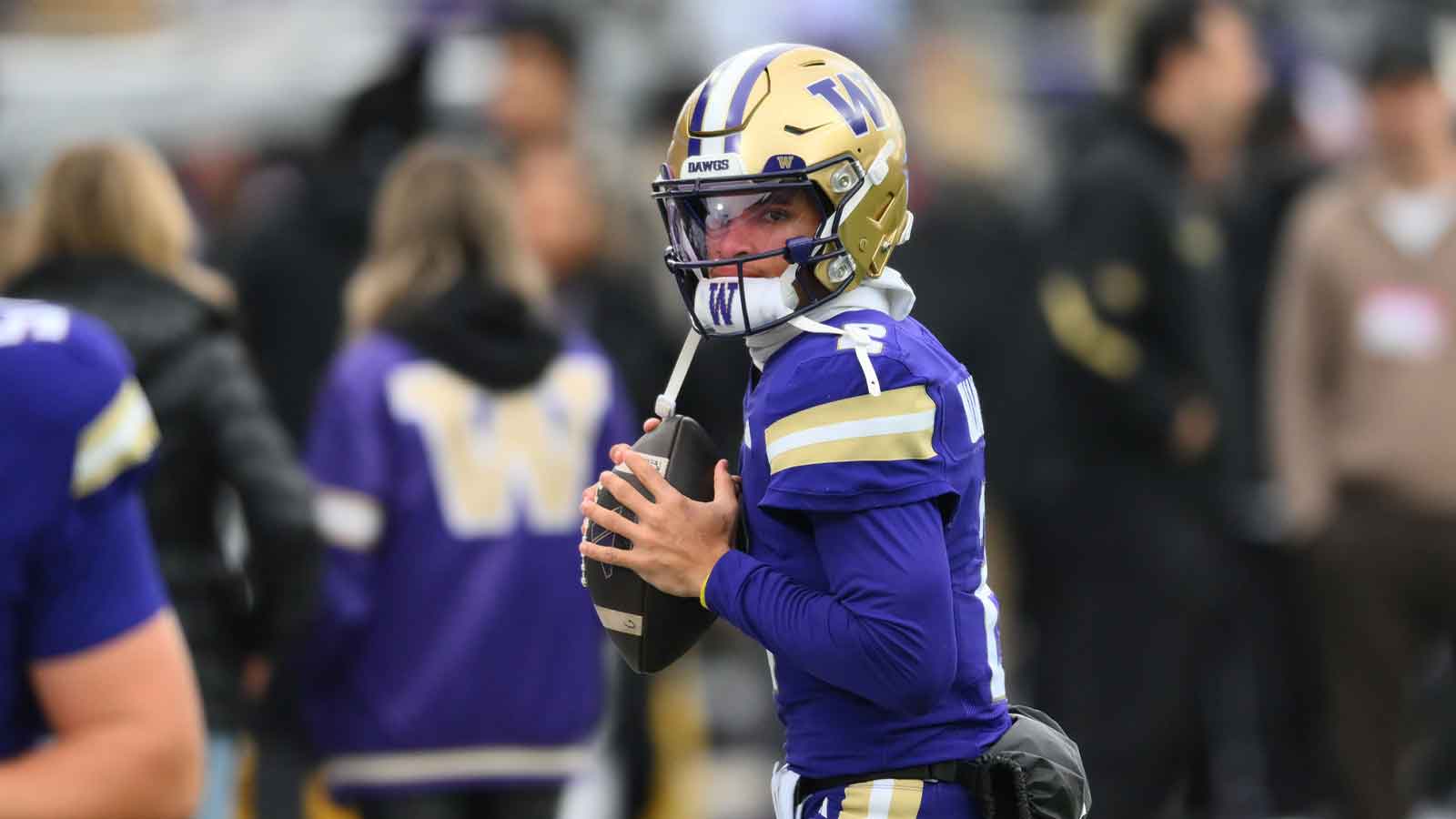
Round 3, Pick 93: Demond Williams Jr., QB, Washington
This is the pick that gets people talking. Demond Williams Jr. is a local kid. He’s undersized. He can run. And he’s not here to start a quarterback controversy — at least not yet. Darnold just won a Super Bowl, but he also just admitted he kind of stunk doing it. Seattle needs a long-term answer. Williams is a high-upside project who can sit and learn.
If he develops, great. If he doesn’t, it’s a third-round pick. The risk is low. The potential payoff is a franchise quarterback.
Round 4, Pick 127: Peter Clarke, TE, Temple
Peter Clarke is 6-foot-6 and 265 pounds. He came through the NFL Academy pipeline, which is not the usual path, and he showed enough receiving ability at Temple to be a red-zone mismatch. His blocking needs work. So does his route consistency. But you don’t find many fourth-round tight ends with that kind of size and catch radius.
Round 4, Pick 133: Adam Mohammed, HB, California
Mohammed is a power runner. Compact frame, finishes through contact, the kind of back who gets two yards when the blocking falls apart. He’s not replacing anyone. He’s competition. And for a defending champion, training camp battles are how you keep the edge.
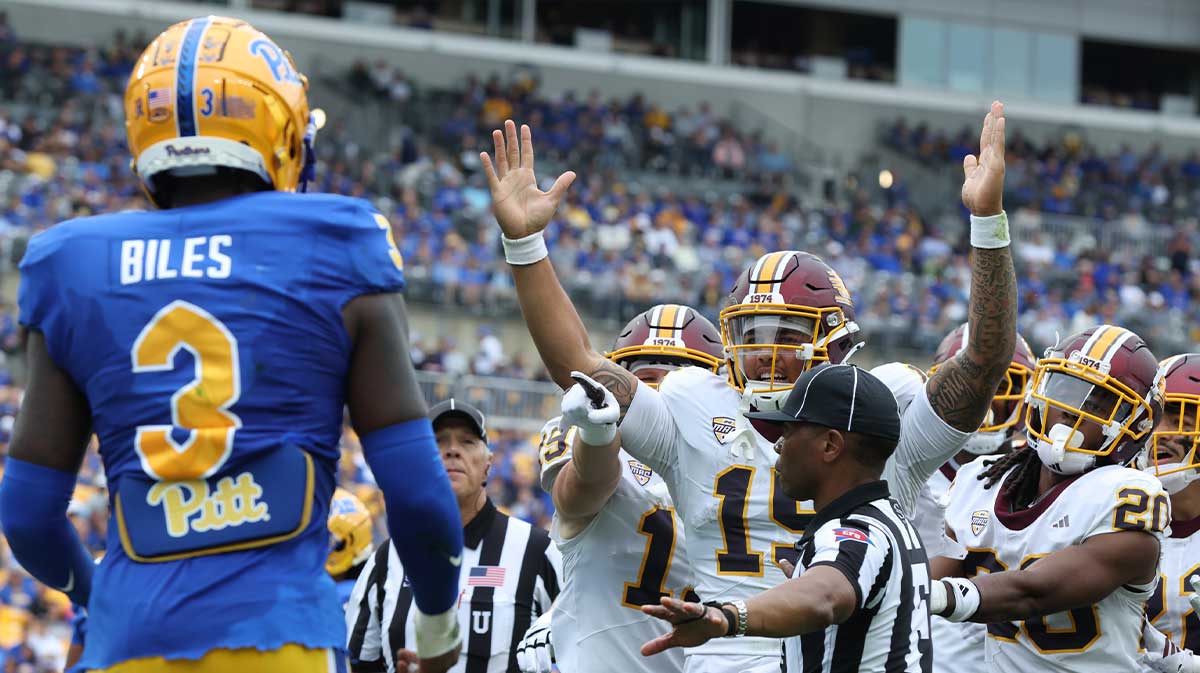
Round 5, Pick 167: Rasheem Biles, LB, Texas
Biles might be the best value in this whole simulation. He was productive before transferring to Texas, and he brings real playmaking ability as a blitzer and in coverage. He’s fast. He finds the ball. He makes plays instead of just being in the way. Fifth-round linebackers with that kind of range tend to stick on rosters.
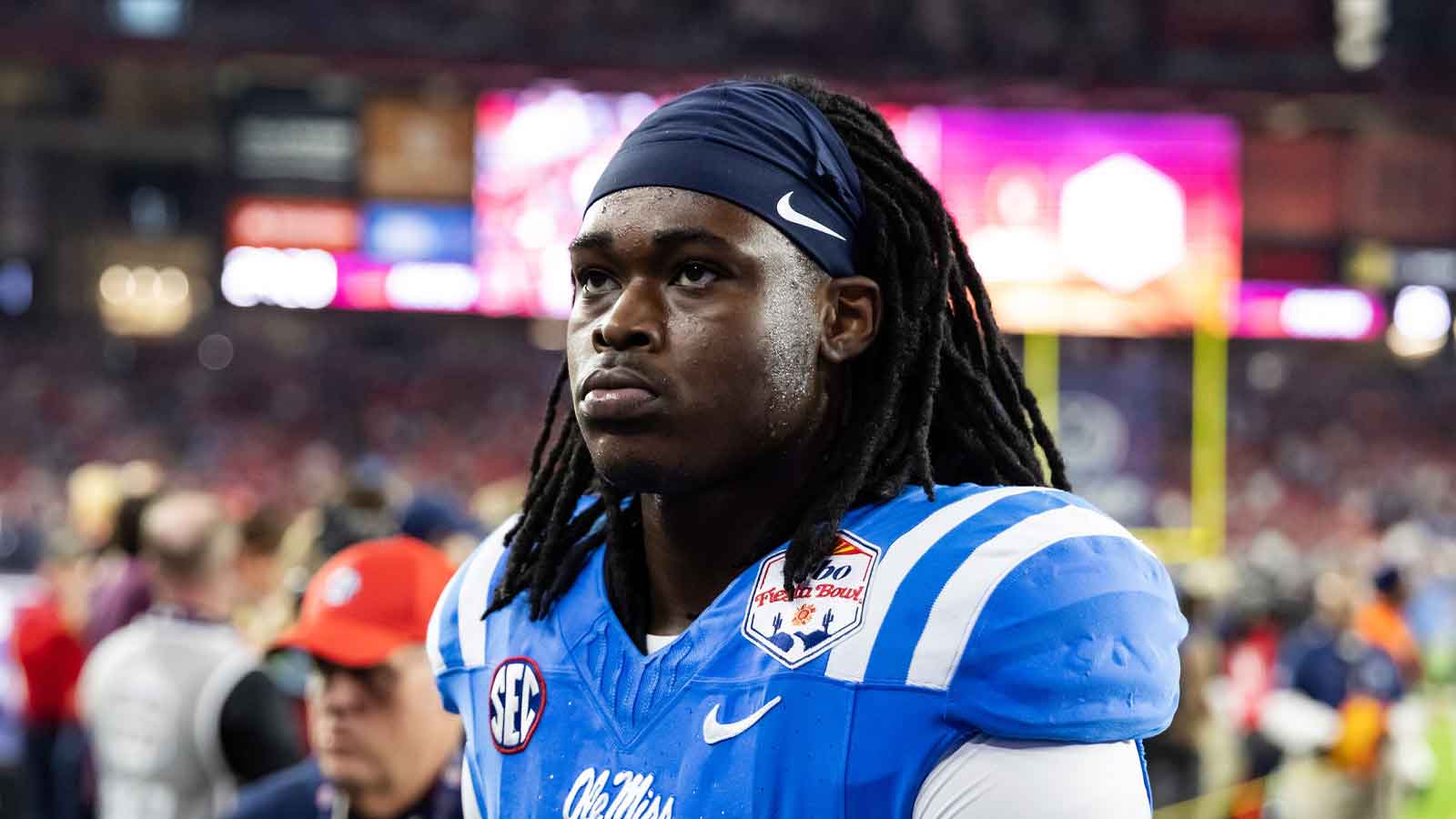
Round 5, Pick 172: Jordan Marshall, HB, Michigan
Yes, another running back. But Jordan Marshall is a different player than Mohammed. Marshall has burst. He can turn a small crease into a 20-yard gain. His Michigan background means he’s used to running through contact and protecting the ball. Seattle is creating competition here, not redundancy.
Round 5, Pick 173: Jaylen McClain, S, Ohio State
McClain has the size and physicality that Seattle likes in its defensive backs. He can tackle. He supports the run. He has enough range to play deep. And he’ll be immediate help on special teams. Late-round safeties who can do all that are exactly how you build depth without spending premium picks.
Round 5, Pick 175: Isaiah Horton, WR, Texas A&M
Horton is 6-foot-4 and plays like it. He’s a contested-catch guy who can work the boundary and the red zone. Separation is a question. But you’re not asking him to start. You’re asking him to develop behind established targets and maybe become a rotational piece. That’s fair value in the fifth.
Round 6, Pick 207: Ja’Bril Rawls, CB, Florida State
Rawls has the length and starting experience you gamble on late. Injuries are part of his file. But if he’s healthy, he can compete on the outside and contribute on special teams. Sixth-round corners are lottery tickets. Rawls at least has the traits to cash in.
Round 7, Pick 245: Chris Johnson Jr., HB, Clemson
The third running back of the draft. Chris Johnson Jr. is fast — like, one of the fastest backs in college football fast. He can catch passes, return kicks, and run stretch plays that slower backs can’t. Is Seattle keeping three rookie running backs? Probably not. But late-round picks are about creating competition, not guaranteeing roster spots.
This draft class doesn’t scream. It grinds. That’s the Seahawks way. And for a team that just won it all but still feels like it has something to prove, that’s exactly the right approach.
Leave a Comment