
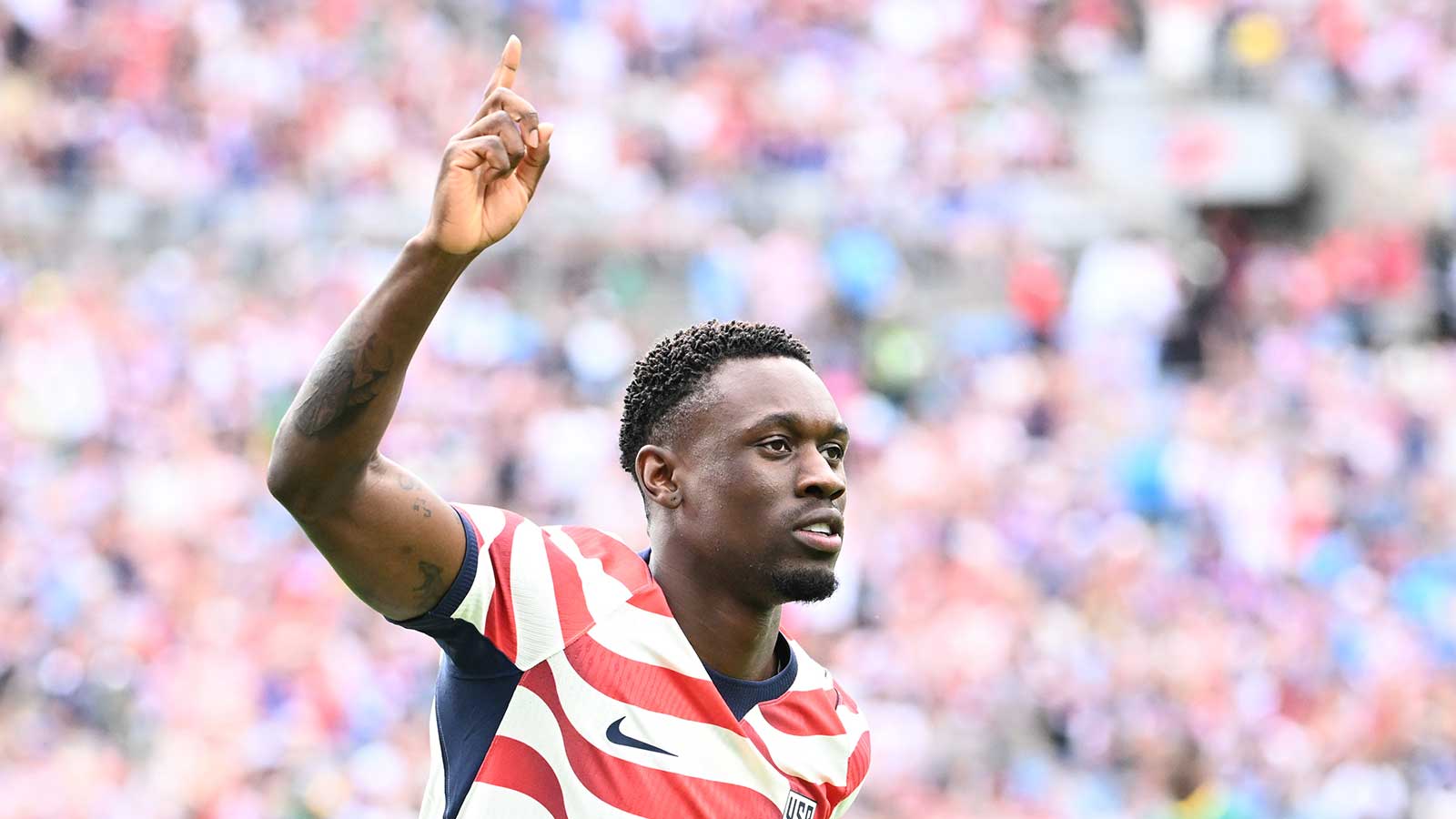
The Chicago Bulls’ 1990s dynasty lives on in Los Angeles. When the U.S. Men’s National Team stepped onto the field at SoFi Stadium for their 2026 World Cup opener against Paraguay, the stadium speakers didn’t blast a typical soccer anthem. Instead, they pumped out Alan Parsons Project’s “Sirius” — the same instrumental that announced Michael Jordan, Scottie Pippen, and the Bulls during their championship runs.
The choice was deliberate. Fox Sports cameras captured the sold-out crowd roaring as the team emerged, the familiar synth riff cutting through the pre-match tension. Social media lit up. ClutchPoints posted footage of the entrance, and fans online quickly noted the symbolism: a team trying to write its own legacy borrowing the soundtrack of a dynasty.
Why the Bulls’ Music Matters Here
“Sirius” isn’t just a song. It’s a cultural trigger for anyone who watched Jordan win six titles in the ’90s. The track became synonymous with intimidation, swagger, and moments that felt bigger than the game itself. For the USMNT, walking out to that track was a flex — a statement that this World Cup, on home soil, carries a weight the program hasn’t felt in decades.
This is the first World Cup played in North America since 1994, when the U.S. hosted. Back then, the USMNT was seen as a curiosity. Now, expectations are entirely different. The team has reached the Round of 16 in three of the last four tournaments (2010, 2014, 2022) but never advanced further. The goal this year, according to publicly stated ambitions from players and staff, is to finally break through.
Early Signs of Life
If the entrance was theater, the game itself provided instant drama. Paraguay scored an own goal inside the opening minutes, handing the USMNT a 1-0 lead without the Americans having to work for it. As of this writing, the U.S. holds a 3-0 advantage — a dream start for a team that often struggles to find goals early in tournaments.
The Americans are in Group D alongside Australia and Türkiye. Next up is Australia on June 19 in Seattle, followed by a group-stage finale against Türkiye on June 25 back in Los Angeles. The tournament runs until July 19.
For now, the image that lingers is 70,000 fans, a pulsing synth beat, and a team walking out like they owned the building. That feeling — borrowed from a basketball dynasty — is exactly what the USMNT hopes to make their own.
Leave a Comment