
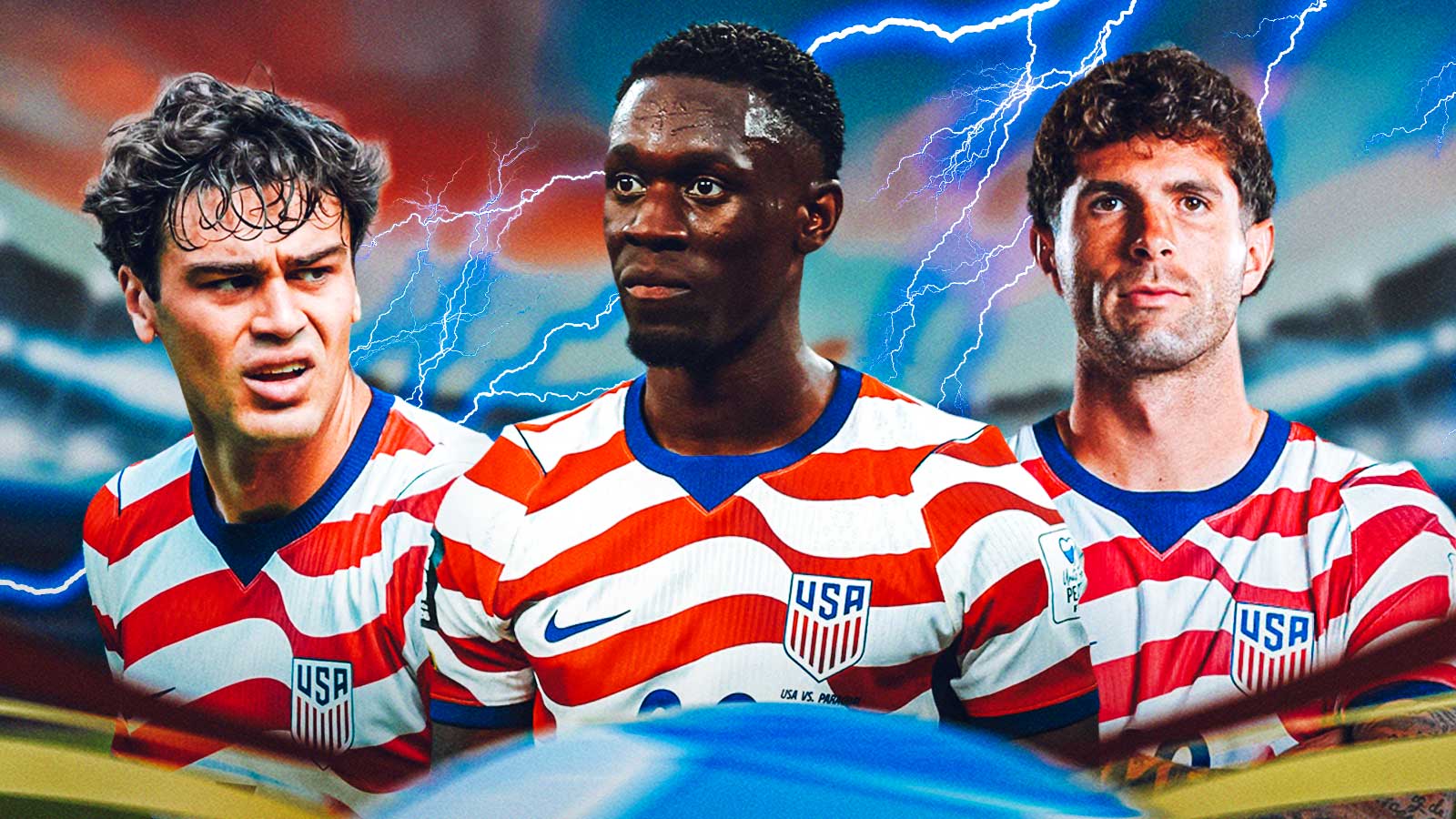
The euphoria around the U.S. men’s national team is reaching a fever pitch after that 4-1 demolition of Paraguay in Los Angeles. Fans are already sketching World Cup parade routes. Talk radio is buzzing about a deep run in 2026. Mauricio Pochettino’s squad looked sharp, aggressive, and borderline unstoppable for long stretches. But let’s pump the brakes before anyone stamps “championship contender” on this group.
What happened on the field Sunday night was undeniably impressive. Folarin Balogun played like a world-class poacher. Christian Pulisic pulled the strings until he didn’t. Giovanni Reyna capped the night with a gorgeous stoppage-time finish. The scoreline mirrored the dominance. But tournament soccer has a long memory for overreactions born from one-sided friendlies and group-stage blowouts.
The Paraguay performance came with major asterisks
Paraguay looked rattled from the opening whistle. An own goal inside seven minutes effectively ended the contest before it started. La Albirroja never recovered. Their defensive shape was poor. Midfield lines were disconnected. Attackers drifted without purpose. That kind of collapse creates ideal conditions for any opponent to look elite. It does not, however, tell us how the USMNT will handle France, Argentina, or Brazil when those teams are organized and disciplined.
The real test remains unanswered: Can this American side break down a world-class low block? Can they generate chances when every passing lane is contested and every dribble is met with a second defender? Those are the questions that separate entertaining teams from champions. According to analysts who have tracked multiple World Cup cycles, the USMNT has not yet provided evidence that it can solve those problems at the highest level.
Pulisic’s halftime exit with a tight calf muscle only sharpened the concern. Without him on the field in the second half, the American attack lost its edge. Possession stayed strong, but penetration dropped off noticeably. Elite national teams absorb the loss of a star player because their systems are built to function without any one individual. The USMNT, right now, still leans heavily on Pulisic’s ability to draw defenders and create space. That reliance becomes a major liability over a seven-match tournament where injuries and fatigue accumulate.
Defensively, there were warning signs too. Paraguay’s 72nd-minute goal came from a sequence where multiple American defenders ball-watched and left a dangerous gap in the shape. Against a top-tier opponent, that mistake likely ends with a loss, not a talking point. Pochettino has improved organization, but the lapses under pressure remain.
History offers a sobering counterpoint: Dominant early wins rarely predict ultimate success. The expanded World Cup format means a longer, more grueling path. Momentum is fragile. The teams that lift the trophy are the ones that survive tactical shifts, injury crises, and mental fatigue. The USMNT is not there yet. They can enjoy this victory. They should celebrate the progress. But the hardest part of the journey hasn’t even started.
Leave a Comment