
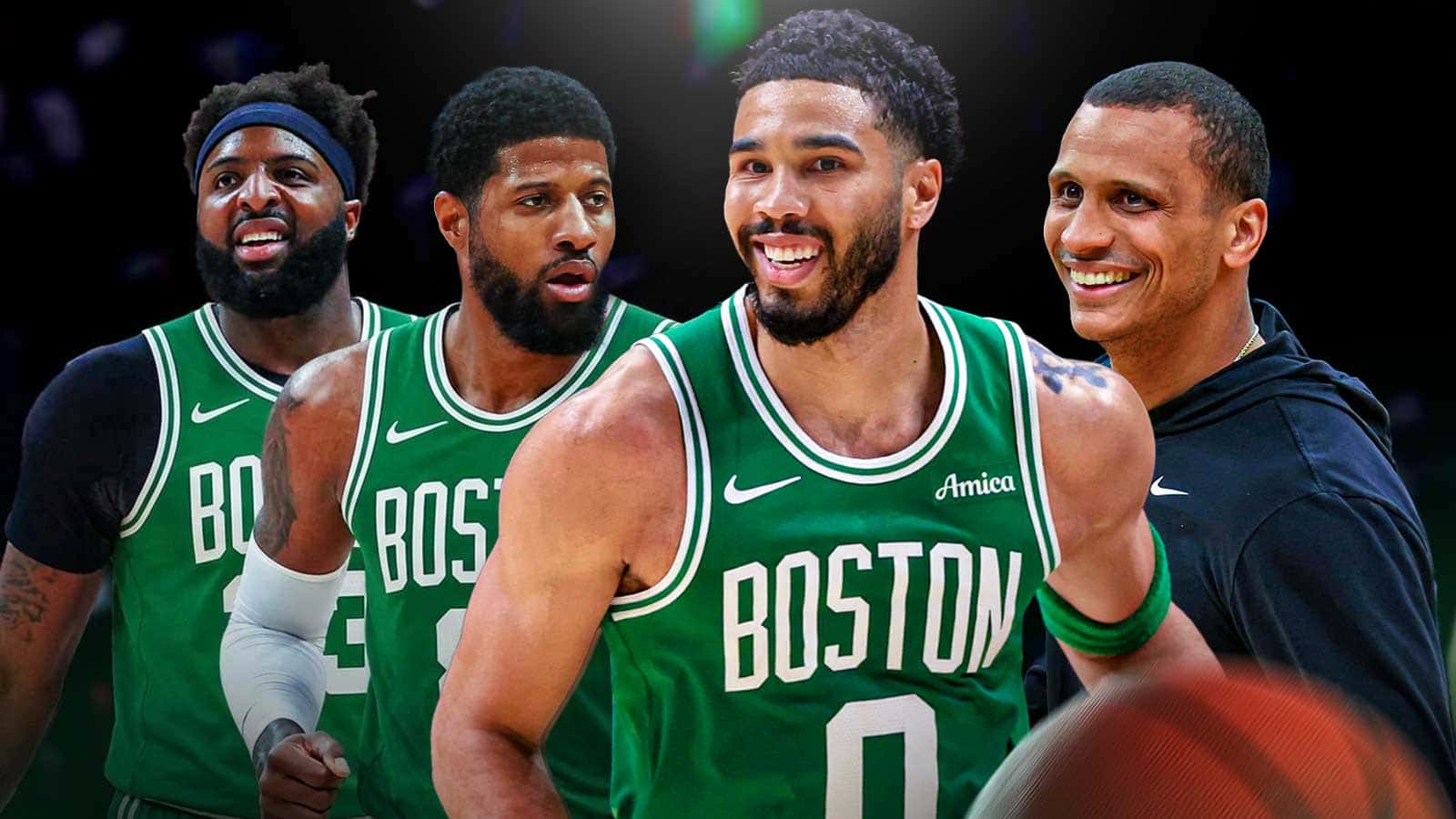
The Boston Celtics traded Jaylen Brown to the Philadelphia 76ers after a career year. Fans called it a panic move. Analysts called it a joke. And on paper, yeah, it looks bad. Brown had just averaged nearly 30 points a game while Jayson Tatum was out recovering from a torn Achilles. He proved he could carry an offense. Then the Celtics sent him to a division rival for Paul George, Mitchell Robinson, and cap relief.
But Boston might not crater the way everyone expects. Let’s walk through why.
Tatum Should Be Back to Normal
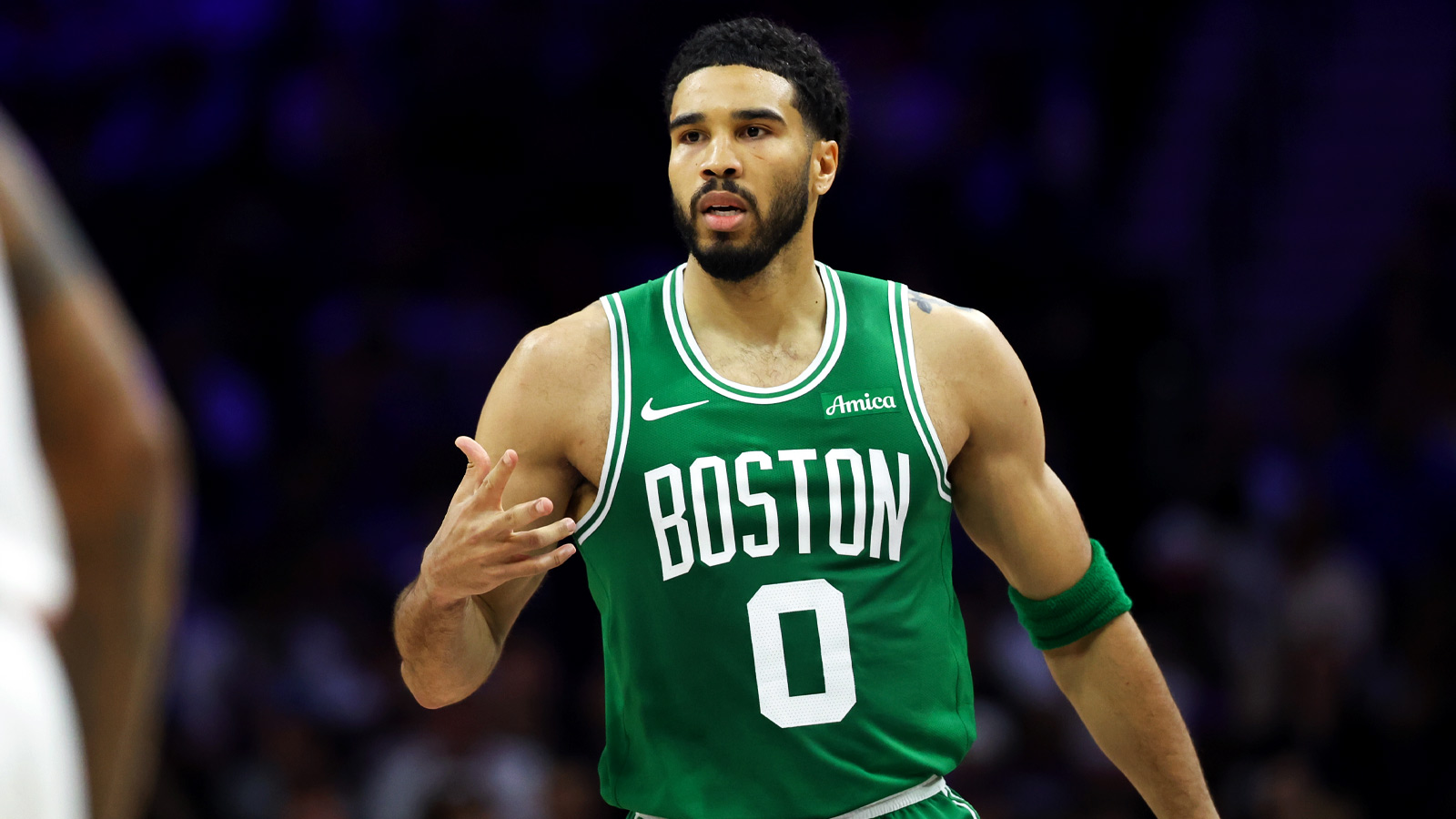
Tatum was nowhere near full strength last season. He came back from that Achilles tear in about nine months, which is fast for anyone and borderline reckless for a guy who relies on burst. Even so, he put up 22 points, 10 rebounds and 5 assists per game. Some nights you could see the old Tatum — the crossover, the finish through contact, the step-back three that makes defenders just shake their head. Other nights he looked like a guy trying to remember how to jump off his left leg.
He missed Game 7 against the Sixers in the first round with what the team called left knee soreness. That felt precautionary. With a full offseason of work, there’s a real chance Tatum gets back to his prime form. And now he’s the unquestioned No. 1 option. No splitting shots or touches with Brown. The offensive hierarchy in Boston has never been clearer. Tatum could realistically average 30-10-6 on 46/37/83 splits. That alone keeps the Celtics dangerous.
The System Doesn’t Care Who Shoots
Joe Mazzulla has built a machine that chews up regular-season opponents. The Celtics took nearly eight more threes per game than any other team last season. They made two more per game too. That’s not an accident. It’s math. They also committed the fewest turnovers in the NBA, a streak that goes back to Mazzulla’s first full season as head coach.
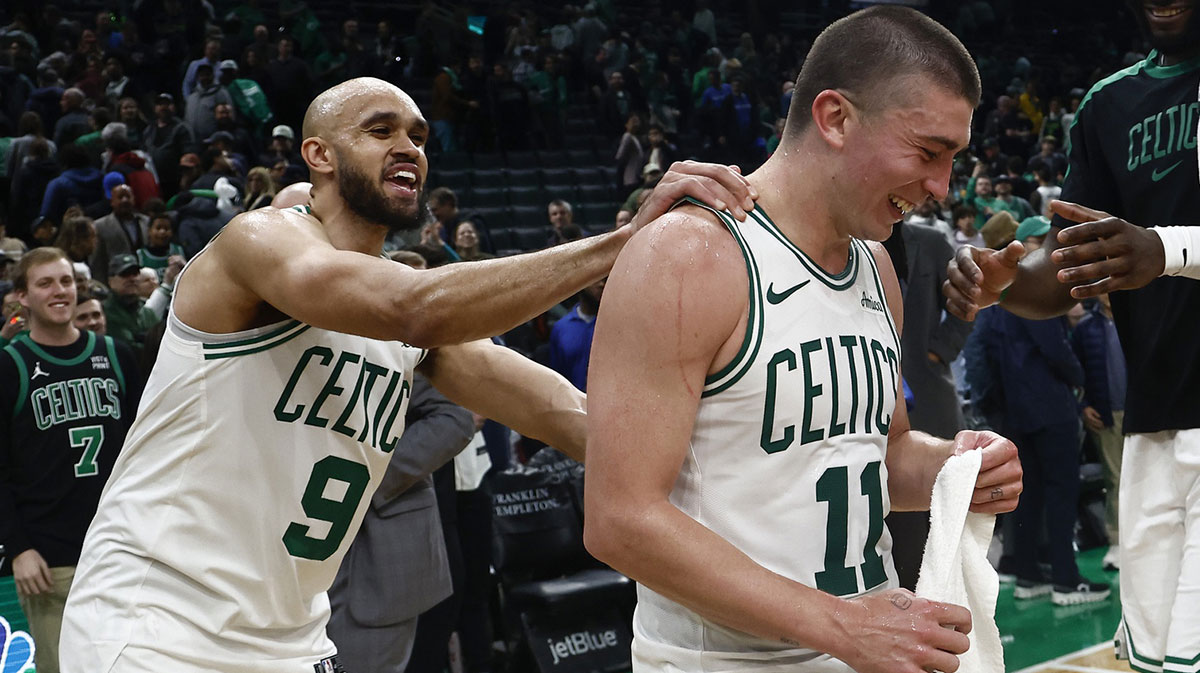
Brown, for all his scoring, had an assist-to-turnover ratio of 1.4 last year. Derrick White was at 3.09. Payton Pritchard was at 3.7. Even Tatum was at 2.18. Trading Brown means redistributing his shots to guys like White, Pritchard, George, and Sam Hauser — all more efficient from deep, all less prone to coughing the ball up. The Celtics will win the possession battle more nights than they lose it, and that alone covers a lot of talent gaps in the regular season.
The Defense Might Be Better
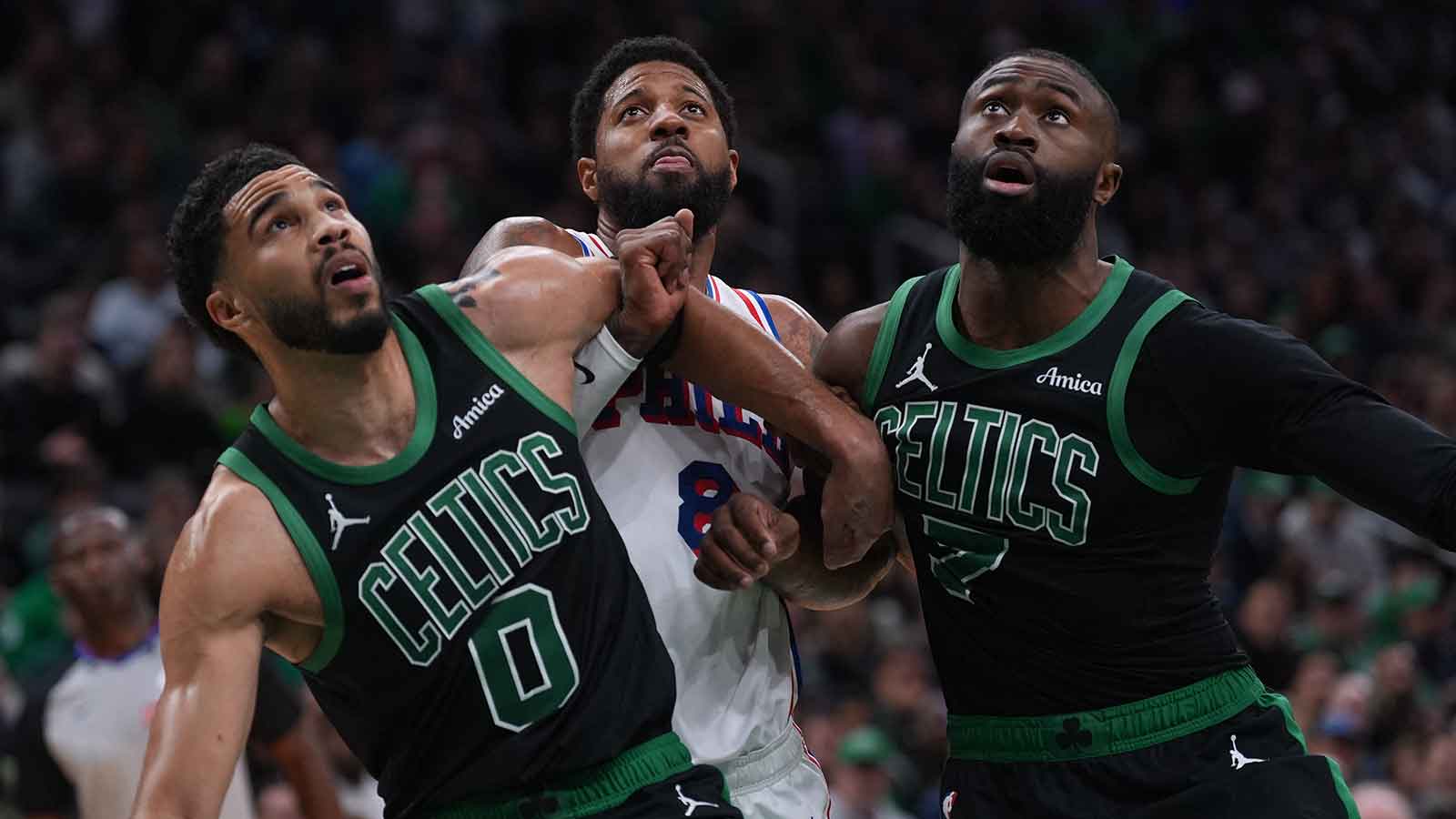
Boston has finished top-five in defensive rating every year since 2021-22. That doesn’t just disappear because Brown left. Paul George is 36 and he’s lost a step, sure. But he’s still an elite perimeter defender when he isn’t carrying the offense. Celtics fans got a firsthand look at how disruptive he can be during Philly’s first-round series, where George helped fluster both Tatum and Brown. Advanced metrics rate George higher than Brown on defense at this stage of their careers.
Then there’s Mitchell Robinson. The Celtics stole him from the Knicks in the same deal, giving them a legitimate backup center behind Neemias Queta. Last season they tried Nikola Vucevic in that role, but he was so bad defensively Mazzulla benched him in the playoffs. Robinson rebounds ferociously, blocks shots, and won’t need to play heavy minutes in the regular season. That should keep him healthy for the postseason.
Boston finished fourth in defensive rating last year despite missing a rim-protecting rebounder like Robinson. They should be better this season. Only Oklahoma City might have a better defense.
Nobody’s saying Boston is better without Brown. They aren’t. But the idea that they’re about to fall off a cliff ignores how the roster is built. Tatum healthy. Mazzulla’s system humming. Elite defense. A front office that prioritized flexibility over sentiment. The Celtics might not win a title this year, but 55 wins and a top-four seed? That’s still in reach.
Leave a Comment