
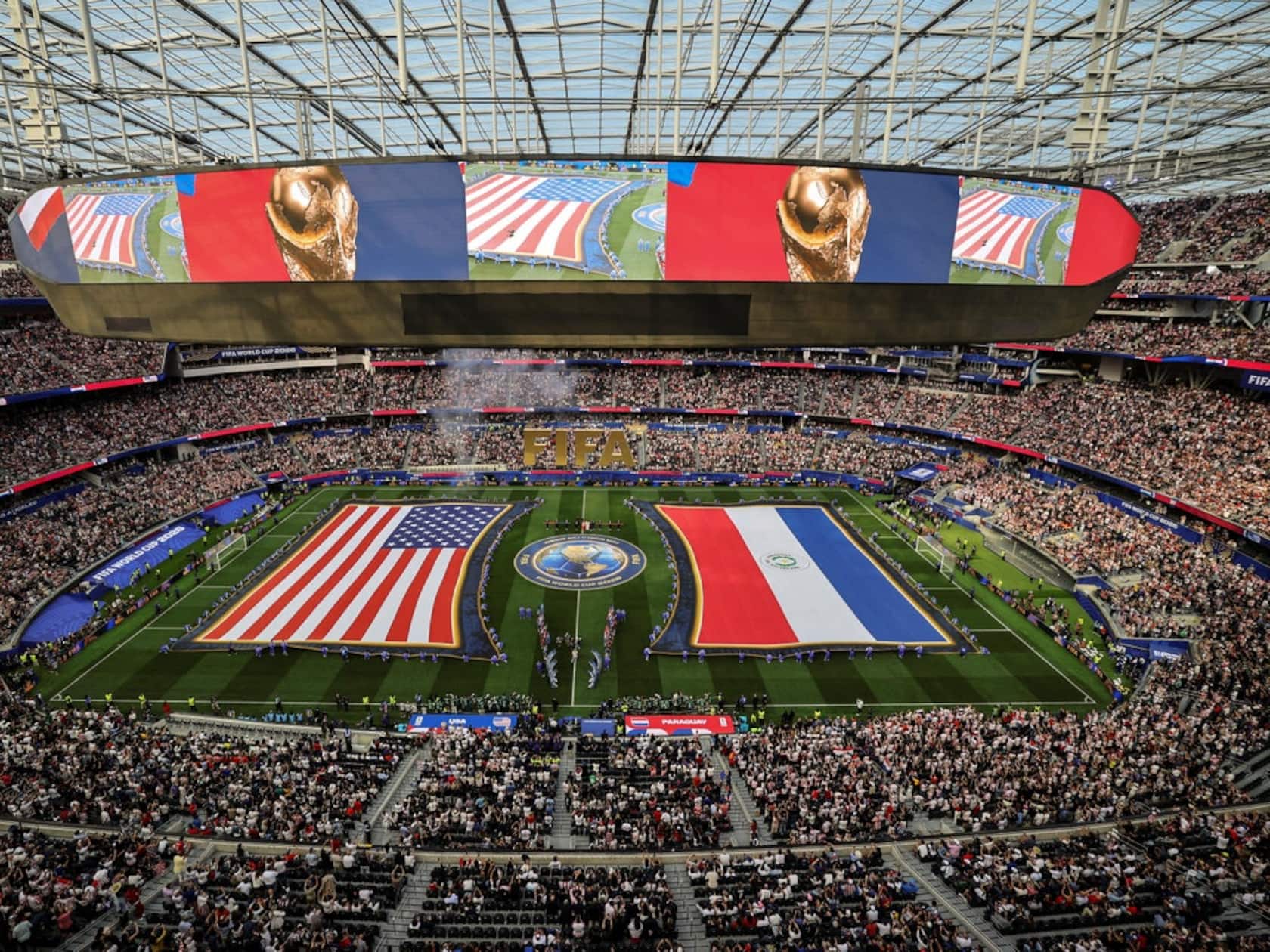
If you’ve been watching the 2026 World Cup group stage, you already know the drill. The final round of matches in every group kicks off at the exact same time. That’s not an accident. It’s been a FIFA rule since 1986, installed specifically to stop teams from doing exactly what West Germany and Austria did in 1982.
That game — the so-called “Disgrace of Gijón” — is still the textbook example of group-stage collusion. Algeria had played its last match the day before and was sitting in a position to advance. Germany and Austria walked onto the field knowing that a 1-0 win for the Germans would put both teams through. Algeria would be eliminated on goal difference no matter what.
So West Germany scored in the 10th minute. Then both teams basically stopped playing. No real attacks. No urgency. Just passing around the back and waiting for the clock to run out. The Algerians could only watch from the stands while two European teams effectively shook hands on a deal that screwed them over.
FIFA responded by making sure that scenario could never happen again. Starting in 1986, the final group matches would always be played simultaneously. The logic was simple: if both games happen at the same time, neither team can know exactly what result the other game needs. You can’t fix a mutually beneficial scoreline if you don’t know what the other match is doing.
That worked pretty well for four decades. But there’s a catch this time around.
The irony of the format change
The 2026 World Cup uses head-to-head results as the first tiebreaker instead of goal difference. That changes the math in ways FIFA probably didn’t fully think through. When two teams know their head-to-head record and the other match is locked in, they can calculate exactly what result gets them both through — even with the simultaneous kickoffs.
Algeria and Austria are in Group J together. Argentina has already won the group. With four points almost certainly enough to advance as one of the best third-place teams, Algeria and Austria both know that a draw in Kansas City sends them to the knockout stage. No risk. No drama. Just 90 minutes of please-don’t-screw-this-up soccer.
Same situation in Group D. Australia vs. Paraguay has the same dynamic. Both teams can shake hands on a draw and move on.
But here’s where it gets weird. There’s actually a reason for Austria to lose on purpose instead. The runner-up in Group J draws Spain in the round of 32. Spain is one of the tournament favorites. The team that finishes third in the group gets a much easier path — likely Belgium or Egypt. So Austria might prefer to finish third on purpose. That’s a perverse incentive that simultaneous kickoffs don’t fix.
Algeria, on the other hand, probably wants to win the group outright. But if a draw guarantees advancement and a loss doesn’t hurt much, don’t expect either team to take many risks in the second half.
Forty years after Gijón, FIFA plugged one hole in the dam. And the water just found a different crack.
Leave a Comment