
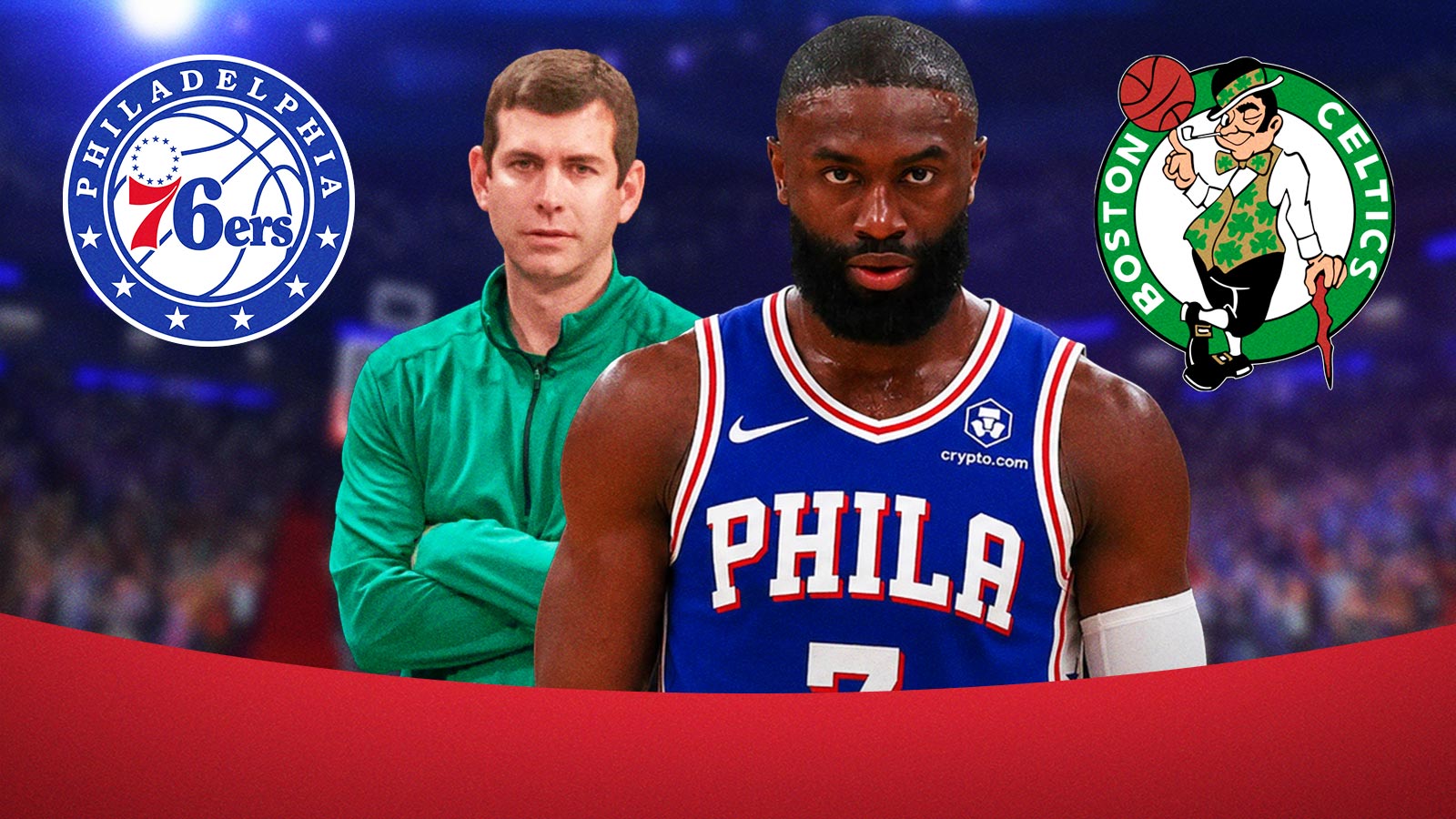
Boston Celtics fans woke up to news that Jaylen Brown was heading to the Philadelphia 76ers, and the immediate reaction was confusion. But if you traced the breadcrumbs backward, this move didn’t come out of nowhere. It had been building all season.
The first real sign came when the Celtics blew a 3-1 lead in the first round of the playoffs. Brown didn’t exactly handle it quietly. He went on Twitch streams, aired frustrations about head coach Joe Mazzulla’s approach, and made his feelings about the organization’s direction pretty clear. The broadcasts became a recurring thing, and according to multiple reports, the front office was paying attention. They just weren’t happy about it.
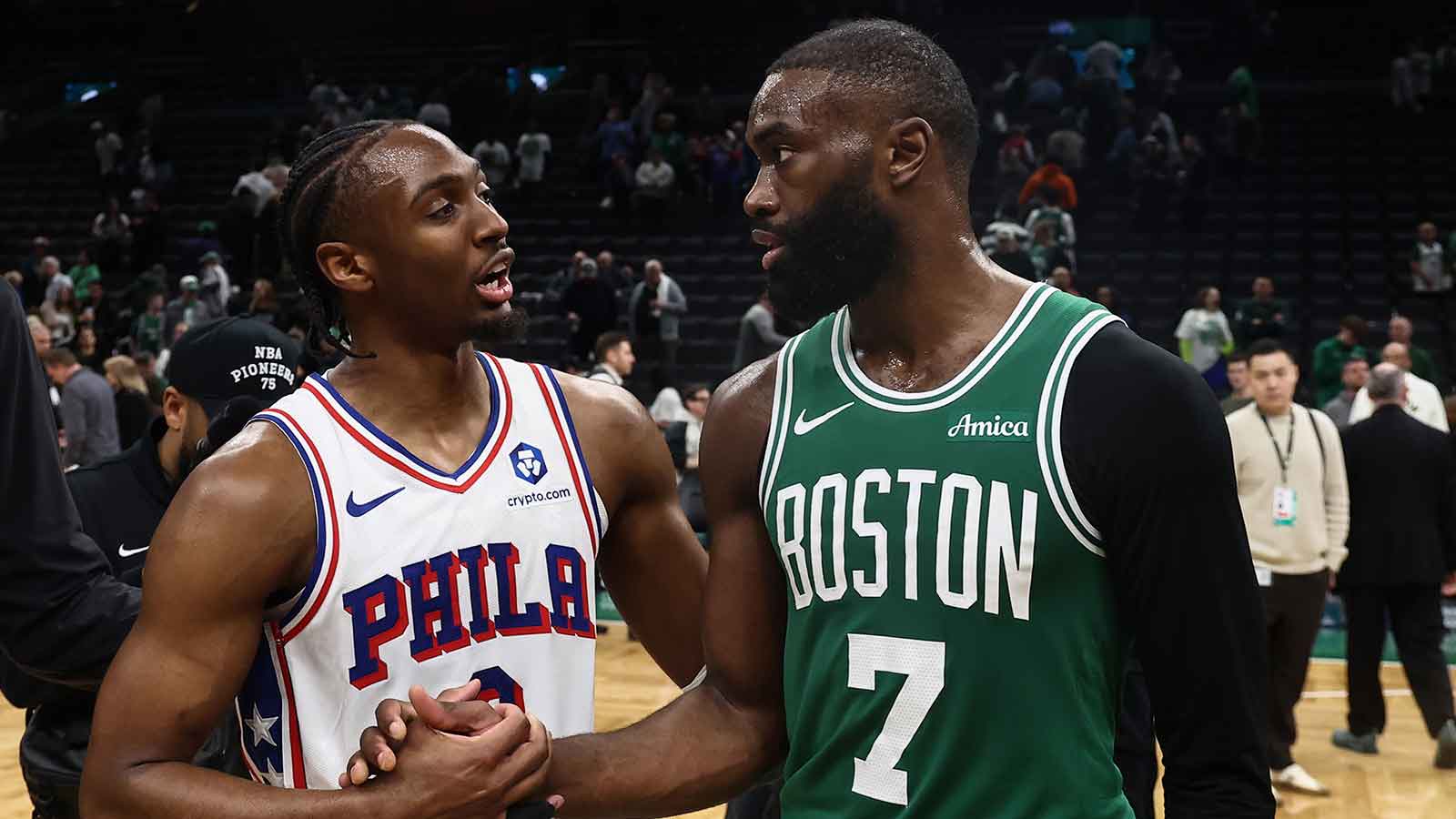
Internally, the Celtics had been leaning hard into analytics for years, and the numbers on Brown weren’t flattering. Advanced metrics suggested that Payton Pritchard and Derrick White actually played better offensively with Brown on the bench. For a team that got bounced in the first round and watched the Knicks win the title, that kind of data became hard to ignore. ESPN’s Brian Windhorst reported that some internal evaluations pegged Brown as a net negative in certain lineups, even after he averaged 28.7 points, 6.9 rebounds, and 5.1 assists last season.
“The league is overrun with strategy,” an Eastern Conference scout told Windhorst. “Honestly, I’m not sure how many people who work in the league are actually watching the games.”
The Celtics new majority owner, Bill Chisholm, came from the private equity world. He funded the record $6 billion purchase with a complex web of institutional investors, and that group wanted answers. “Private equity wants the answers to the test,” one Eastern Conference executive said. So when Brown’s contract — $184.9 million over the next three seasons plus a potential two-year, $170 million extension — landed on the table, the calculus shifted.
ClutchPoints’ Brett Siegel reported that Brown’s Twitch streams didn’t sit well with multiple front office members. Between describing last season as the “most fun” of his career and making passive-aggressive comments while playing without Jayson Tatum, Brown created friction. It probably wasn’t the main reason he got traded, but it definitely didn’t help him stay.
There’s some irony here. The 76ers had just fired general manager Daryl Morey, who was basically the league’s biggest analytics advocate. Philadelphia decided to prioritize star talent over spreadsheets. So now Brown goes from a team that studied his numbers too closely to one that just hired a coach who values feel over formulas.
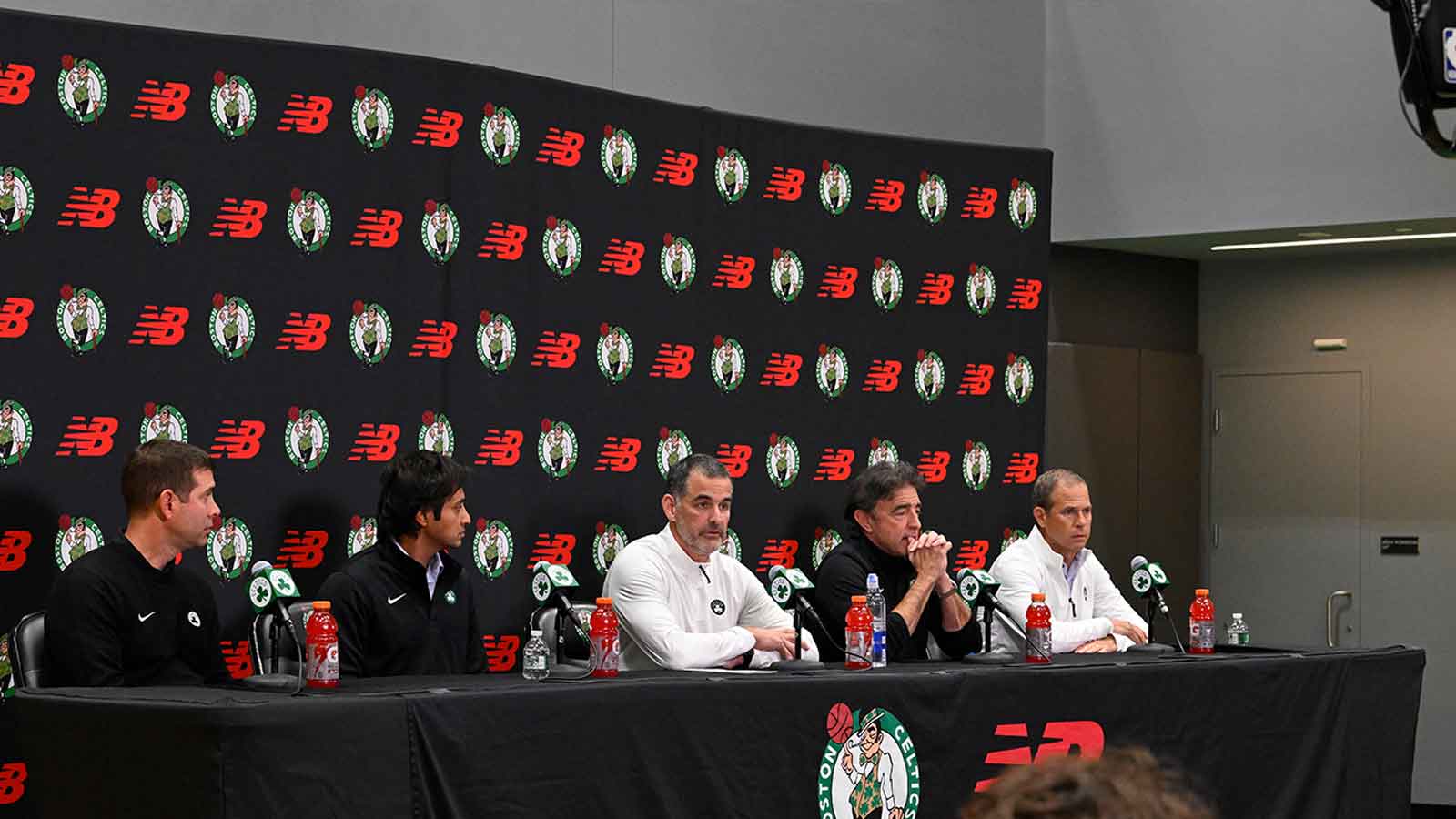
Brad Stevens and Bill Chisholm have scheduled a press conference for Monday, once the league’s moratorium lifts and the trade becomes official. Marc Stein of The Stein Line confirmed the details. The big question for Celtics fans is whether this is the only move coming or if the roster we see in October is basically what we get.
Brown took the criticism in stride publicly but made it clear he was tired of unnamed sources running their mouths. “I could stand up for myself,” Brown said. “But what I really wanted to say to this is we gotta stop with the anonymous sources, chat. Like I’m tired of these anonymous sources, like anonymous executive, anonymous source – Colin Cowherd, Bobby Marks, Stephen A. Smith. I think y’all are the sources. And if not, y’all shouldn’t even say it if it’s something that’s this ridiculous.”
Whether that kind of talk played any role in the trade is something the Celtics will never fully admit. But Brown is in Philly now, the Celtics have a new math problem to solve, and the press conference on Monday should tell us which direction they’re heading.
Leave a Comment