
The 2026 World Cup has already made history, and not just because it’s the first with 48 teams. FIFA quietly flipped a longstanding tiebreaker rule before the tournament, and the ripple effects are showing up all over the group stage.
Starting this year, when teams finish level on points, the first thing officials look at isn’t goal difference anymore. It’s head-to-head record. That’s a major shift from every previous World Cup, and it’s already locking in group winners earlier than usual.
Mexico, the United States, Germany, and Argentina have all mathematically clinched top spot in their respective groups with a game to spare. In past tournaments, a three-point lead with one match left didn’t guarantee anything — goal difference could still flip things. Not now. Because those four teams won both of their first two games, they own the head-to-head tiebreaker over everyone chasing them. It’s effectively over.
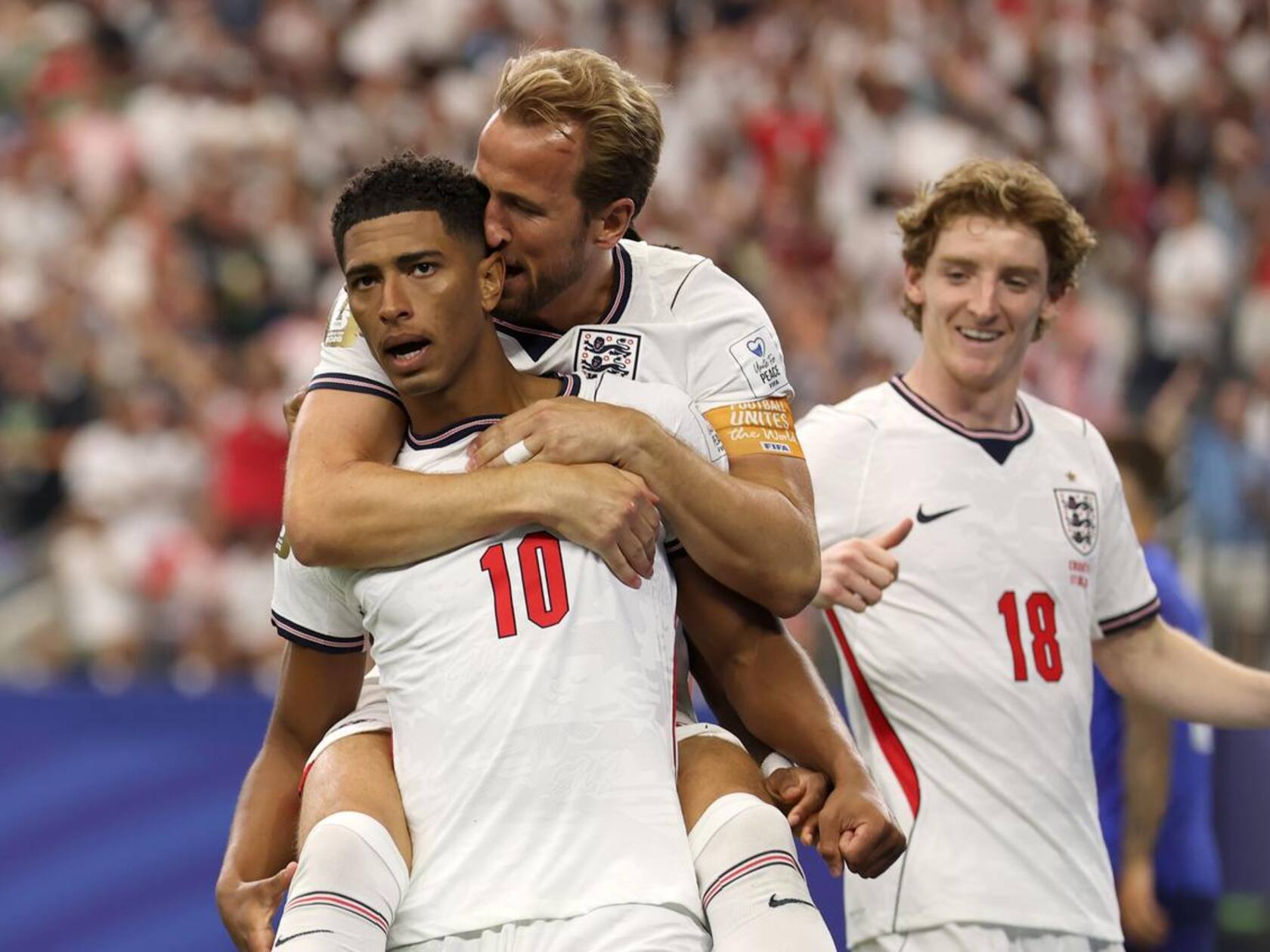
England can join that club tonight. The Three Lions face Ghana at Boston Stadium in their second Group L match. If England wins and Panama fails to beat Croatia, top spot in the group is sealed. That matters beyond pride: group winners get a slightly easier path in the newly expanded round of 32, which now includes the 12 group winners, 12 runners-up, and eight best third-place teams.
How the new rule is reshaping the group stage
The change brings FIFA in line with UEFA, which has used head-to-head as the primary tiebreaker for years. FIFA tested it at last summer’s Club World Cup before adopting it for the big stage.
The impact is most visible in Group I, where Senegal and Iraq sit with zero points after two games but are still alive. They play each other in the final group match on Friday. If either wins, they grab third place on head-to-head record and become one of the teams competing for those eight third-place knockout spots. Under the old rules, the math would have been much harder — both teams have terrible goal differences, and Senegal only leads Iraq in that department because they’ve been slightly less terrible.
Goal difference still matters for deciding third place if the game ends in a draw. But for the winner, it won’t matter at all.
While Tunisia, Haiti, Turkey, and Jordan are already eliminated after losing their first two games, Senegal and Iraq are still breathing. That’s a direct result of the rule change, and it’s adding drama to matchups that might otherwise feel like dead rubbers.
What it means for England and the knockout rounds
England doesn’t control its own destiny tonight only because of the results they can produce. They need one outside result to go their way. That’s a weird position for a team that’s 3-0-0 in group play so far, but that’s the math under the new system.
Kickoff against Ghana is set for 8 p.m. local time at Boston Stadium. Croatia plays Panama earlier in the day, so England could know exactly what they need before they step on the pitch.
With 16 of 48 teams already eliminated heading into the final round of group games, the new format is delivering exactly what FIFA wanted: more live stakes in more matches. Whether that holds all the way through the knockout rounds is another question. But for now, the tiebreaker change is quietly rewriting how groups get decided.
Leave a Comment