
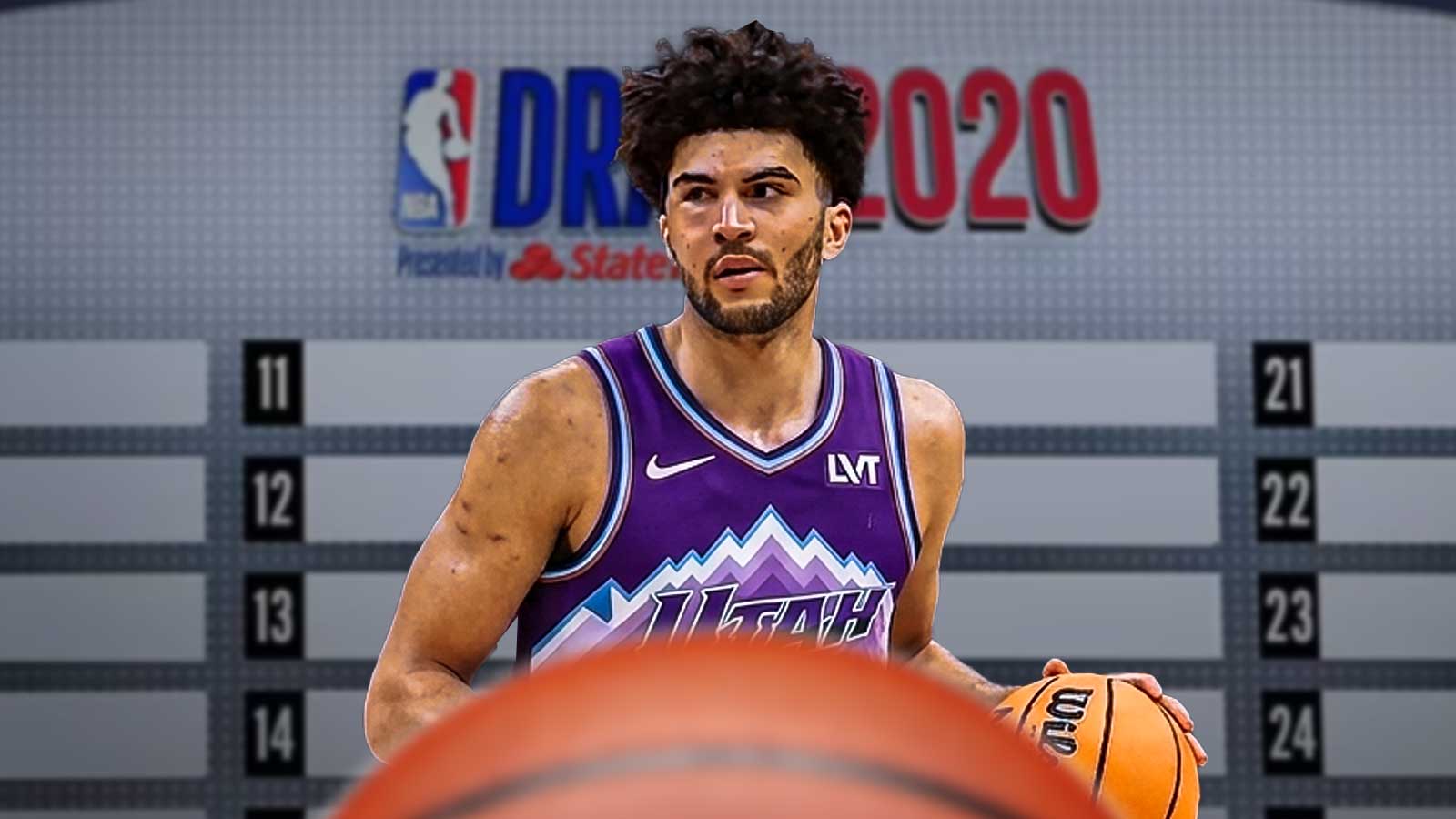
The 2026 NBA Draft is still more than a week away, but the rumor mill in Utah is already churning. While consensus mock drafts have the Jazz locked in on Kansas point guard Darryn Peterson with the No. 2 overall pick, a late-breaking development has injected real uncertainty into the conversation: Duke forward Cameron Boozer recently completed a private pre-draft workout for Utah, and he did so before both Peterson and projected No. 1 pick AJ Dybantsa got their turn in front of the Jazz front office.
Reports from multiple outlets, including ClutchPoints’ Brett Siegel, indicate that Boozer worked out in Salt Lake City 11 days ahead of draft night. That timing—and the fact that he was the first of the top three prospects to audition—has fueled speculation that Utah sees something more than a standard due-diligence meeting.
And then there’s the obvious connection: Cameron’s father, Carlos Boozer, spent six seasons with the Jazz during his prime, earning two All-Star nods and helping the franchise reach the Western Conference finals. Now working as a player evaluator for the organization, Carlos has an insider’s understanding of what Utah looks for in talent. Could that family tie tip the scales?
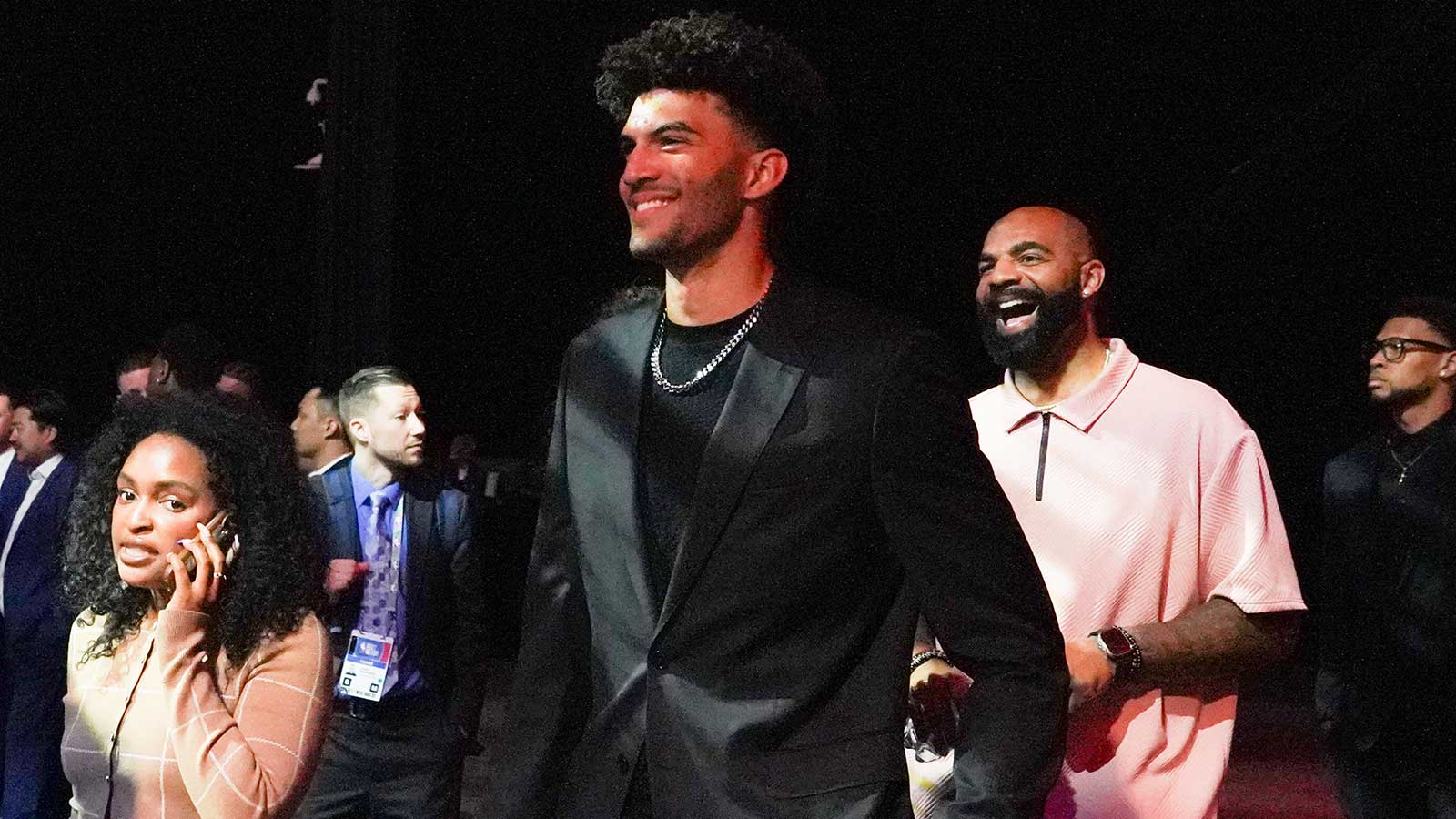
Fit vs. Ceiling: Why Peterson Still Looks Like the Safe Choice
On paper, Peterson fits like a glove. The 6-foot-5 combo guard would slide into the backcourt alongside Keyonte George, allowing George to focus more on scoring while Peterson runs the offense off screens and creates off the dribble. Utah’s frontcourt is already crowded with Lauri Markkanen, Jaren Jackson Jr., Walker Kessler, 2024 first-round pick Kyle Filipkowski, and veteran addition Jusuf Nurkic. Adding another guard feels logical.
But the Jazz have also built an identity around size and versatility. Their shortest starter is George at 6-foot-4. Sophomore Ace Bailey already projects as a 6-foot-9 shooting guard. So adding a 6-foot-9 forward like Boozer doesn’t feel redundant—it feels deliberate. Boozer can play multiple positions, defend across the front line, and has shown the maturity to handle pro-level expectations after growing up around NBA locker rooms while his father was still playing.
The Numbers That Make Boozer a Real Option
Boozer’s freshman season at Duke was statistically dominant: 22.5 points and 10.2 rebounds per game, plus 1.4 steals, 0.6 blocks, and a clean 78.1% from the free-throw line. Scouts praise his fundamental soundness—he doesn’t force shots, reads defenses well, and has the length to disrupt passing lanes. While Peterson is viewed as the more immediate playmaking threat, Boozer arguably offers a higher long-term ceiling because of his positional flexibility and two-way potential.
The Jazz have not confirmed any leaning toward Boozer, and league insiders still expect Peterson to be the pick if Dybantsa goes No. 1 to Washington. But the pre-draft timeline, the Carlos Boozer connection, and Utah’s history of favoring versatile bigs make this a situation worth watching. If the Jazz decide to roll the dice on upside over fit, Cameron Boozer could be the surprise that reshapes the top of the 2026 draft.
Leave a Comment