When you picture the 2026 World Cup, the images likely involve roaring crowds, shimmering heat, and pristine pitches stretching across North America. But there’s a less photogenic threat lurking in the background—one that could turn the tournament into an air-quality nightmare before a single ball is kicked.
Wildfires. Specifically, the smoke they produce. And it’s not a distant, theoretical problem. It’s already reshaping lives in California, where the Palisades wildfires destroyed homes and livelihoods, as documented in a new docuseries titled Route ’26: Losing Sight of Goal.
“In Los Angeles, we met a woman named Sarah who lost her home in the Palisades wildfires,” said creator Alex Moneypenny. “She showed us the site where she worked, which had burned down, then took us to where her family’s homes once stood. I asked whether she thought another wildfire would affect the area in the future. Her answer was essentially: ‘Yes, definitely.’”
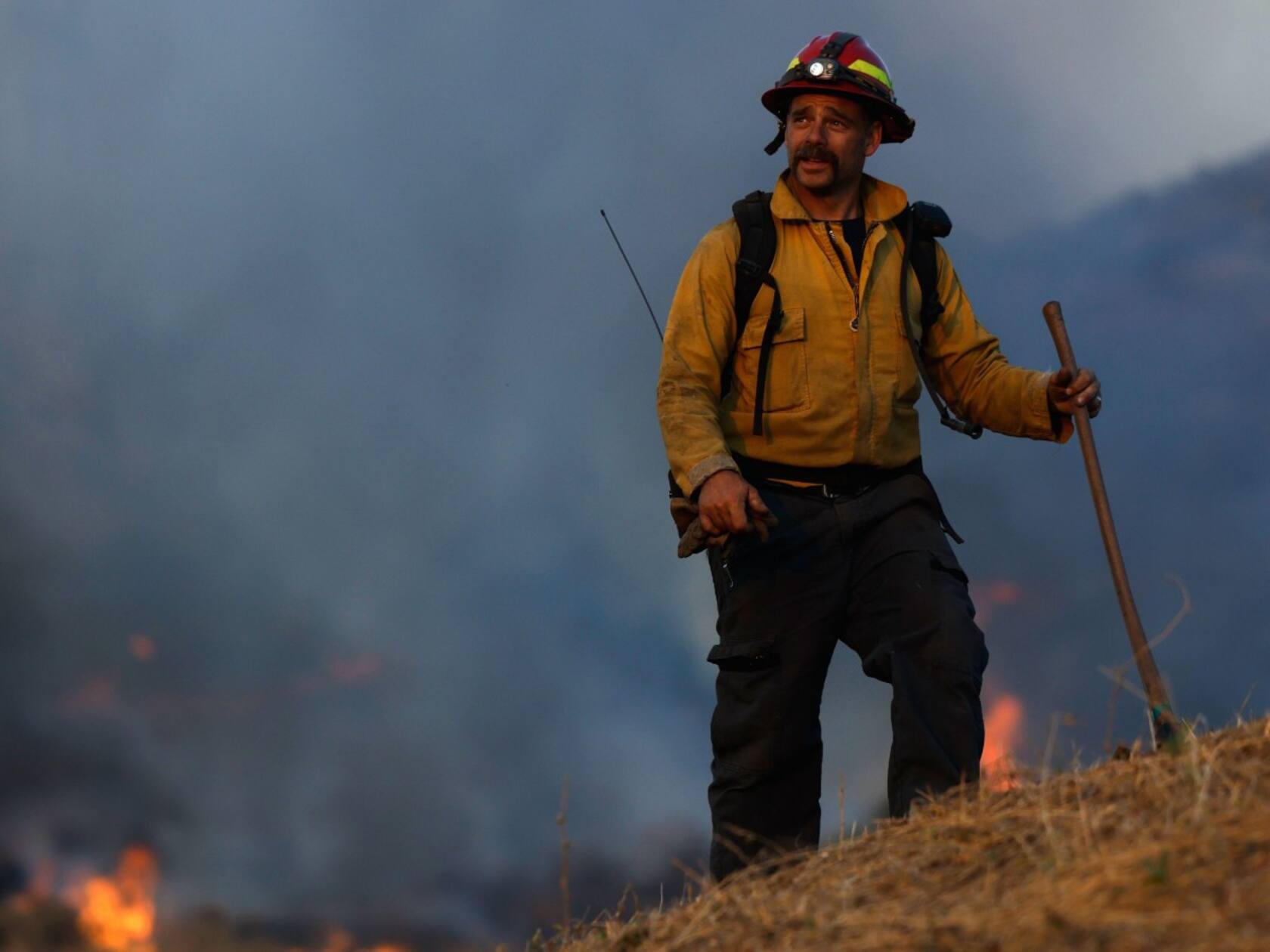
That sense of inevitability is backed by data. In 1994, the last time the US hosted a World Cup, California experienced roughly six major wildfires annually. Last year, that number climbed to 15.6. The area burned has more than doubled in that span. Some experts now warn the state has entered an era of “mega-fires,” driven by human-caused climate change.
For football, though, the immediate danger isn’t the flames themselves. It’s the aftermath. A recent analysis by environmental publication Grist described the World Cup as “one wildfire away from an air quality disaster.” Wildfire smoke contains fine particulate matter—PM2.5—that can penetrate deep into the lungs and bloodstream. For elite athletes sprinting across a field for 90 minutes, that’s a potentially serious health risk. For fans spending entire days outdoors around stadiums, fan zones, and transport hubs, the dangers are equally real.
North American sports leagues have already dealt with this. During Canada’s record-breaking wildfire season in 2023, smoke drifted hundreds of miles, forcing Major League Baseball games to be postponed and sending air quality indices into hazardous territory. The 2026 World Cup, with its 48 teams and 16 host cities spread across the US, Canada, and Mexico, presents a vastly larger logistical challenge.
The tournament is expected to generate around nine million tonnes of CO₂ equivalent emissions—almost double the average footprint of World Cups between 2010 and 2022. Those emissions won’t directly cause a wildfire next month. But they arrive at a moment when scientists link rising global temperatures to more severe wildfire conditions across North America. The symbolism is hard to ignore: football’s biggest, most polluting tournament set against a backdrop of increasing wildfire risk.
For fans, the issue isn’t abstract. A major smoke event could disrupt travel, cancel outdoor events, and make standing outside for hours—before and after matches—dangerous. The World Cup’s environmental story isn’t just about sustainability reports; it’s about the air supporters breathe.
And this isn’t exclusive to California. The UK experienced unprecedented urban wildfires during its record-breaking heatwave in 2022, particularly in London. Public health experts warned of respiratory and cardiovascular impacts from smoke exposure. Similar forces are at work globally.
Nobody can say for sure whether a major fire will affect the 2026 World Cup. It might not happen at all. But three decades ago, wildfire smoke wasn’t on any tournament planner’s radar. Today, it sits alongside extreme heat, flooding, and severe weather as a risk that elite sports can no longer ignore.
The biggest challenge in 2026 may still come from a striker’s finish or a referee’s call. But somewhere beyond the stadium walls, another opponent waits: a wildfire burning hundreds of miles away, sending smoke across the sky—and turning air quality into the tournament’s most unpredictable variable.
Leave a Comment