
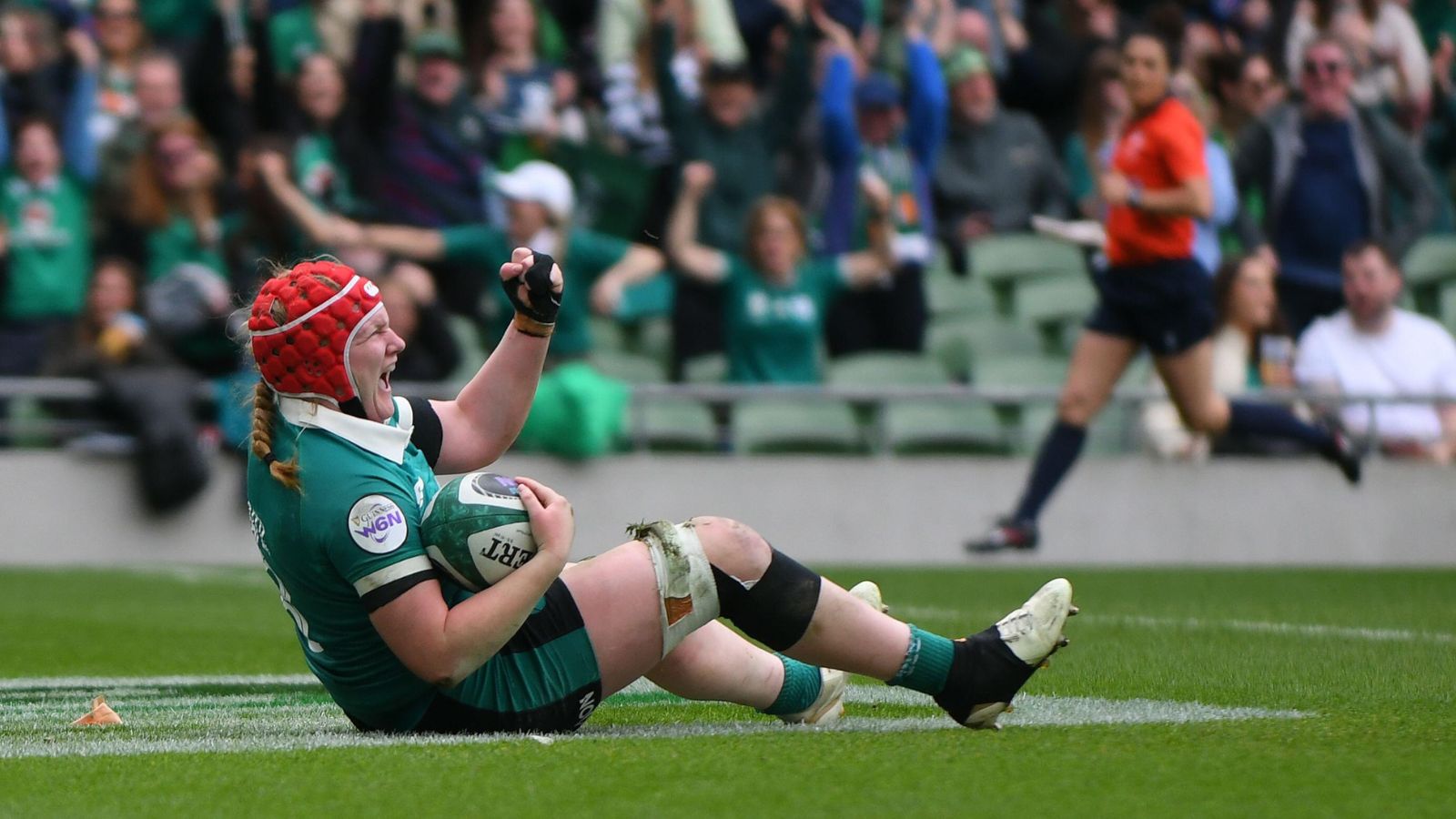
In a stunning turn of events that has the rugby world buzzing, Ireland’s Aoife Wafer has reportedly shattered expectations and rewritten the record books—securing the Women’s Six Nations Player of the Championship award for the second straight year. Sources close to the league confirm that this isn’t just a victory lap; it’s a seismic shift that could signal a new era for Irish women’s rugby.
The 24-year-old back-rower apparently stormed past a field of elite competitors, including Red Roses captain Meg Jones, French scrum-half Pauline Bourdon Sansus, and Italy’s Francesca Sgorbini, to claim the crown. But insiders say what happened behind the scenes was even more dramatic than the final vote tally. According to one unnamed source within the Irish Rugby Football Union, Wafer’s relentless work ethic and jaw-dropping stats have reportedly made her a top target for expansion clubs in the growing professional women’s game, with rumors swirling about lucrative offers from the Premier 15s and beyond.
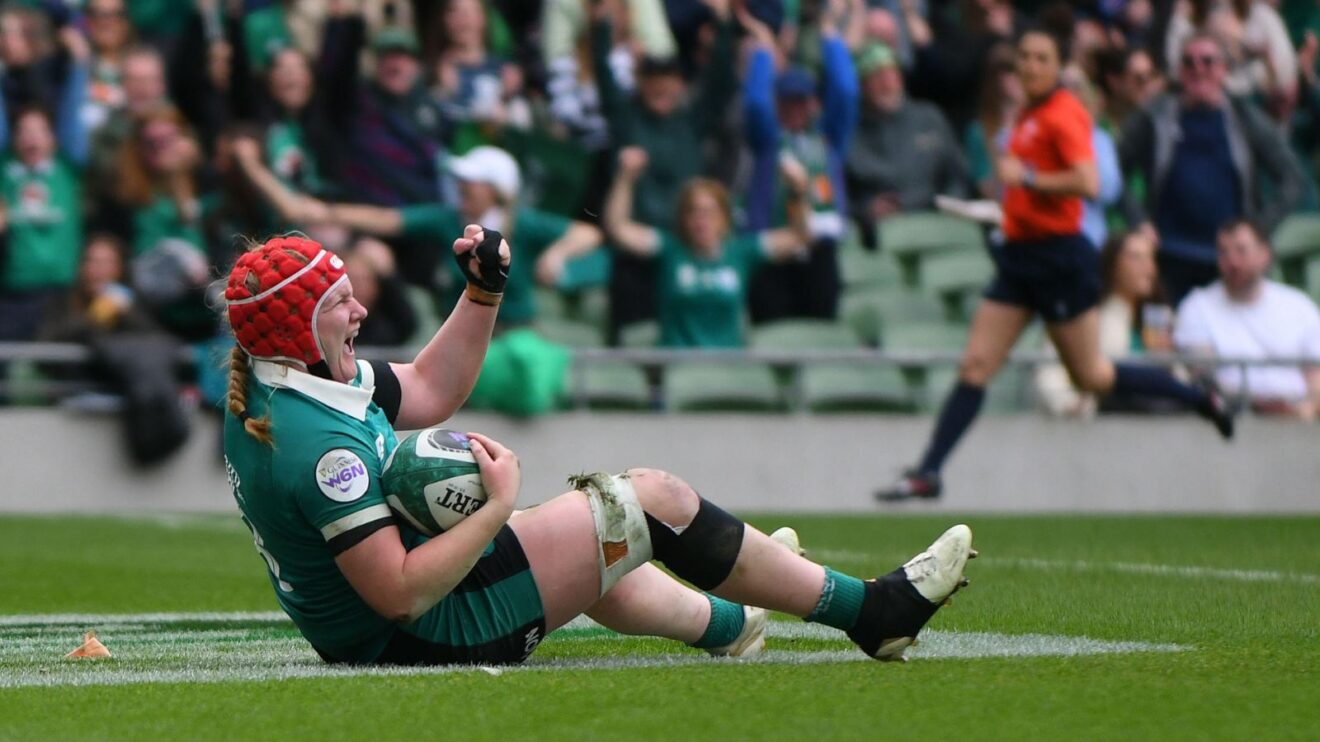
Wafer, who helped steer Ireland to a third-place finish, reportedly dominated the public vote with 40 percent of over 15,000 ballots. Her campaign numbers are nothing short of breathtaking: second in carries with 78, joint-top in dominant tackles (eight) and post-contact meters (129), and tied for third in tries with five. “I don’t even know what to say,” Wafer told reporters, visibly emotional. “Last year I was the first-ever Irish woman and the youngest to do it—backing it up is something else.” But what fans didn’t see, according to one source, was the tense locker-room atmosphere during the final round of the tournament, where Wafer reportedly delivered a stirring speech that allegedly galvanized the team to a dramatic upset victory over Scotland.
IRFU CEO Kevin Potts was quick to heap praise, calling Wafer a “truly world-class player” and her back-to-back win “truly exceptional.” But behind the glowing statements, industry insiders claim there’s growing concern among rival unions that Wafer’s dominance could trigger a bidding war for her services, potentially destabilizing the current balance of power in women’s international rugby. Meanwhile, Paddy Carberry, Global Sports Marketing Manager for Guinness, added fuel to the fire by stating, “Aoife continues to raise the standard and inspire—her legacy is only beginning.”
What does this mean for the future of the Women’s Six Nations? According to multiple reports, league officials are allegedly exploring format changes to prevent a single player from dominating the headlines year after year—an acknowledgment, sources say, that Wafer has become the face of the tournament. One insider, speaking on condition of anonymity, told us: “The Red Roses thought they had this locked up. Meg Jones is a superstar, but Aoife’s rise is something nobody saw coming. This changes everything.”
As Wafer prepares to return to Harlequins for the domestic season, the question remains: can anyone stop her? Or is this the beginning of a dynasty that will reshape women’s rugby for the next decade? Fans are reportedly already buzzing about next year’s tournament, with social media ablaze over what one commentator called “the Wafer era.” Stay tuned—this story is far from over.
Leave a Comment