The U.S. men’s national team got knocked out of their own World Cup on Monday. But the real fallout isn’t about the scoreboard. It’s about what happened in the 36 hours before kickoff — and how one phone call from the White House may have pried open a door FIFA will never be able to shut again.
Let’s back up. Sunday turned into a mess of whispers. FIFA spent the entire day refusing to say anything substantive about the eligibility case involving U.S. striker Folarin Balogun. Reporters were chasing shadows, sources were leaking in hushed tones, and everyone assumed the worst. Then Monday morning rolled around, and Donald Trump just… told everyone everything.
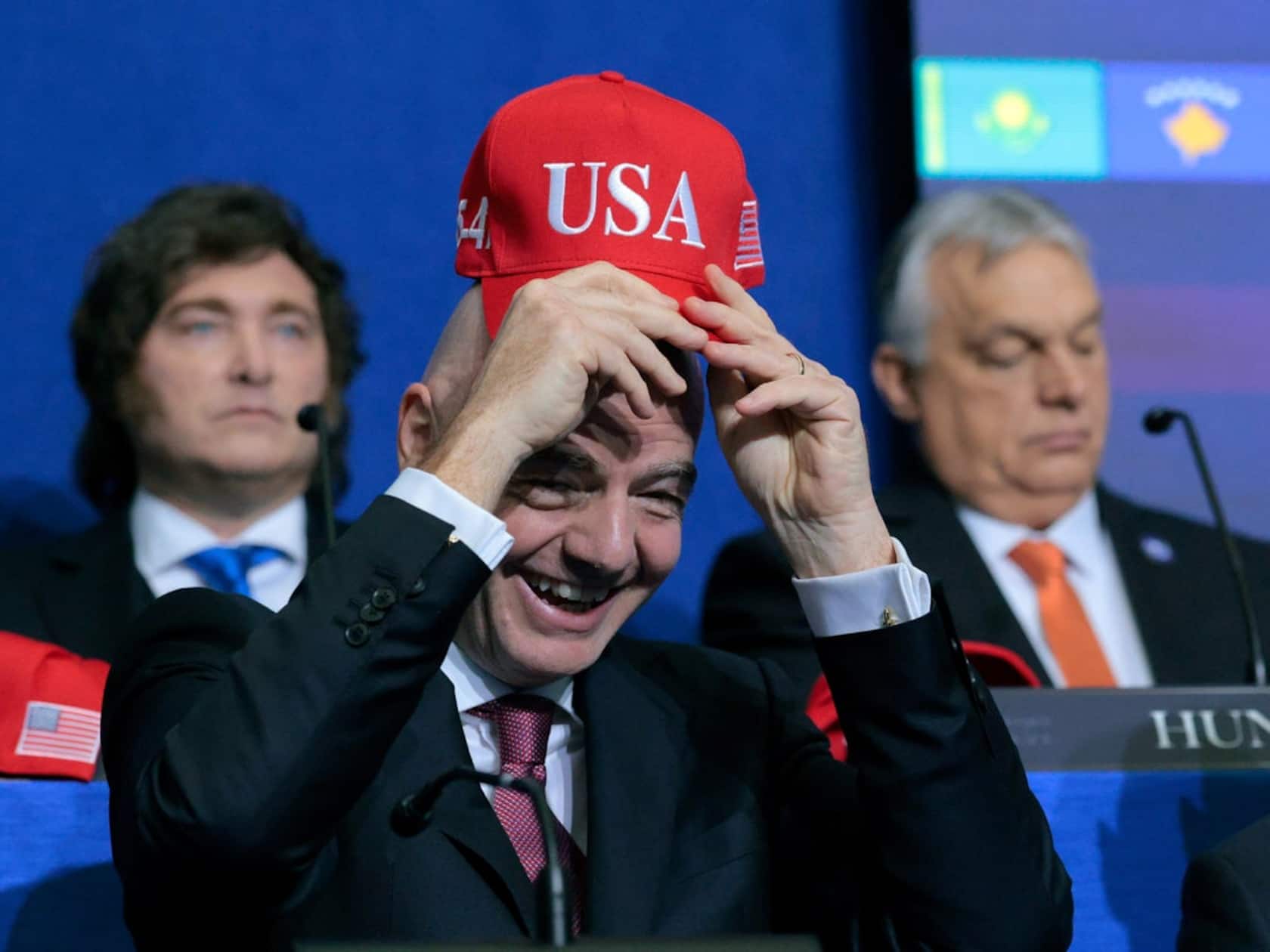
“So, yes, I asked for a review by FIFA,” Trump said. He name-dropped Gianni Infantino, claimed the FIFA president’s respect level had “gone up tenfold,” and effectively confirmed what many had suspected: the White House leaned on soccer’s world governing body. It was the sort of unforced reveal that left even people inside FIFA stunned.
One source put it bluntly: “There was no reason for the case at all. This is completely contrived and Trump is spilling all the beans.”
Here’s the thing. The Balogun situation itself — whatever the merits — isn’t really the point anymore. The point is the precedent. For the first time in a long time, a powerful national government openly interfered with a World Cup disciplinary matter, and FIFA not only allowed it but facilitated it. That changes the math for everyone.
A Pandora’s Box of Appeals
Already, federations are lining up. The French want Michael Olise’s yellow card overturned. England’s FA is exploring options around Jarell Quansah’s red card. Thomas Tuchel asked the obvious question: “Where does this end?” The answer, probably, is not here.
Norway’s football chief Lise Klaveness — a longtime Infantino critic — has been among the loudest voices pushing back. Germany, the Netherlands, and Sweden are reportedly backing Belgium’s position. Meanwhile, the English FA has stayed conspicuously quiet, and that silence is starting to draw attention.
“This decision raises questions and creates uncertainty,” the Swiss federation said in a statement last week, in a rare bit of public pushback from FIFA’s host country. They were talking about referee authority, but the subtext was unmistakable: you can’t just have one set of rules for Trump and another for everyone else.
The Trumpification of Soccer’s Highest Office
Infantino has spent years cozying up to Trump. He accepted a Peace Prize award at the White House. He smiled through photo ops. He gambled that the goodwill from a fun, competitive World Cup would drown out the uncomfortable politics. And for a while, it almost worked. The negative buildup around the host nation and the governance questions faded as fans got swept up in the games.
That’s over now. By Monday morning, the Balogun case was drawing more international media attention than the actual matches on either side of it. The football took a back seat to the politics.
One insider described the situation as “the Trumpification of FIFA” — a governing body so used to doing whatever it wants, answering to nobody, that it forgot what pushback looks like. But pushback is here now. And it’s not just coming from rival federations.
There’s a real legal dimension too. The Premier League has been quietly bracing for the day a referee’s decision gets challenged in a courtroom. That day just got a lot closer. If FIFA can reverse a disciplinary ruling because a head of state picks up the phone, what stops a club from doing the same?
What This Means for the Next Two World Cups
The 2030 and 2034 tournaments are set for Morocco and Saudi Arabia respectively. Both countries have governments that don’t exactly shy away from flexing power. As one source put it: “This may not be a one-off.” If the precedent holds, we might see similar interventions down the road — just with different flags and different phone numbers.
For now, the immediate consequence is a US team that went home earlier than expected, a FIFA president who looks more exposed than he has in years, and a whole lot of federations suddenly wondering if they should start making calls of their own.
Infantino’s great calculation was that nobody would care about the politics as long as the football was good. He might have been right — until he proved that politics can change the football itself.
Leave a Comment