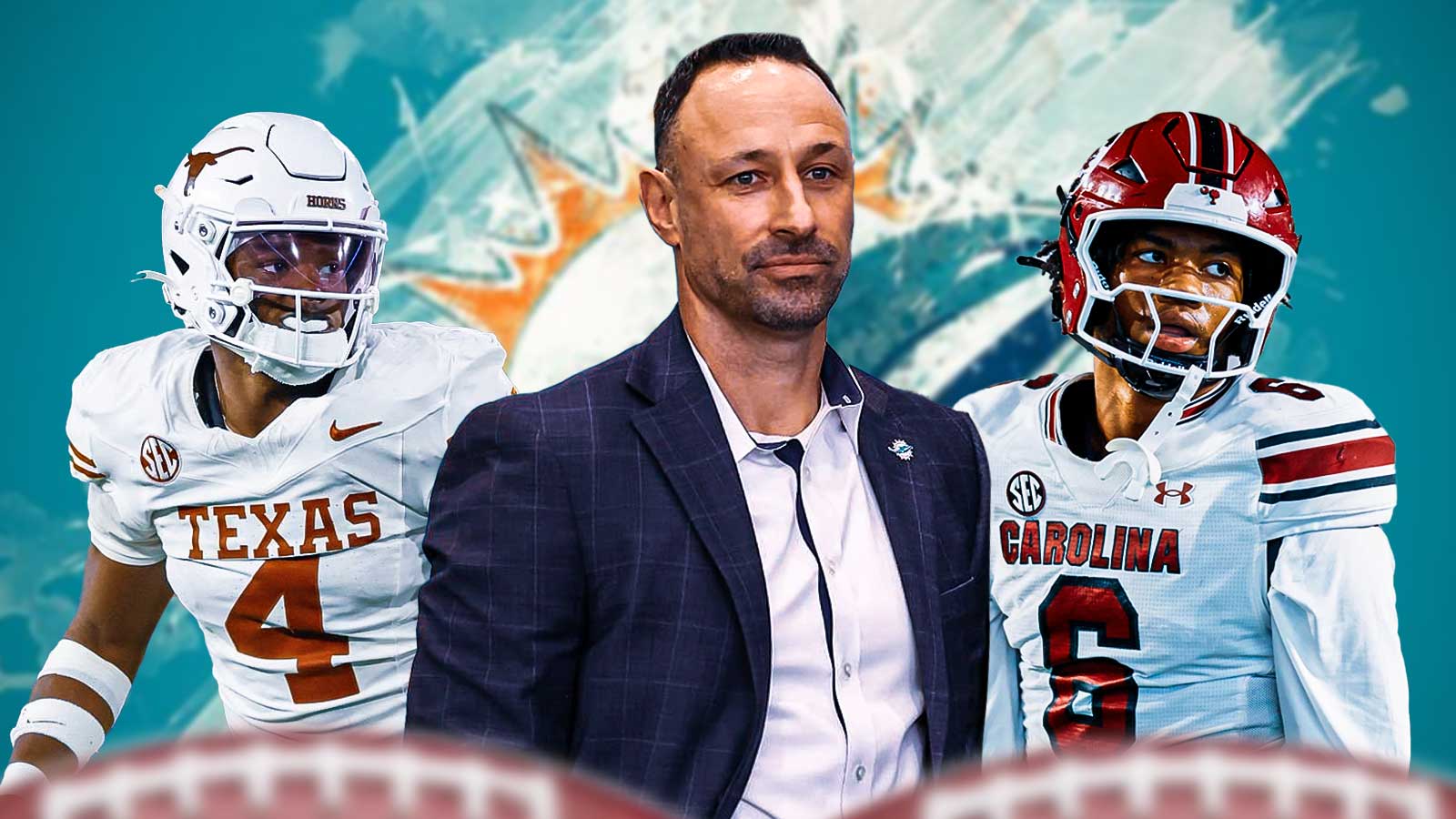
The Miami Dolphins didn’t just hit the reset button in 2026. They detonated the whole thing. Tua Tagovailoa, Tyreek Hill, Jaylen Waddle, Bradley Chubb — all gone. In came Malik Willis, Tutu Atwell, David Ojabo, and a draft class headlined by tackle Kadyn Proctor and corner Chris Johnson. The franchise basically told everyone: we’re starting over, and we’re doing it our way.
But a rebuild isn’t a one-year project. Not in the NFL. And the latest PFF mock draft simulator — already looking ahead to 2027 — suggests Miami’s front office is thinking two steps ahead. The simulation hands the Dolphins a massive haul, starting with a potentially dominant edge rusher and running through secondary help, offensive speed, and a late-round quarterback gamble.
Here’s how it shakes out.
Edge Rusher First, Everything Else Second
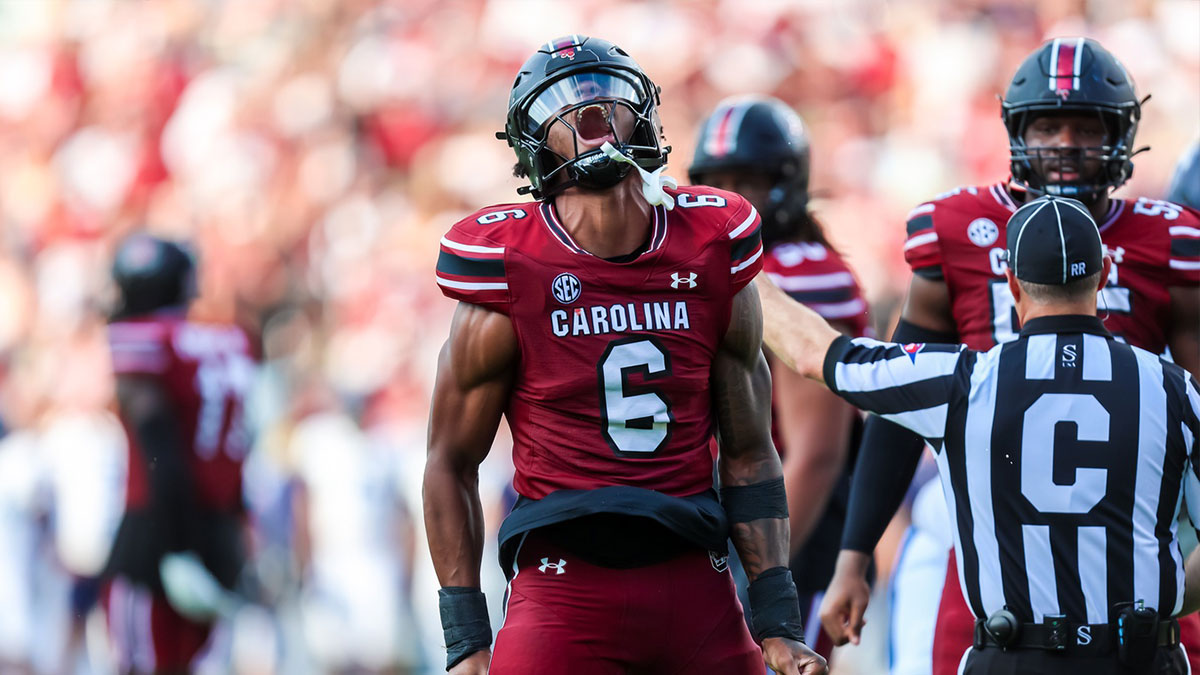
At pick No. 2 overall, the Dolphins land South Carolina’s Dylan Stewart. This isn’t just a pass-rush specialist. Stewart generated 37 pressures and five sacks in his breakout season, plus three forced fumbles. But the tape shows a guy who sets the edge, plays with leverage, and doesn’t come off the field on third-and-long. For a team building from scratch, that’s the kind of cornerstone you write into the blueprints.
(No, the simulation doesn’t say who goes first overall. But landing Stewart at No. 2 feels like a win regardless.)
Secondary Gets Two Early Additions
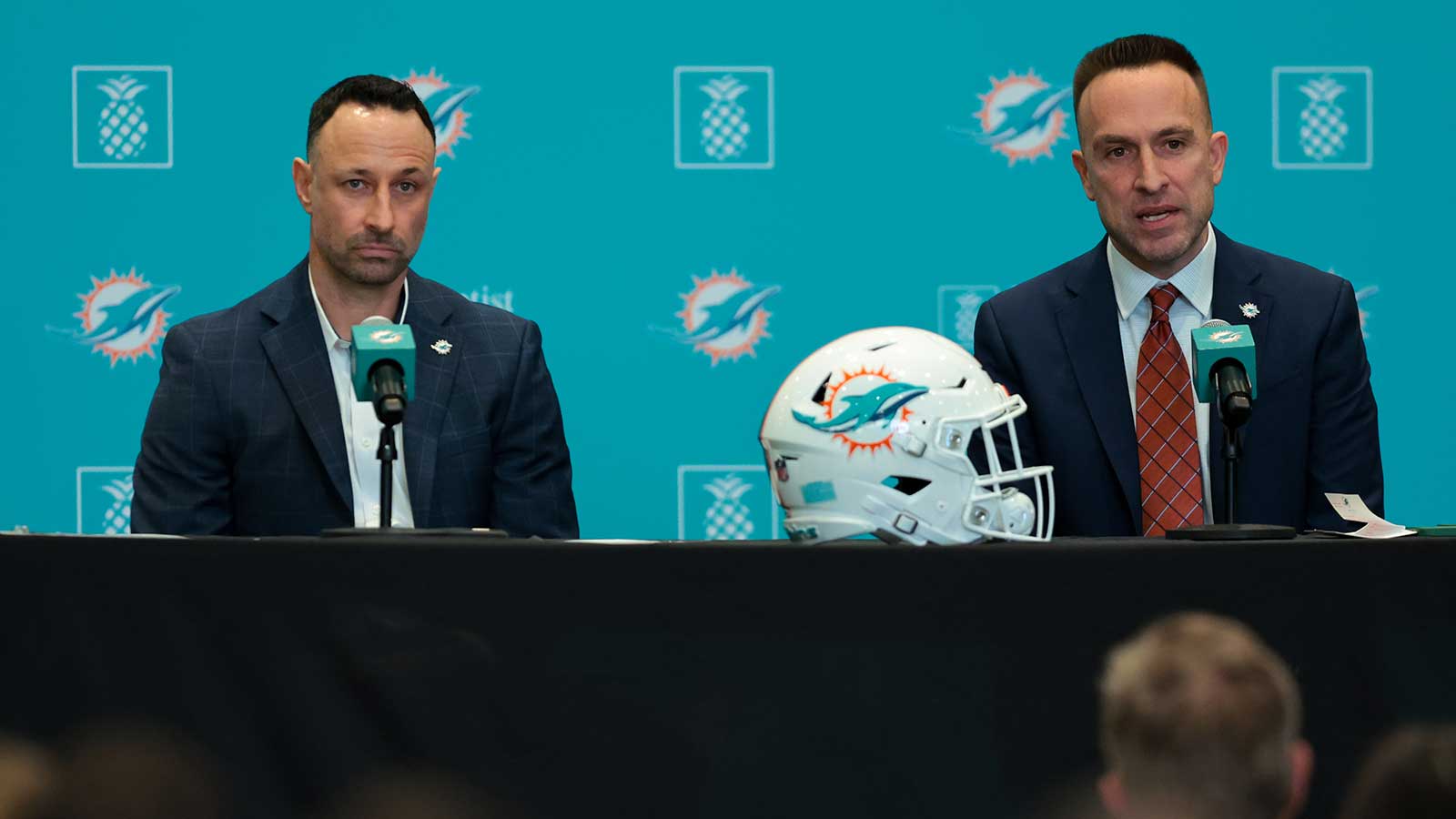
Round 2 brings Texas safety Jelani McDonald, who might be the surest tackler in the entire class. He’s physical near the line, rangy in coverage, and the kind of chess piece defensive coordinator Jeff Hafley can move around. Then in Round 5, Miami adds USC corner Jontez Williams — a former Iowa State standout who’s already bounced back from a serious knee injury. The Dolphins double down later with Wake Forest safety Davaughn Patterson and Florida State corner Ja’Bril Rawls in the seventh round.
That’s four defensive backs in one draft. Which tells you something about how the front office sees the secondary right now.
Offensive Help Arrives — Eventually
The offense doesn’t get love until Round 3, when Miami grabs Alabama receiver Ryan Coleman-Williams. He’s a vertical threat who stacks cornerbacks and creates separation. Put him opposite whoever wins the receiver room by then, and suddenly the Dolphins have some juice on the outside.
In Round 4, they take South Carolina offensive lineman Jacarrius Peak — a swing tackle with movement skills who needs time to develop physically. That fits the timeline. The line isn’t fixed in one draft.
The Late-Round Quarterback Lottery Ticket
This is the pick that’ll get people talking. At No. 251 overall — basically the end of the draft — Miami selects UCLA quarterback Nico Iamaleava. He was a five-star recruit once. He’s 6-foot-6 with elite arm strength and mobility. The production at UCLA never matched the recruiting hype. But at this point in the draft, you’re not looking for sure things. You’re looking for traits that might pop with coaching and patience.
If Iamaleava figures it out, the Dolphins just found a franchise QB in the seventh round. If he doesn’t, they wasted a pick that most years gets used on a long snapper. That’s the math of a rebuild. Swing on upside, minimize the downside.
The rest of the class fills in around the edges: Colorado defensive tackle Ezra Christensen in Round 6 as an interior pass-rush specialist, and South Carolina’s Jacarrius Peak earlier for offensive line depth. Nothing flashy. But solid roster construction doesn’t have to be.
What stands out about this mock is the discipline. Miami doesn’t reach for need. It takes the best available edge rusher at No. 2, adds secondary talent throughout, and takes one calculated shot at quarterback. The Dolphins won’t be contenders in 2027. But if even half these picks hit, the conversation changes fast.
Leave a Comment