
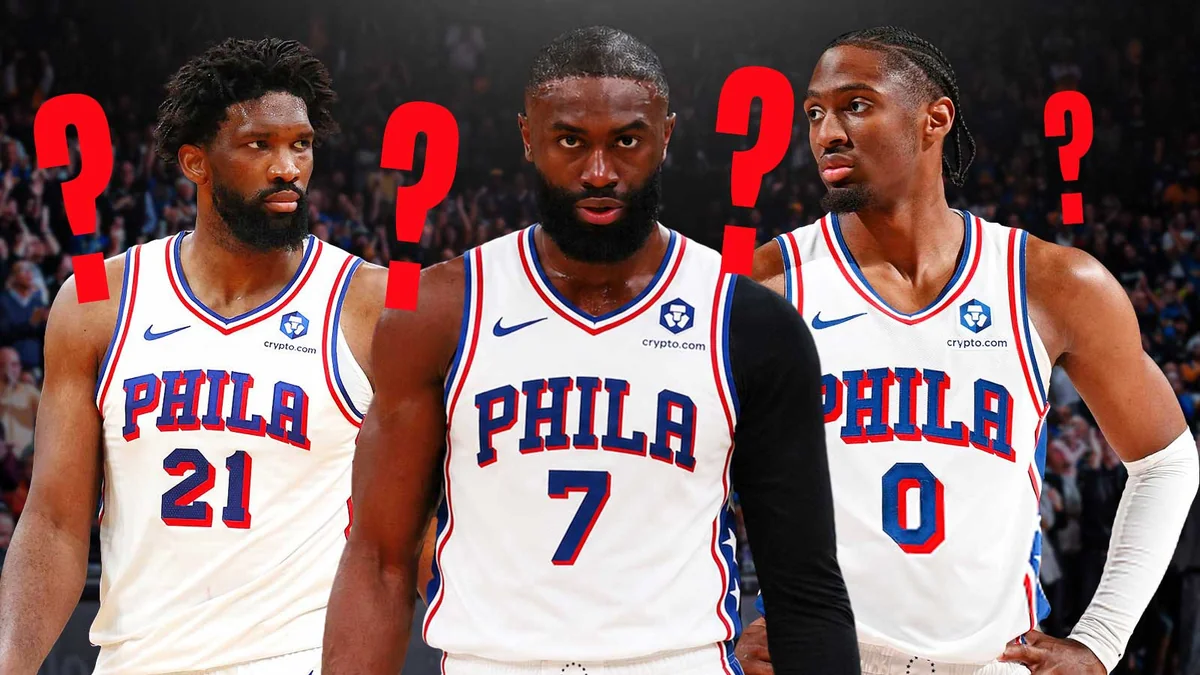
The Philadelphia 76ers just pulled off a trade that looks like a heist on paper. Shedding Paul George’s contract and two future first-round picks for Jaylen Brown, a 28-year-old Finals MVP who averaged 29 points, 7 rebounds, and 5 assists last season while Jayson Tatum missed most of the year with a torn Achilles — that’s the kind of move that gets fans dreaming.
Brown is elite. He’s durable. He’s seven years younger than George. And paired with Tyrese Maxey and rookie VJ Edgecombe, the Sixers suddenly have a rotation that can survive Joel Embiid’s inevitable load management stretches. On the surface, it’s a win now and later.
But there’s a reason Boston was willing to move him. And there’s a reason real optimism about this Philly team should come with a warning label.
Too Many Cooks, Not Enough Off-Ball Work
The usage question is not a small one. Brown has spent his entire career as a heliocentric scorer who needs the ball to find his rhythm. He had a usage rate north of 36 percent last season, the third time he’s crossed that threshold. Maxey has never topped 30 percent, but he is the guy Philly has been building around — handing him the keys and watching him grow into an All-Star. Now Brown walks in and needs touches too.
And oh yeah, Embiid is still there. When healthy, he has never posted a usage rate below 32.9 percent. That’s three players who need the ball to be effective, and none of them are elite catch-and-shoot threats. Last season, Brown shot 33.1 percent on catch-and-shoot threes. George, for comparison, shot 41.7 percent on those same looks before he was traded. Brown is not a movement shooter who runs off screens and keeps the defense honest. He wants to pound the rock and go to work.
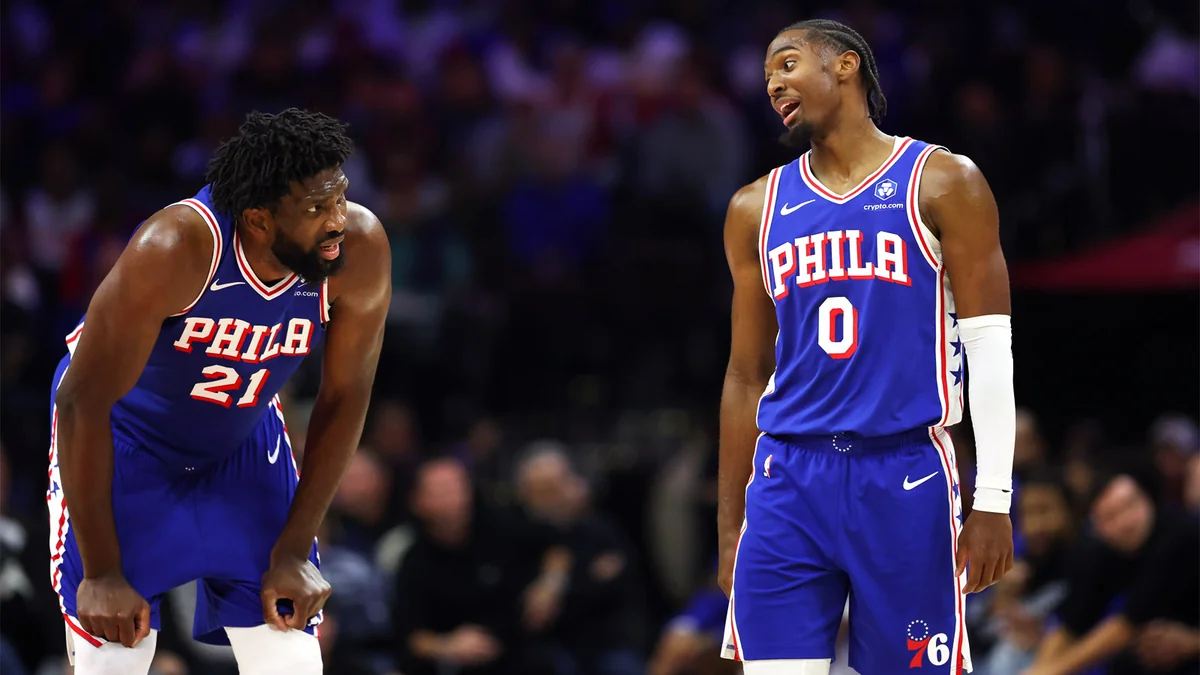
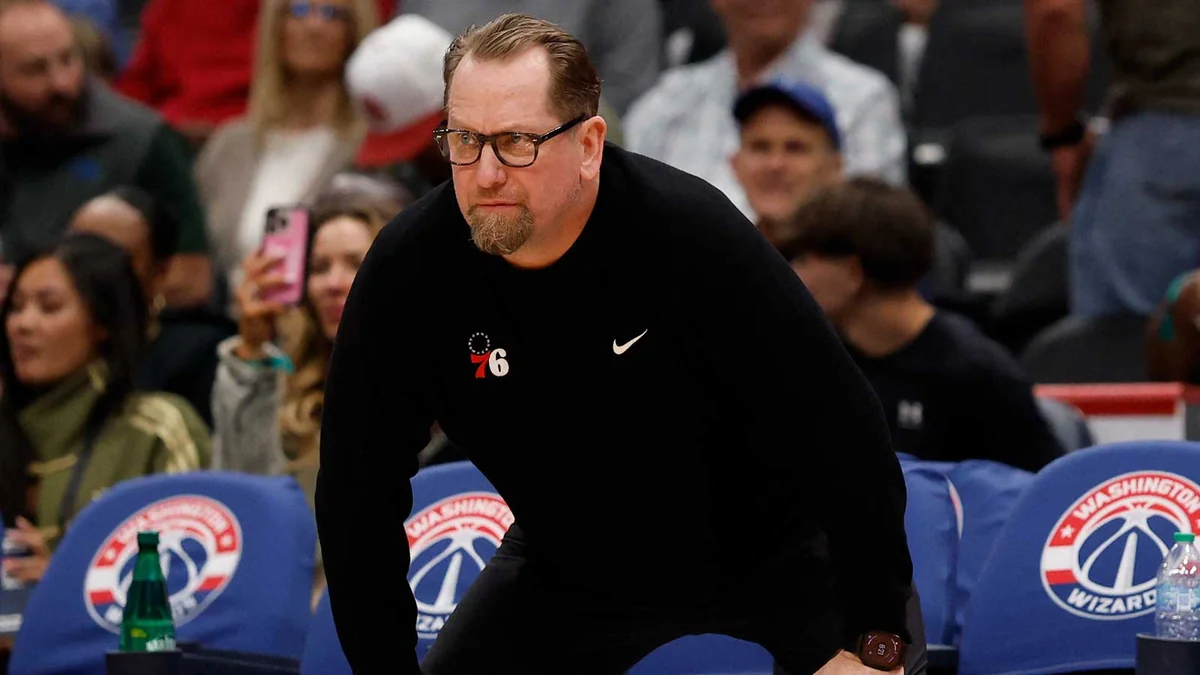
Nick Nurse has a real puzzle on his hands. Maxey sharing a backcourt with James Harden worked because Harden was a genuine floor general and playmaker. Brown is not that. He has never been that. His career assist rate is fine but unremarkable, and he tends to stall the ball movement when he operates. The offense could get stagnant fast.
Depth Is a Real Concern
The Sixers also lost more than just George’s contract in this deal. They shipped out Kelly Oubre Jr., whose off-ball movement created space for everyone, and they gave up two first-round picks that could have been used to fill out the roster. What’s left behind the starting group is thin.
Anfernee Simons and rookie Labaron Philon Jr. are the primary bench guards. That’s it. Dominick Barlow and Adem Bona are young and promising, but they are not playoff rotation players yet. The wing depth beyond Brown, Edgecombe, and new signing Dean Wade is shaky at best. Nurse has a history of riding his starters into the ground, and that works in the regular season until it doesn’t in the playoffs.
George’s defense in particular will be missed. He helped slow down Brown and Tatum during Philly’s first-round win over Boston this past spring. Oubre’s length and activity on the perimeter were also huge. Now the Sixers are relying on a rookie and a journeyman to fill those minutes.
The Floor Is High. The Ceiling Is Unclear.
Brown’s durability alone should keep this team from completely bottoming out. He has missed very few games over the last five seasons, and he can carry an offense for long stretches. But the playoffs require chemistry, spacing, and versatility. The Sixers currently have one of the most volatile rosters in the league, loaded with talent but short on fit and depth.
They could still add another 3-and-D wing before the deadline. They might figure out the usage problem through sheer talent. The team has not confirmed any plans for further moves, but it’s hard to look at this roster and feel confident it’s built for a deep run. Getting Brown was the easy part. Making him work with Maxey and Embiid is the real test.
Leave a Comment