
There’s a photo that keeps floating around ahead of Sunday’s World Cup final. Lionel Messi, 20 years old, holding a baby. That baby is Lamine Yamal. It was a UNICEF shoot in 2007, totally random, and now they’re facing each other on the sport’s biggest stage. The internet loves this stuff, and honestly, it gives the buildup something special.
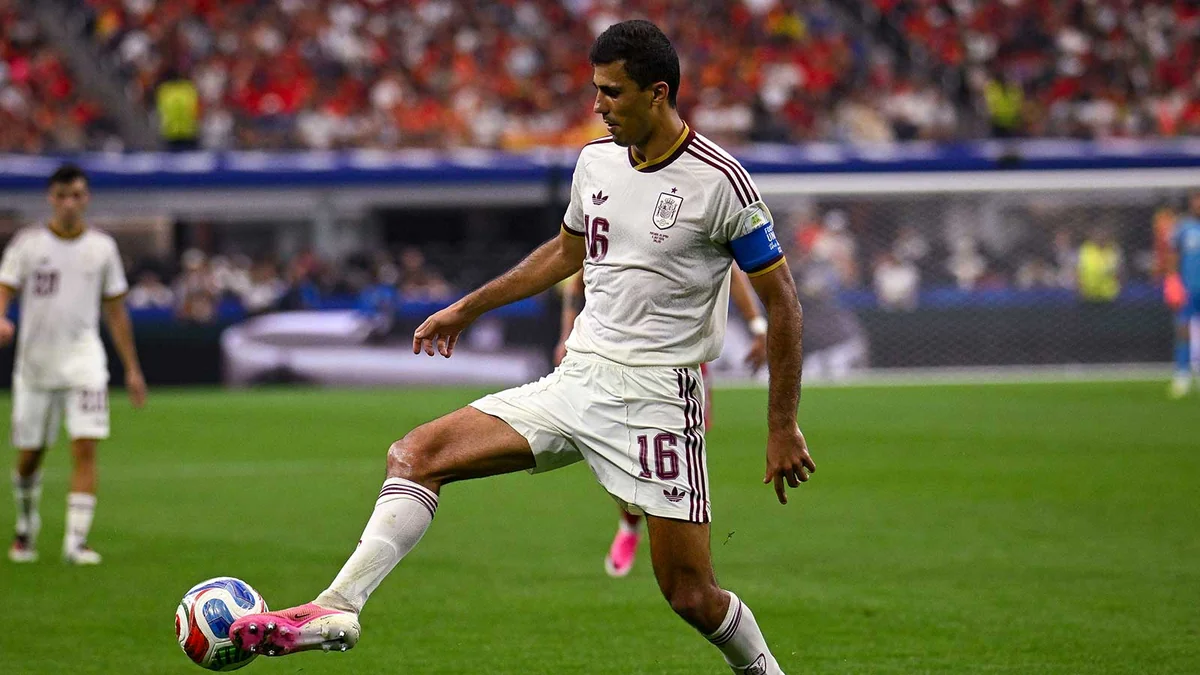
But here’s the thing about this final that nobody’s saying loud enough. Spain has looked unstoppable. They’ve given up one goal all tournament. They keep the ball like it’s sewn to their feet. Rodri runs the midfield, Fabián Ruiz keeps finding pockets, and Yamal turns defenders inside out whenever he gets the ball. It’s the kind of soccer that usually suffocates opponents into submission.
Argentina doesn’t care.
Possession doesn’t scare them anymore
Most teams panic when Spain strings together 80 passes. They chase, they lose shape, and suddenly there’s a lane for a through ball. Argentina learned a long time ago that chasing the game isn’t how you beat Spain. Instead, Scaloni’s team just sits. Compact. Patient. They let Spain pass it sideways for three minutes, then four, then the fullbacks creep up and suddenly there’s space behind them. That’s when Messi does his thing.
He’s not the same player who used to dribble through four guys. He’s 39 now, and he doesn’t need to be. He waits. He watches. And when the defensive line stretches just enough, he puts a ball into a runner’s path that looks simple but isn’t. Julián Álvarez drags defenders everywhere. Lautaro Martínez finishes anything inside the box.
The math is uncomfortable for Spain. They’ll have the ball 65% of the time. Great. But if they don’t score, every failed attack becomes a transition opportunity for Argentina, and Argentina is ruthless in transition. One Messi pass, one run from Álvarez, and suddenly it’s 1-0.
Spain’s strength might be its problem
This isn’t a call for Spain to abandon what got them here. That would be dumb. But the deeper issue is that Spain has played a certain type of tournament. They dictate. They control. They rarely face moments where momentum flips back and forth. Argentina has lived in those moments. They beat Netherlands in a penalty shootout. They survived France’s comeback in the last final. They know how to absorb pressure and wait for one chance.
If Spain keeps the ball for 70 minutes and doesn’t score, frustration creeps in. The center backs push higher. The fullbacks overlap more. The midfield tries riskier passes. And that’s exactly when Argentina pounces. Scaloni built this team to handle exactly that scenario. They don’t need many chances. They just need one.
Spain could absolutely win this final. They have the talent, the system, the young star. But if the match turns into what it looks like on paper — Spain dominating possession, Argentina waiting — then Spain’s greatest strength becomes a vulnerability. Argentina has the patience, the finishers, and the guy who can find a pass nobody else sees.
One transition. One moment. That’s all it might take.
Leave a Comment