
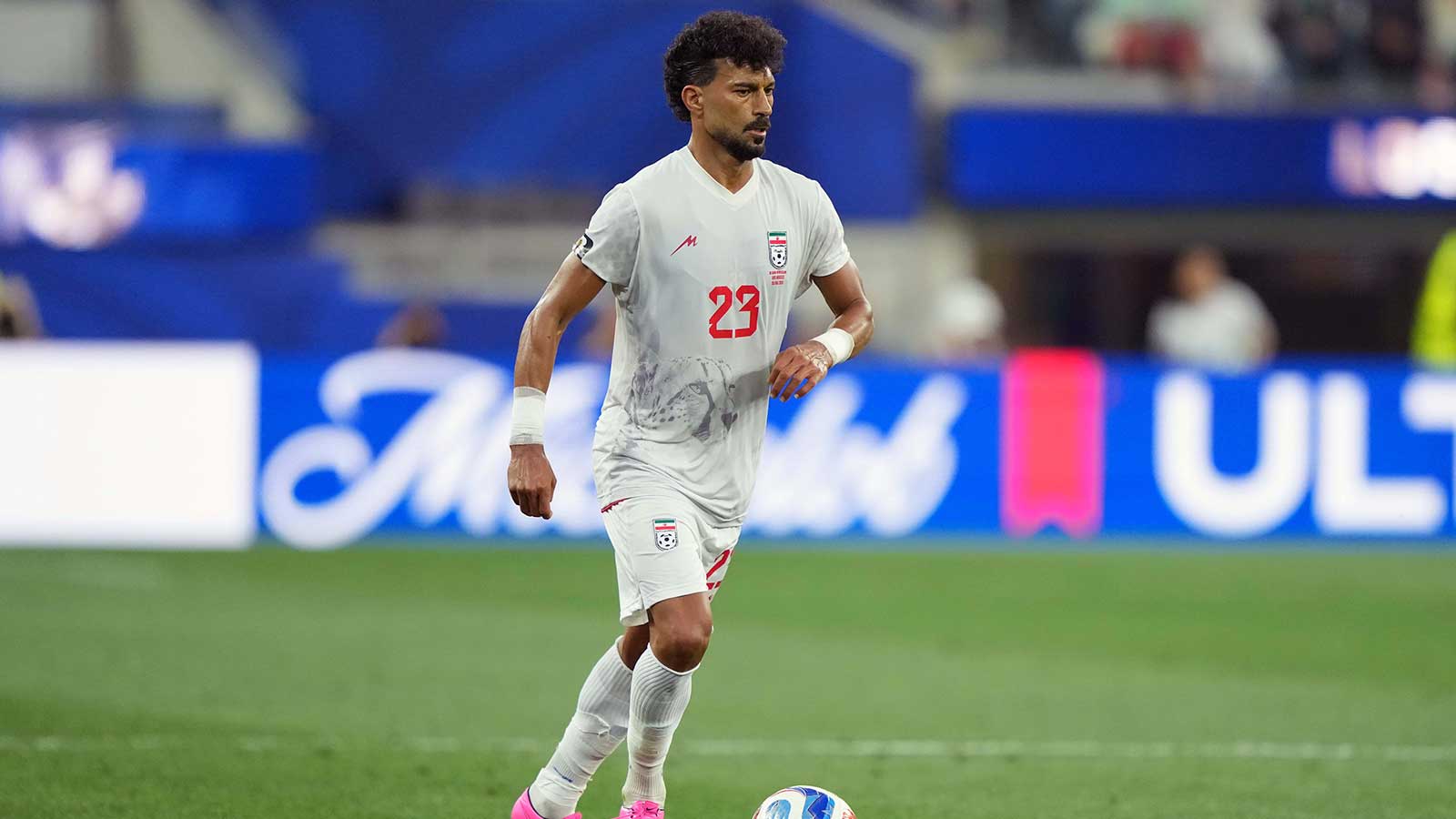
Iran’s World Cup run ended in about the cruelest way possible on Thursday night. The team needed a draw between Austria and Algeria to have any shot at advancing as one of the best third-place teams. And for a moment, it looked like they might get exactly that.
Then Riyad Mahrez happened. Algeria’s captain scored a go-ahead goal in stoppage time, a dagger that seemed to seal Iran’s fate. But before anyone could process it, Austria’s Sasa Kalajdzic rose up and headed home an equalizer just moments later. The 3-3 draw sent both Austria and Algeria through to the knockout stage. Iran was left watching from afar.
That’s a brutal way to go out. But honestly, Iran’s tournament was complicated from the jump.
A campaign shaped by geopolitics
Team Melli opened group play with a tense 2-2 draw against New Zealand. After that match, manager Amir Ghalenoei didn’t hold back. He slammed FIFA and the U.S. government over what he called impossible travel logistics and not enough recovery time between games. The team had relocated its entire base camp to Mexico because of strict U.S. travel restrictions tied to the ongoing diplomatic conflict between Tehran and Washington, one that escalated sharply in February 2026.
So instead of setting up shop in the U.S., Iran was commuting across the border. That’s not ideal when you’re trying to compete at the highest level.
Iran followed that draw with two more stalemates — a 1-1 result against Egypt and a scoreless deadlock with Belgium. That put them third in Group J with three points. Their only path forward was to be among the top eight third-place finishers across the tournament. They needed help from other groups. They didn’t get it.
Federation releases emotional statement after elimination
Once the math became official, the Iranian federation put out a statement that didn’t focus on the on-field disappointment. Instead, they thanked Mexico. Specifically, they thanked the people of Tijuana, where the team had been based. According to ESPN, the statement read in part: “We express our heartfelt appreciation to the wonderful people of Mexico, especially the beautiful city of Tijuana. Leaving was truly difficult for the entire team.”
That part hit different. It’s rare to see a national team get that attached to a host city they weren’t even supposed to be in. But it makes sense when you consider the alternative — Iran dealt with administrative hostility from the very start.
Off-field controversies cast a shadow over the tournament
This wasn’t just about Iran. The broader diplomatic tensions spilled into the tournament before a ball was kicked. U.S. immigration officials denied entry to Somali referee Omar Artan in Miami, a move that drew sharp criticism from FIFA. More notably, FIFA revoked the traditional stadium ticket allocation for Iranian supporters, a heavy-handed decision that made Infantino’s earlier promises about unrestricted access for all qualifying nations and their fans ring hollow.
For Iran, the whole experience was a lesson in how politics can shape a sporting event even when the players do everything right. They fought through travel chaos, limited recovery, and a group that refused to give them a win. And in the end, they got bounced by a stoppage-time goal from Mahrez and a header from Kalajdzic that neither saw coming.
Leave a Comment