
Saturday’s World Cup knockout match between France and Paraguay in Philadelphia is shaping up to be something close to a public health experiment. Forecasts show heat indexes hitting 100 to 115 degrees Fahrenheit. That’s not just uncomfortable. That’s the kind of heat where bodies stop working right.
The National Weather Service says overnight temps won’t drop much either, which means nobody gets a break. Not the players running 10 miles on the pitch. Not the fans tailgating at 10 a.m. Not the vendors working in concrete corridors.
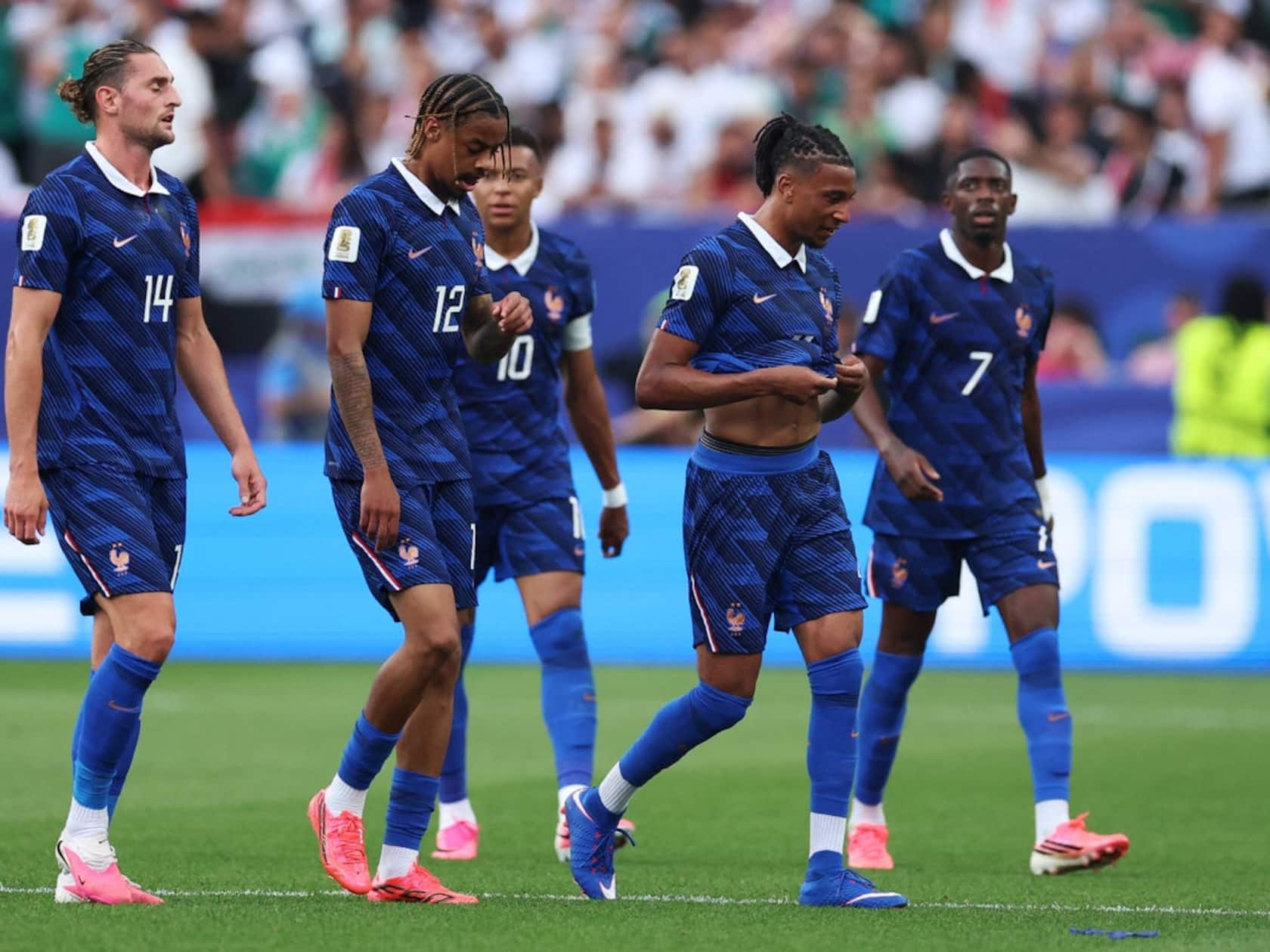
This tournament has already had heat problems. French players ran to field sprinklers during their Sweden game in New Jersey when it was only 90 degrees. Now they’re looking at 100-plus. And scientists have been saying for weeks that FIFA’s heat guidelines are dangerously behind the science.
So what’s the actual rule? Under current FIFA protocol, a match gets postponed only if the wet bulb globe temperature — which factors in humidity, wind, and sun — hits 89.6 degrees. To put that number in perspective, Douglas Casa from UConn’s Korey Stringer Institute says that’s the threshold where the U.S. military black-flags all training. Canceled. Done. But FIFA says it’s fine to play soccer through that.
What the heat does to the human body
Bharat Venkat runs the Heat Lab at UCLA. He explains it like this: when you exercise in extreme heat, you’re getting cooked from both directions. The environment is hot, and your muscles are generating internal heat. That combination makes it nearly impossible to cool down, especially when humidity is high and sweat won’t evaporate.
The symptoms aren’t subtle. Dizziness. Nausea. Headaches. Confusion. Exertional heat stroke is the third leading cause of death among athletes. And Dartmouth biology professor Ryan Calsbeek points out that when WBGT passes 95 degrees, you lose the ability to cool rapidly. Your body’s systems just break down. He also notes that confused players make bad decisions. A blown offside trap in the 80th minute might not be about fitness. It might be about the heat.
The clock is ticking on those cooling breaks
FIFA gives players three-minute hydration breaks midway through each half. That’s it. Some scientists say that’s not long enough to actually rehydrate and lower core body temperature. Others argue the breaks disrupt the game and give coaches extra tactical timeouts.
The players’ union Fifpro and the American College of Sports Medicine have pushed for a lower postponement threshold — 82.4 degrees. That’s more than 7 degrees cooler than the current standard. So far, FIFA hasn’t budged.
Brazil’s sport science team has been using saunas and hot baths to acclimate players ahead of matches. They also avoid exposing the squad to peak heat all at once. But Brazil’s 2014 World Cup data showed that when players were in extreme conditions, they covered less ground and slowed their sprints. The game became more technical, less explosive.
The stands don’t get a pass either. Fans drinking alcohol in direct sun with concrete radiating heat underneath? Calsbeek says they’ll pay a price too. Dehydrated. Excited. Refusing to leave before the final whistle. Stadiums have added cooling zones and water stations, but there’s a limit to what infrastructure can do when the air itself is dangerous.
France and Paraguay play Saturday afternoon. The temperature will be what it is. The question is whether the rules will protect anyone if it gets worse.
Leave a Comment