Most World Cup kits are just shirts. A few of them carry real meaning. The 2026 tournament has more of those than usual, and not all of it is obvious at first glance.
Cape Verde made its World Cup debut this year as the smallest nation ever to qualify. About 525,000 people live across 10 volcanic islands off Africa’s coast. Their blue home jersey and white away kit feature a geometric triangular print. It’s not just decoration. The pattern represents flight paths between the islands, a visual reminder that the whole country is behind the team no matter where they play. That unity showed on the field when Cape Verde held Spain to a 0-0 draw in their opening match.
The Belgian Surrealist Shirt
Belgium’s away jersey has a line stitched into the collar: “This is not a jersey.” It’s a direct nod to René Magritte, the Belgian surrealist painter who famously wrote “Ceci n’est pas une pipe” under a painting of a pipe. The light blue kit is covered in pink patterns and black detailing that includes pitch lines and a soccer ball. The Belgian federation said the design is meant to “spark the imagination and invite conversation.” It works.
Haiti’s Rejected Kit
Haiti ran into trouble before the tournament even started. FIFA rejected their original jersey design because it showed a scene from the final battle of the Haitian War of Independence in 1803. Colombian manufacturer Saeta called it a “tribute to the men and women who contribute every day to Haiti’s future.” FIFA called it “too political.” The team had to switch to a plain blue kit without the imagery.
Argentina Channels Its Champions History
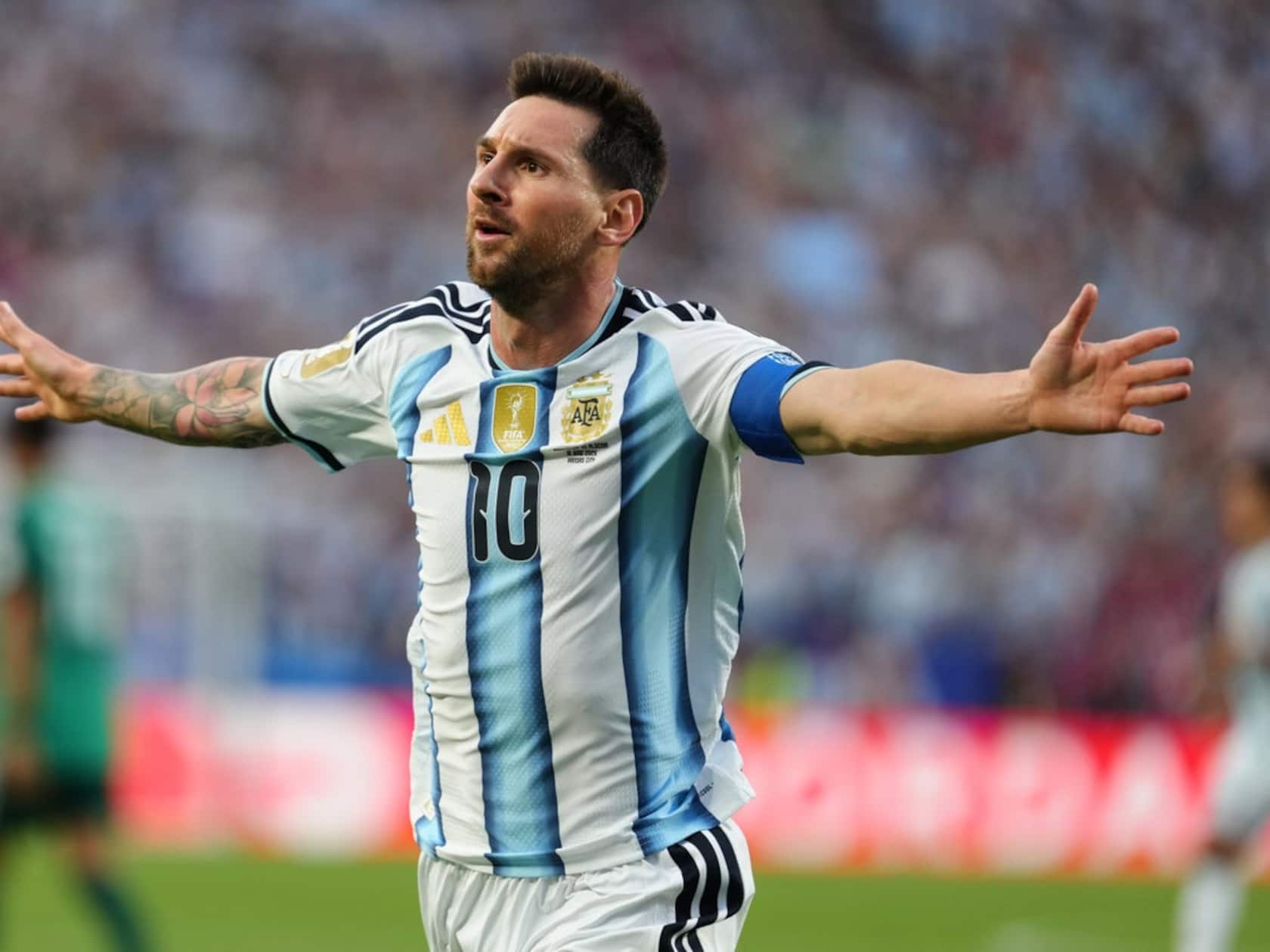
Argentina’s home kit features three shades of blue stripes, pulling from the jerseys they wore when they won the World Cup in 1978, 1986, and 2022. Lionel Messi wore it while scoring a hat trick against Algeria. The away kit is dark blue with patterns borrowed from filete porteño, a traditional Buenos Aires painting style known for bright swirls and stylized lettering.
France’s Statue of Liberty Nod
France’s away kit is green. Not an accidental color choice. It matches the oxidized copper of the Statue of Liberty, which French sculptor Frédéric-Auguste Bartholdi designed and France gave to the U.S. in 1886. The jersey has a copper-colored logo and the phrase “Nos différences nous unissent” — our differences unite us.
Iran’s Endangered Cheetah
Iran’s white home and red away kits feature an Asiatic cheetah stretched across the front, with spots running up the sleeves. The Asiatic cheetah is critically endangered. Iran had about 400 in the 1990s. Now fewer than 70 remain in the wild.
Norway’s Viking Runes
Norway went old school. The font for player names and numbers is based on runic writing, the ancient Germanic alphabet used before Latin took over. The jersey also has Urnes-style Viking art patterns on the sides.
Colombia’s Magical Realism
Look close at Colombia’s yellow jersey and you’ll see butterfly patterns scattered across it. That’s a reference to Gabriel García Márquez’s “One Hundred Years of Solitude” and the yellow butterflies that follow one of the characters in the novel.
Mexico’s Aztec Calendar Return
Mexico brought back the Aztec calendar design from the 1990s. Before the World Cup, the team visited Mexico City’s National Museum of Anthropology and posed in front of the actual Piedra de Sol.
Saudi Arabia’s Lavender Doors
Saudi Arabia’s dark green home jersey has lavender squares and diamond shapes. They’re based on the geometric doorway decorations common in homes across the kingdom. Lavender is a celebrated color in Saudi culture, especially in spring when wild flowers bloom in the desert.
Brazil’s away kit is navy blue and black with a yellow Jumpman logo. The color is inspired by the poison dart frog from the Amazon. Nike’s idea: Brazil is dangerous, like a frog that can kill you.
Leave a Comment