
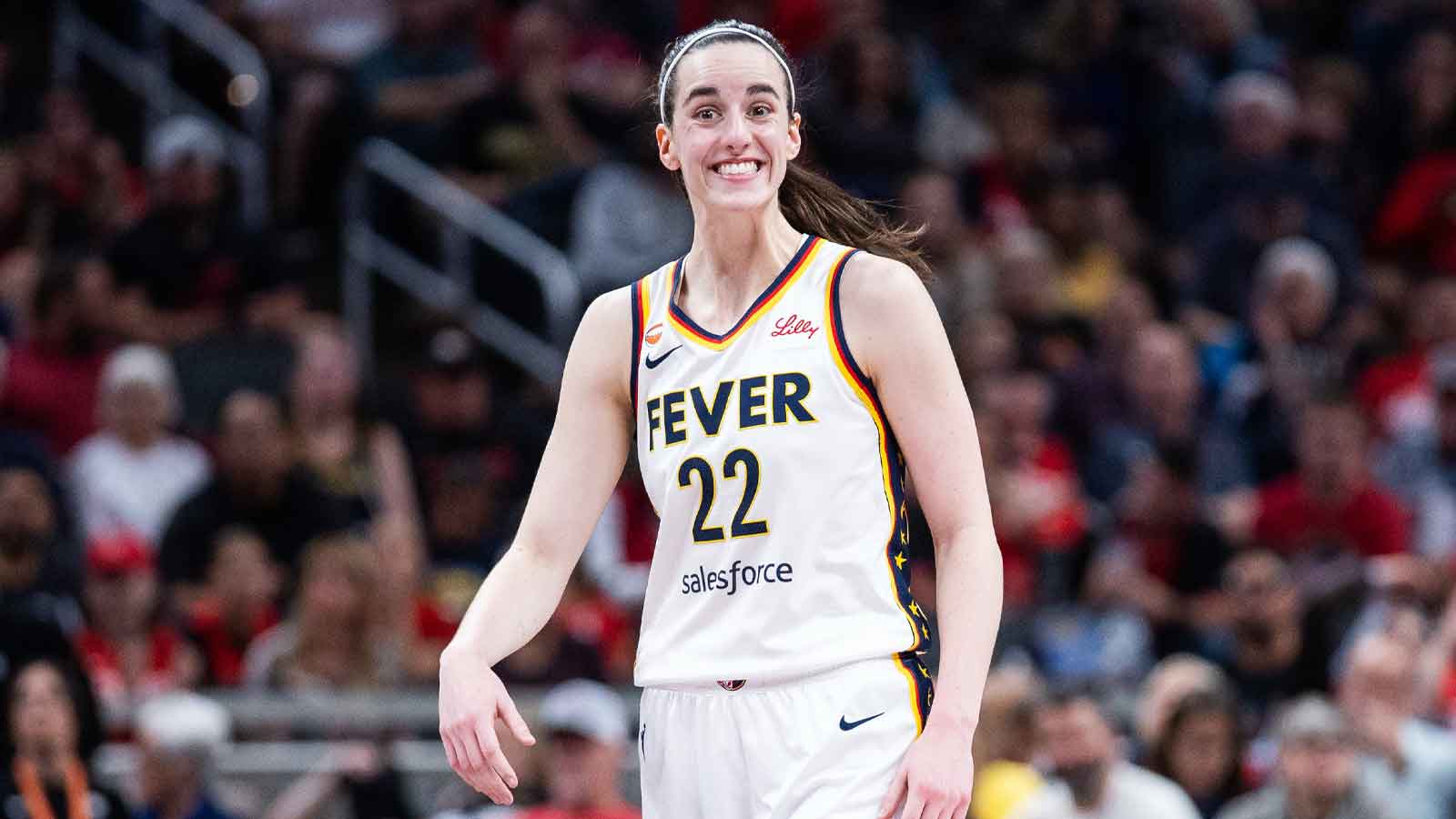
Caitlin Clark is only 24 years old. She still sees plenty of room to grow as a player. But she’s already old enough to remember watching the WNBA as a kid and wishing it paid better.
Now, thanks in large part to the attention she brought from college, the league’s new Collective Bargaining Agreement is changing things fast. Clark sat down with ESPN’s Malika Andrews recently and got real about what the deal means.
“I think it obviously came at a great time for us to be able to find a way to work a new deal,” Clark said. “As a young kid, I grew up watching this league and see how far it’s come. For a lot of players who have been here, they have put in a lot of time. I think we added 54 new spots or something like that. So just happy for everybody, whether that is players who have been here for a while, or people that are now able to be on a developmental spot. So it is huge.”
And the numbers back that up in a way that would have been unthinkable five years ago.
Salary cap jumping from $1.5 million to $7 million — and that’s just the start
The WNBA salary cap for the 2026 season is $7 million per team. That’s up from $1.5 million in 2025. By 2032, projections have that cap hitting $32 million. The year-one supermax salary rises to $1.4 million in 2026 and could climb above $2.4 million by the early 2030s.
Average salaries are set at $583,000 for next season. That number is expected to crack $1 million within six years. Even rookie contracts got a major boost. The No. 1 overall pick in the 2026 draft will make around $500,000 in year one, with a four-year deal worth $2.2 million total.
Part of the leap comes from the league’s $2.2 billion media rights deal signed over 11 years. Players now get a 20 percent share of league and team revenues. That’s a landmark gain that Clark’s arrival undeniably accelerated.
More roster spots, more opportunities
The new CBA also expanded roster sizes. Each team gets two additional developmental spots, which effectively adds 54 new jobs across the league. That means more players get a real paycheck and a real chance to develop, not just the stars at the top.
Clark didn’t claim credit for any of it, but the timeline doesn’t lie. The WNBA saw consistent growth in attendance and TV ratings right from her rookie season. The league’s leverage in media negotiations went up. The deal got done.
And Clark? She’s just getting started. “I’m only 24,” she said. “I still feel like I have so much room to improve.”
Leave a Comment