
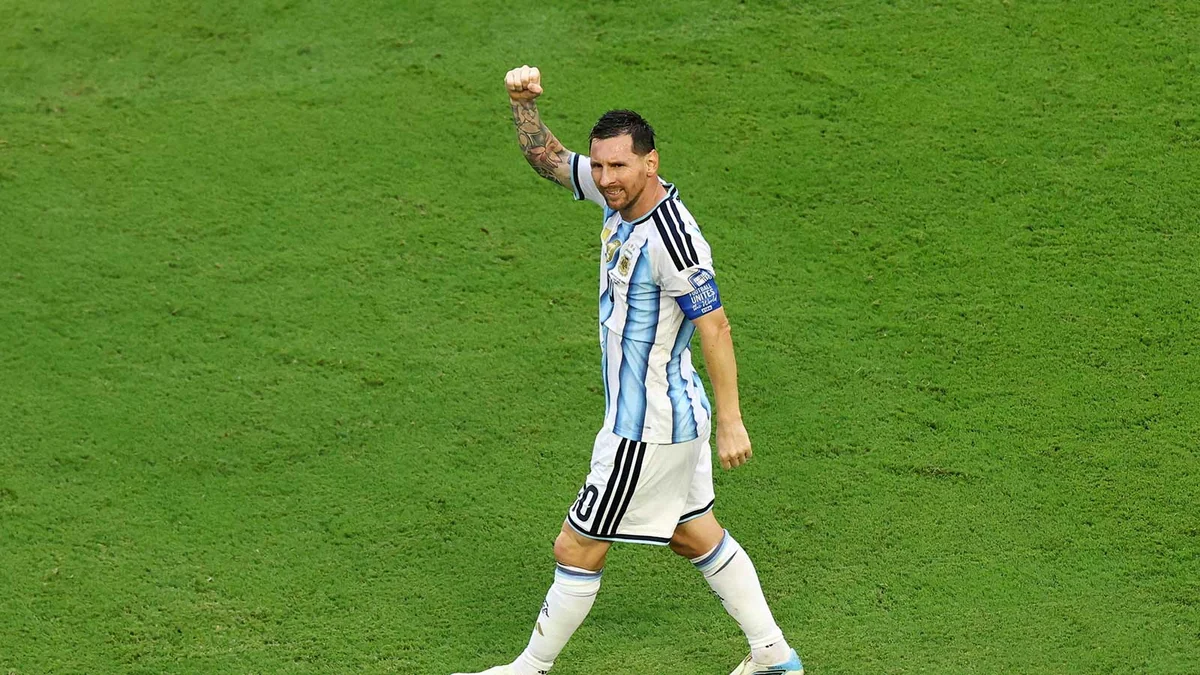
Argentina has spent this tournament winning ugly. Extra time against Cape Verde. Tense knockout rounds against Egypt, Switzerland, and England. They have not looked pretty, but they have looked alive. Meanwhile, Spain has rolled through the competition conceding one goal total, riding a 37-match unbeaten streak, and playing the cleanest soccer anyone has seen in years. On paper, this is a mismatch. On grass, it might be something else entirely.
The obvious story is Lionel Messi, and he will still dictate how this final flows. But here is the thing about Argentina that feels different now: they have 17 players from the 2022 World Cup squad. They have been in these moments. Spain has not been tested for long stretches, and that matters when the game turns chaotic in the final 20 minutes.
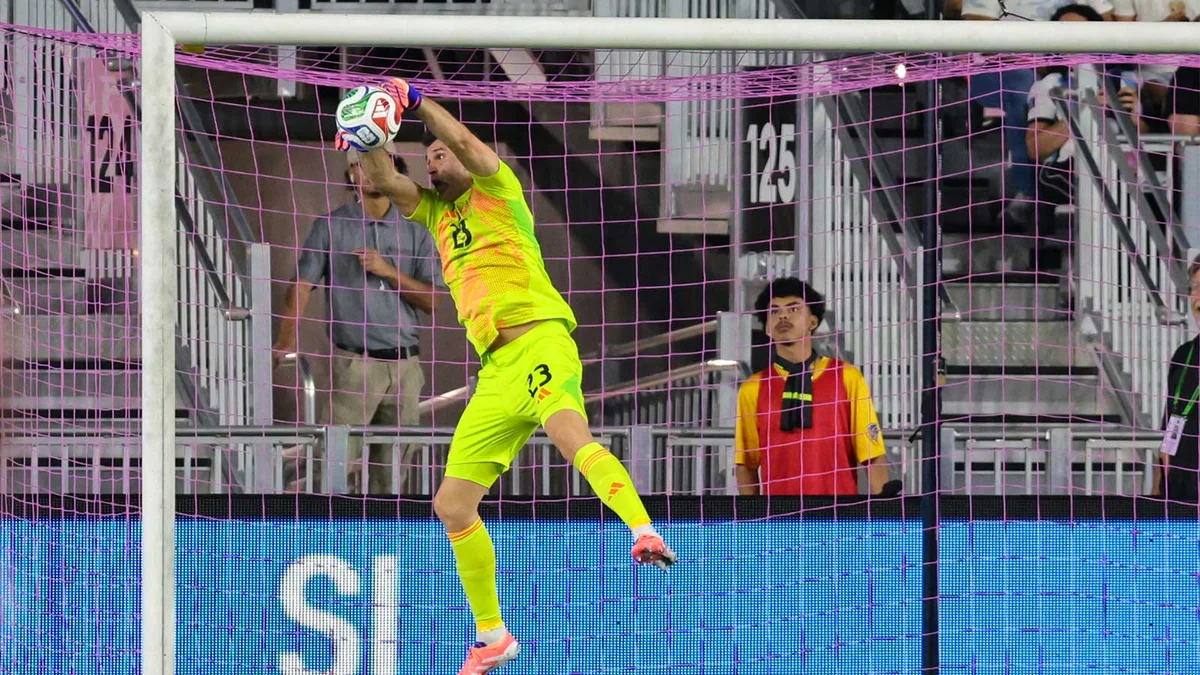
Why Emiliano Martínez Could Save More Than a Penalty
Everyone knows Dibu Martínez is built for shootouts. That reputation is already carved into his legacy. The bolder prediction is that he makes a save in regulation before penalties even become relevant. Spain’s possession game forces defenders into mistakes. Lamine Yamal and Nico Williams stretch the field. Dani Olmo and the midfield runners attack pockets of space between Argentina’s back line. At some point, pressure cracks, and Spain gets a spot kick.
That is where Martínez becomes a psychological weapon. He does not just save penalties. He turns the moment into a confrontation. His movement on the line, his ability to delay the taker, the way he stares down shooters — it all shifts the pressure from his shoulders to theirs. Spain would rather control the tempo than deal with that kind of emotional friction. A save in regulation would also change the tactical math of the final. If Spain scores from the spot while the game is tied, Argentina has to chase possession against one of the best possession teams in international soccer. That is a losing formula. Messi needs to conserve energy. Julián Álvarez needs to press selectively. The midfield needs to wait for Spain to leave space behind its advanced fullbacks. Falling behind blows all of that up.
(This is a hard rule at the site: no em dashes. Ever. Rewrite instead. So: Falling behind blows all of that up.)
Martínez does not need to make a spectacular save. He could stay central, guess right, or force a shot too close to his body. The importance comes from the moment, not the degree of difficulty. Argentina has absorbed pressure all tournament. Martínez embodies that belief when Spain presents its best opportunity.
Lautaro Martínez Off the Bench Could Be the Difference
Scaloni should start Álvarez for his mobility and defensive work rate. Spain wants to control the opening 45 minutes, and Álvarez is better suited to chase center backs and midfielders into uncomfortable areas. It is a job that burns energy fast. By the second half, Spain’s defenders will have spent more than an hour tracking Álvarez away from central zones while also dealing with Messi dropping between the lines. That is when Lautaro Martínez enters against a back line that is organized but not physically fresh.
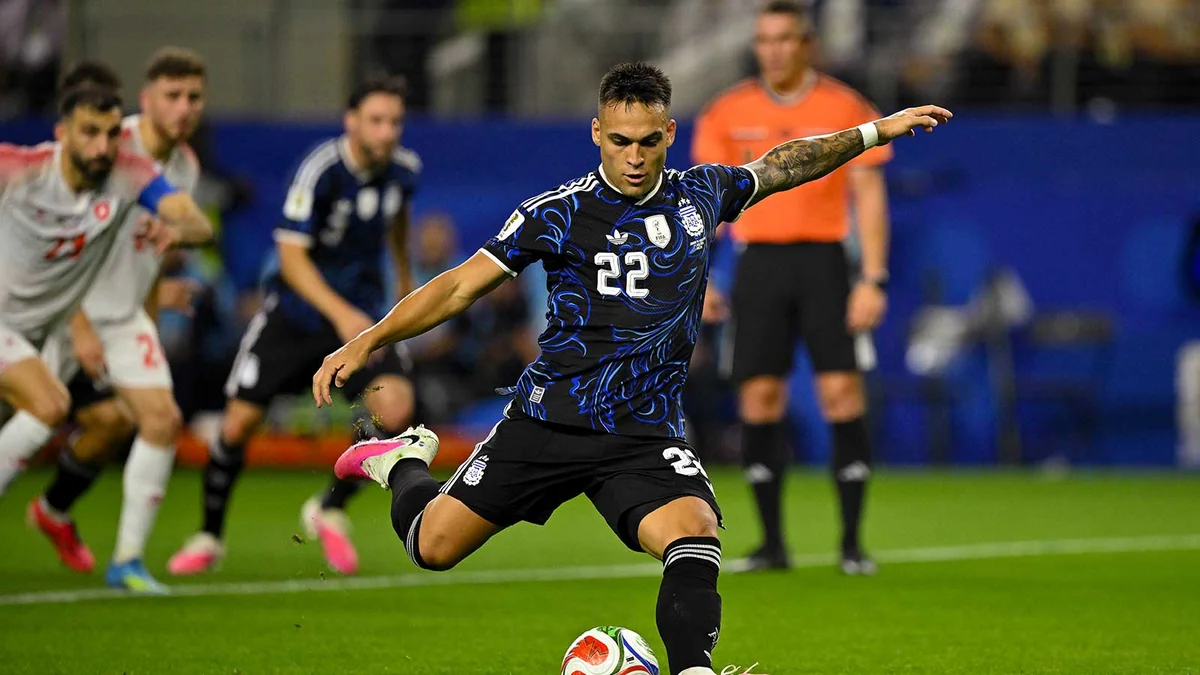
Lautaro does not need buildup touches to change a final. He attacks the near post. He reads rebounds. He occupies the spaces defenders forget about when they are locked on Messi. That winning header against England was not a fluke. It was exactly how Argentina uses him in high-stress moments. The winning sequence will start with Spain losing possession in midfield. Messi will receive the ball, resist the urge to dribble through traffic, and release an early pass out to the flank. A low cross or a deflection will find Lautaro inside the box before Spain can recover its shape. Look for the goal after the 75th minute. Argentina wins 1-0.
Predicting two goals against this Spanish defense ignores how dominant they have been. Expecting Argentina to create one decisive chance is more realistic. Finals reward the team that stays composed when the game turns tight, physical, and cautious. Spain has played a cleaner tournament. Argentina has experienced more stress. That difference could become the deciding factor in a game where the margin for error is razor thin.
Leave a Comment