
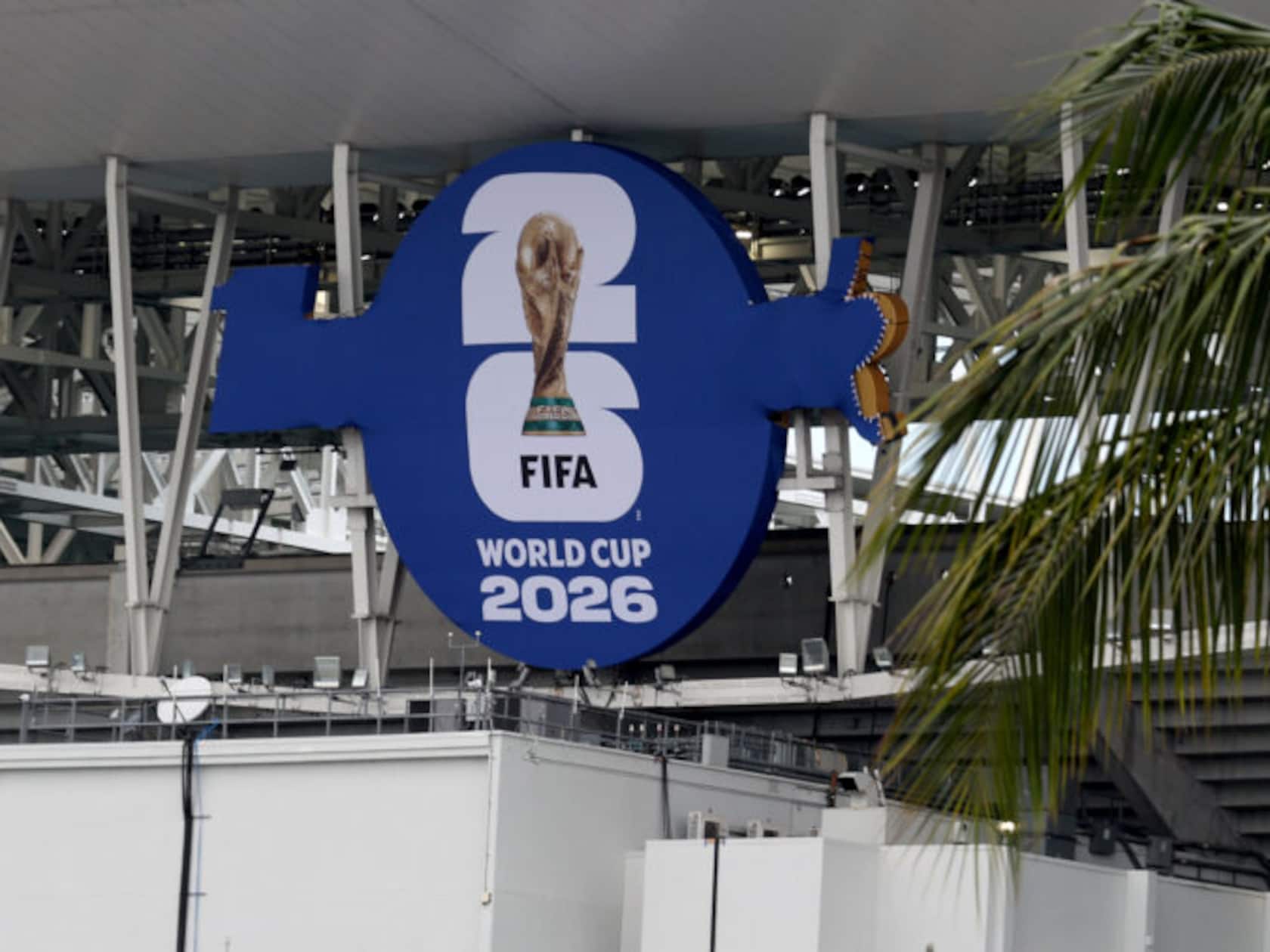
Omar Artan made history before he ever stepped on a World Cup pitch. The 34-year-old Somali referee was selected as one of the Confederation of African Football’s officials for the 2026 tournament, becoming the first referee from his country to earn a spot at the global showpiece. But when he arrived in Miami earlier this week, his unprecedented run hit an abrupt and frustrating wall.
According to reports, Artan was detained by U.S. immigration authorities for roughly 11 hours before being denied entry into the country. His diplomatic passport and single-entry visa were rejected, effectively ending his World Cup before it began. The decision sparked immediate backlash, with many calling on FIFA to intervene. The governing body, however, confirmed that the U.S. ruling would stand — Artan would not officiate a single match.
Here’s where the story takes a slightly different turn: FIFA has reportedly agreed to honor its financial commitment to Artan in full. Per talkSPORT, the Somali official will receive the five-figure payment he was set to earn for being selected, even though he won’t work any games in the tournament. For a referee from a football-mad nation that has rarely seen its officials ascend to this level, that check carries symbolic weight as much as financial relief.
World Cup referees typically earn a base fee for being chosen, with significant bonuses tied to how deep they advance in the competition. Top officials can surpass $100,000 for a full run, especially if they draw high-profile knockout assignments. Artan was unlikely to hit those upper tiers, but the base payment alone represents a substantial sum in the context of Somali football. More importantly, it acknowledges that his selection was not a bureaucratic mishap — it was earned.
The immigration denial has raised uncomfortable questions about the U.S. visa process for international sports figures, especially those from nations with strained diplomatic relations. Somalia has no formal embassy in Washington, and visa applicants from the country often face heightened scrutiny. Artan’s case highlights a broader tension: the World Cup is being co-hosted by the United States, Canada, and Mexico, yet access for certain officials and fans remains unpredictable.
For now, Artan is back home, not in the referees’ tunnel. His payment from FIFA won’t change the sting of watching the tournament from a distance. But it ensures that his historic selection won’t be remembered solely for the travel snub — at least financially, he’ll be treated like the World Cup referee he was chosen to be.
Leave a Comment