
Exclusive: Insiders Fear the Beautiful Game Is Being Sacrificed for Cheap Commercial Cash
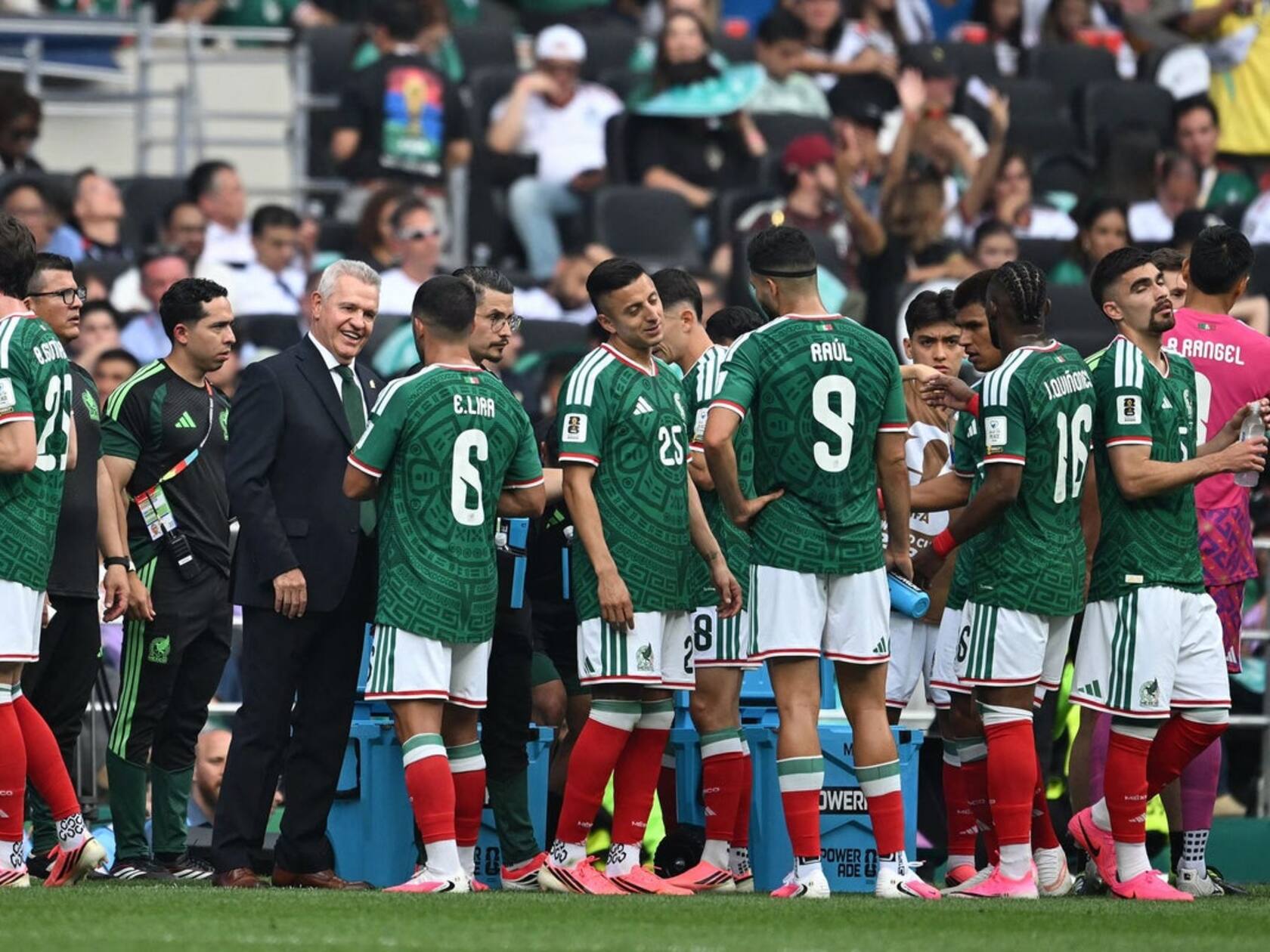
Just 24 minutes into the 2026 World Cup opener, the unthinkable happened: the game stopped—not for an injury, not for a VAR check, but for a drink. Fox Sports commentator Ian Darke bellowed, “This hydration break is powered by Powerade,” as players casually trotted to the sidelines. The temperature in Mexico City was a balmy 73°F—hardly the scorching heat that would justify a mandatory timeout. But sources close to the situation claim this had nothing to do with player safety and everything to do with the Almighty Dollar.
According to inside reports, the three-minute stoppage was a carefully orchestrated cash grab. Fox used the pause to air paid segments for Powerade, AT&T, Michelob Ultra, Lowe’s, and FanDuel, reportedly raking in millions per slot. No one has explained why players need 180 seconds to sip water—but broadcasters, we’re told, wouldn’t have it any other way.
The Spectacle Stops… for Ads
What happened next, insiders say, is a tragedy in slow motion. The electric roar of the Estadio Azteca—the same sacred ground where Pelé and Maradona made history—was replaced by canned music and a “dance cam.” Fans reportedly abandoned their seats to grab nachos and beer, while the momentum of a high-octane match evaporated.
“I hate it,” Carli Lloyd, the legendary USWNT star, tweeted bluntly. USMNT head coach Mauricio Pochettino echoed the sentiment, allegedly telling team insiders he only supports water breaks in extreme conditions—not in mild weather that looks more like a San Diego spring day.
FIFA’s Secret Deal with Fox: A Billion-Dollar Blunder?
Here’s what nobody is talking about: sources say FIFA essentially handed Fox Sports a golden ticket years ago. Back in 2015, to avoid a lawsuit over moving the Qatar World Cup to winter, FIFA reportedly sold the 2026 broadcast rights to Fox for a cut-rate $500 million—a deal that now looks like theft. With the tournament expanded to 48 teams and 104 games, those rights are estimated to be worth a staggering $1.5 billion. And now, with every game split into four quarters, Fox gets 208 potential ad breaks.
Industry experts are buzzing that each slot could command prices rivaling Super Bowl commercials—between $7 million and $9 million per spot. If these water breaks survive into the 2030 World Cup (hosted by Morocco, Spain, and Portugal in Mediterranean heat), the bidding war among broadcasters and streaming giants could shatter records.
The Soul of Soccer at Stake
The most troubling part? Coaches are reportedly using these breaks as tactical timeouts, huddling players while they hydrate. What was once a non-stop flow of action has become a stop-start affair, stripping away the very pace that makes soccer the world’s game. “It’s a disgrace,” one anonymous veteran player told us. “We feel like puppets in a commercial break.”
Even the venue itself feels sanitized: the iconic Estadio Azteca was stripped of its name and rebranded as the lifeless “Mexico City Stadium” to satisfy FIFA’s corporate rules. Observers joke it might as well be called the Coca-Cola Coliseum or the Hyundai-Kia Thunderdome.
FIFA president Gianni Infantino has boasted that this World Cup will generate over $10 billion in revenue for the first time ever. But critics ask: at what cost? Every water break is a tiny death for the sport, a reminder that FIFA answers only to the god Mammon. The game we love is reportedly being hollowed out, one commercial pause at a time.
Leave a Comment