
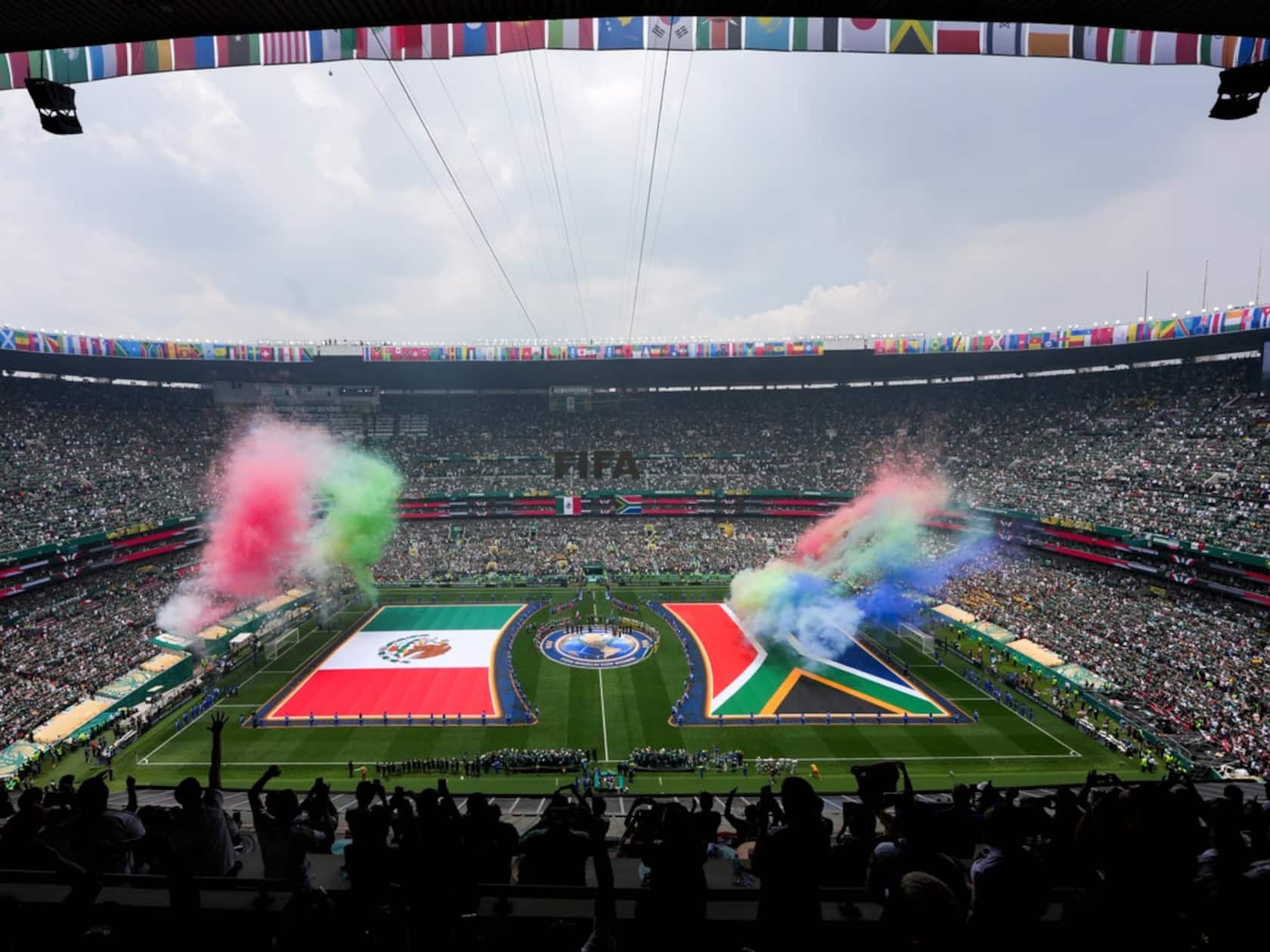
Let’s be real for a second: the World Cup needed a hero, and the suits in Zurich have been doing everything in their power to kill the magic. But then, right on cue, Mexico happened. And if you were watching the opening match of this 2026 tournament, you felt it—that jolt of raw, unfiltered passion that makes you remember why this sport matters in the first place.
According to multiple insiders close to the Mexican camp, there was a quiet but palpable anger in the locker room before kickoff. Not at the opponent, but at the tournament’s bloated format and the soulless, cash-grab decisions that have allegedly left many players feeling like pawns in FIFA’s corporate machine. “The guys were sick of hearing about New Jersey and 48-team chaos,” one source reportedly told us. “They wanted to remind everyone what this thing is supposed to feel like.”
The Azteca Roared Back—And So Did the Meaning of This Tournament
Let’s talk about the elephant in the room: the Estadio Azteca. This isn’t just a stadium; it’s a living, breathing museum of football history. Maradona’s Hand of God, Pelé’s coronation, that Carlos Alberto rocket—the ghosts of legends were absolutely rattling around those refurbished concrete stands. And from the moment the Mexican national anthem hit its final note, the noise was deafening. Sources close to FIFA officials reportedly described the atmosphere as “unsettling” for the suits, who allegedly prefer more sterile, sponsor-friendly venues.
But here’s the real drama: Mexico didn’t just win 2-0 against South Africa. They sent a message. The message? That football’s soul is still alive, and it’s living in the 7,200 feet of altitude that sucks the wind out of visitors. “The heat, the noise, the pressure—it’s a weapon,” one former Mexico international told us. “And they used it perfectly.”
Quiñones and Jiménez Deliver the Knockout Blows
Julian Quiñones, fresh off a top-scorer campaign in the Saudi Pro League, didn’t take long to remind everyone why he’s Mexico’s most dangerous weapon. In the ninth minute, a heavy touch from South Africa’s Sphephelo Sithole turned into a gift-wrapped opening goal—and the Azteca exploded. “It wasn’t pretty, but it was ruthless,” a European scout in attendance reportedly said. “That’s tournament football.”
Then came Raul Jiménez. The veteran striker, whose career nearly ended after that horrific skull fracture, scored an emotional second goal that had reportedly left some members of the Mexican bench in tears. “That was for everyone who counted him out,” a team insider told us. “He’s not just a player; he’s the heart of this squad.”
The Red Card Chaos and the Aguirre Gamble
Just when Mexico looked comfortable, César Montes picked up a late red card that has reportedly thrown the defensive depth chart into question. “Montes is a leader, but losing him for the next game is a serious problem,” a tactical analyst said. “Luis Romo is the likely replacement, but it’s a huge risk against a desperate opponent.” Manager Javier Aguirre, known for his tactical conservatism, is now allegedly facing pressure from within the federation to unleash the young guns.
That brings us to Gilberto Mora. At just 17 years old, he’s the youngest player at this World Cup, and sources say Europe’s biggest clubs are already circling. “He’s the future,” one insider claimed. “But Aguirre has to actually play him.”
The Format is a Joke, But Mexico Might Be the Punchline
Here’s the cold, hard truth that nobody in FIFA wants to admit: this 48-team, 32-day slog is an abomination. And the fact that the final will be played in MetLife Stadium—a sterile, corporate bowl in New Jersey—while the Azteca gets only a round-of-16 game is, according to one veteran journalist, “a crime against football culture.”
But Mexico doesn’t care about the politics. They care about winning Group A, and the numbers are reportedly on their side: a 94% chance of reaching the knockout stage. “Win the group, and you avoid the giants until later,” an analyst noted. “Lose it, and you’re looking at England in the round of 32. That’s the nightmare scenario.”
One thing is clear: Mexico has done exactly what they needed to do. They’ve put the world on notice that the World Cup still has a heart—and it’s beating loud and clear in the high-altitude chaos of Mexico City. Whether FIFA likes it or not, the beautiful game just reminded everyone who really owns it.
Leave a Comment