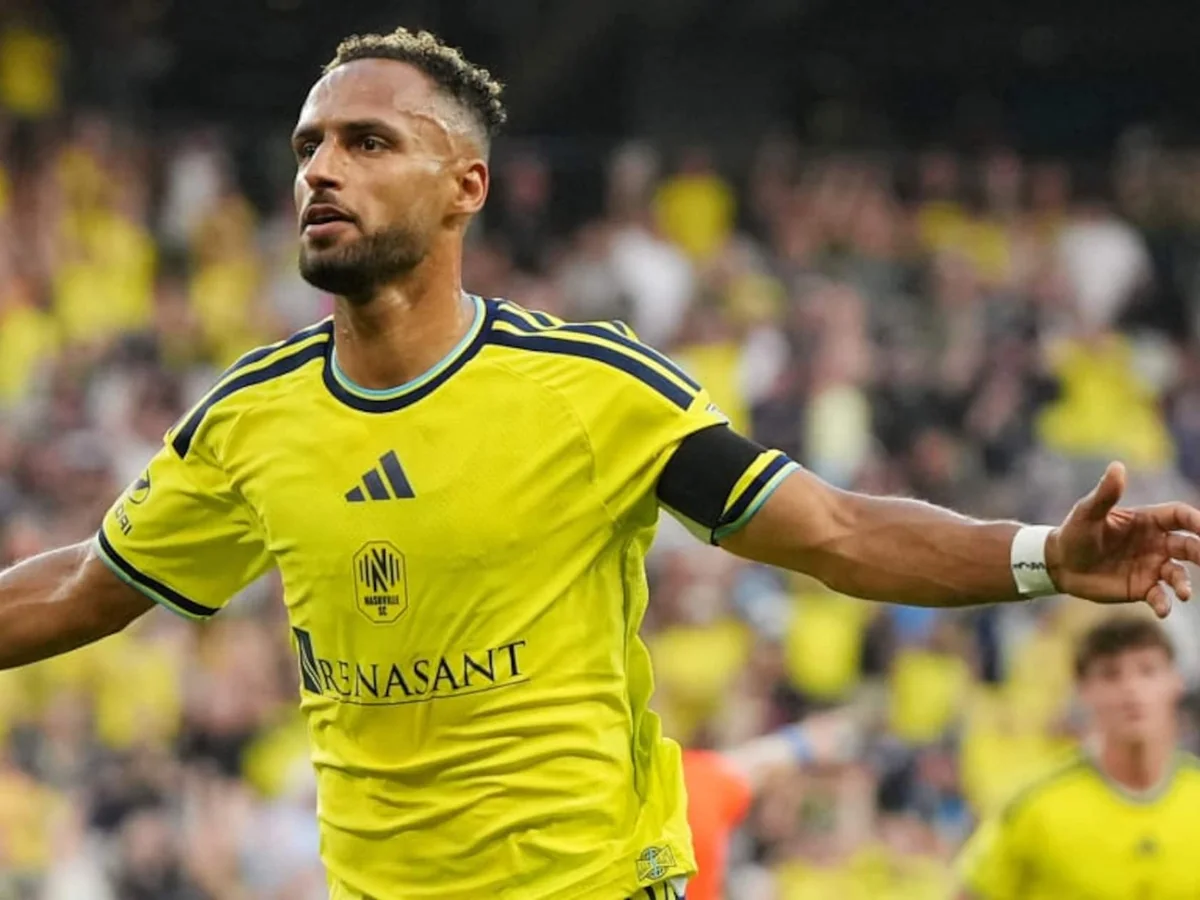
The World Cup is a massive party that packs up and leaves after a month. But soccer in this country doesn’t stop. And if you’re looking for something to latch onto beyond the national team, Major League Soccer offers something genuinely different from the leagues you see on TV at odd hours.
It’s not trying to be the Premier League. It’s not pretending to be La Liga. MLS is its own strange, uneven, wildly entertaining thing. And right now might be the best time to jump in.
Why the chaos is actually the point
Last season, Philadelphia finished first in the Eastern Conference. This year they’re dead last. San Jose finished 20th overall last season. Right now they’re tied for second place. Nobody can really explain it. That’s kind of the appeal.
In MLS, there are no guaranteed wins. No seasons you can pencil in before a ball is kicked. The salary cap keeps things volatile in a way that feels closer to college sports than the machine-like predictability of Europe’s top leagues. Teams rise and fall fast. You get attached to a group of players and suddenly half of them are gone or the whole thing collapses and rebuilds in a year.
When your team does hit that peak, it hits different. It feels earned because nothing was guaranteed.
The supporters groups are basically adult summer camp
Every MLS team has a supporters’ section that operates like a social club that also watches soccer. LAFC’s 3252, Portland’s Timbers Army, Atlanta’s supporters — these groups paint banners, play drums, organize community service and build genuine friendships around the team. It’s not just showing up and sitting down. It’s active involvement in a way that other American sports don’t really replicate.
You can stand in the middle of it and sing until you lose your voice, or you can appreciate it from a distance. Either way, the atmosphere is unique.
The Designated Player rule creates real drama
David Beckham’s arrival in 2007 created what people call the Beckham Rule. Teams can pay three players whatever they want without those salaries counting fully against the cap. That means Inter Miami has Messi. LAFC has Son Heung-Min. Vancouver has Thomas Müller. This summer alone, Chicago added Robert Lewandowski and Orlando grabbed Antoine Griezmann.
These guys aren’t in their primes, but they can still do things most humans can’t. And the DP tag puts a spotlight on them immediately. If they perform, they become local legends. If they don’t, they find out fast how passionate these fanbases can be.
You get to see the future up close
If you liked watching the USMNT or Canada at the World Cup, MLS academies are producing the next wave. Cavan Sullivan, Zavier Gozo, Julian Hall — these are teenagers you can watch develop in real time. The league is still a toddler compared to European leagues. It started in 1996. That means you can actually get in near the beginning of a story instead of jumping into something that’s been running for a century.
The soccer itself isn’t perfect. That’s part of why it’s fun. You get moments of breathtaking skill followed by complete chaos — a defender doing something inexplicable, a goalkeeper making a howler, a 19-year-old trying something insane that either works brilliantly or fails spectacularly. It’s the unpredictability that makes it compelling.
The community around MLS is still growing. Podcasts, Discord servers, independent sites, fan forums — there’s a grassroots energy to it all. It doesn’t feel corporate. It feels like people building something together.
Not everything works. But that’s fine. Being along for the ride is the whole point.
Leave a Comment