The Washington Wizards walked out of the 2026 NBA Draft with the best offensive prospect in recent memory, a rim-protecting big man they traded up for, and a stash of developmental upside. But the real story isn’t just the names on the card. It’s how this draft fits into a roster that suddenly looks ready to skip the rebuild entirely.
Anthony Davis and Trae Young are already in the building. That changes the timeline. The Wizards aren’t waiting around anymore. And their draft night moves — some bold, some conservative — reflect that new reality.
AJ Dybantsa at No. 1: The Kind of Pick That Changes a Franchise
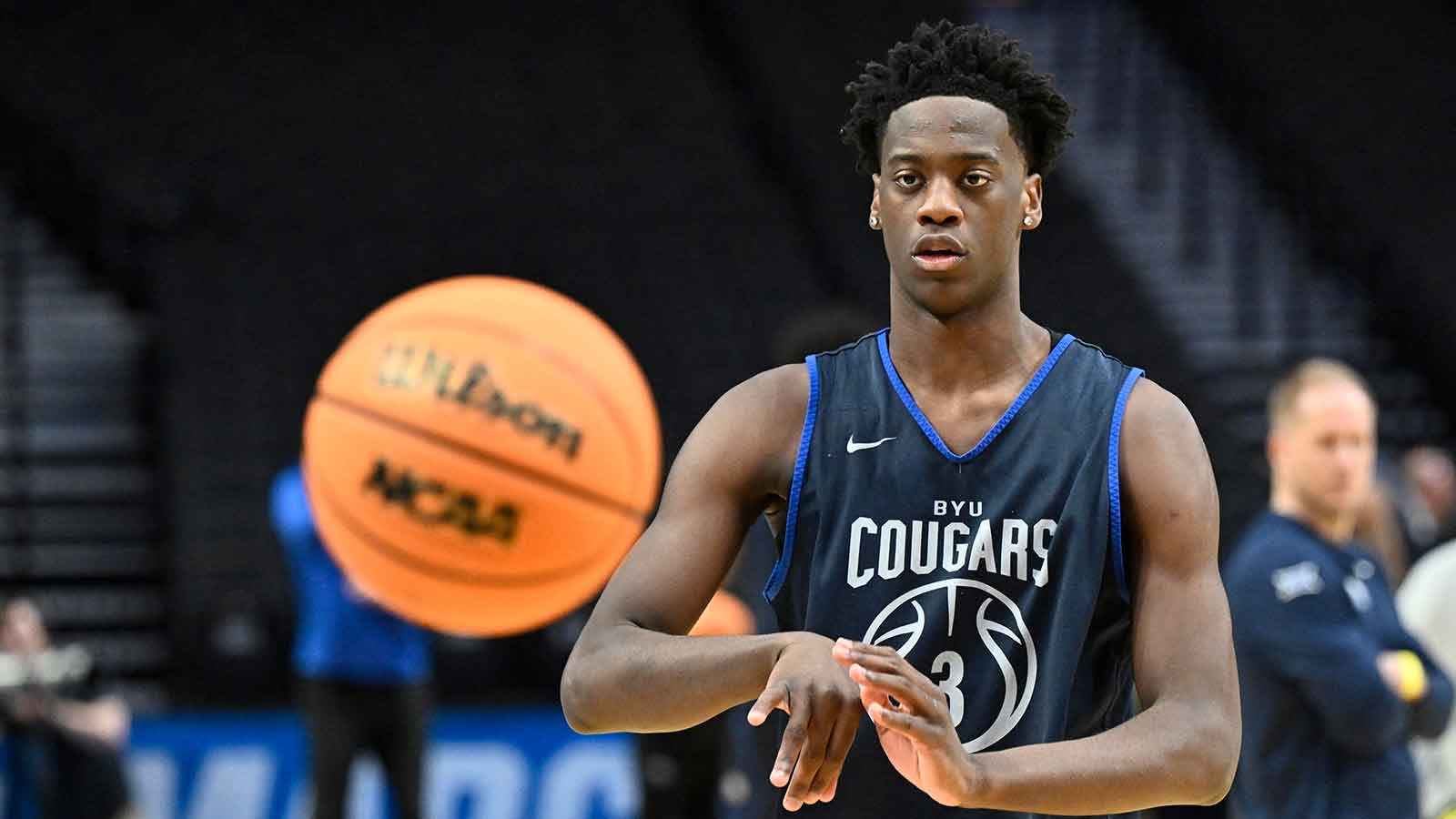
BYU’s AJ Dybantsa came into the draft as the clear headliner. The 6-foot-9 wing led the nation in scoring at 25.5 points per game and broke a BYU freshman scoring record that Danny Ainge had held for 48 years. He dropped 43 in one game and made it look routine.
The Wizards didn’t overthink this. They took the best player available, the guy scouts have been calling the most polished offensive prospect to enter the league in half a decade. Dybantsa steps onto a team that already has two established stars and a young core featuring Alex Sarr, Bilal Coulibaly, Kyshawn George, Tre Johnson and Will Riley. He doesn’t have to carry the franchise from day one. But he gives them something they haven’t had in years: a primary scorer who can create his own shot against any defense.
Grade: A+. You don’t get a chance at a player like this unless you’re picking first. The Wizards didn’t mess it up.
Felix Okpara at No. 46: Trading Up for a Defensive Safety Net
Washington sent a pair of future second-round picks to Orlando to move up and grab Tennessee center Felix Okpara at No. 46. The 6-foot-11 big man was a defensive anchor for the Volunteers, and the Wizards needed frontcourt depth in the worst way.
Okpara’s offensive game is still raw. He’s not going to space the floor or create much for himself. But he blocks shots, he rebounds, and he makes guards think twice before driving. On a team that now expects to win games, that kind of role player has real value. This pick feels like a pragmatic swing from a front office that knows exactly what it’s doing.
Grade: B.
Izaiyah Nelson at No. 51: Conference Player of the Year Falls to the Second Round
Izaiyah Nelson was a star at South Florida. He won both American Athletic Conference Player of the Year and Defensive Player of the Year, which tells you everything about his two-way ability. He’s a versatile forward who can play center in smaller lineups and guard multiple positions on the perimeter.
At 51, this is the kind of bet that wins front offices awards if it hits. Nelson needs time to adjust to the NBA game, especially offensively, but the defensive instincts are already there. Washington won’t need him to contribute right away. That’s fine. Long-term upside at this point in the draft is always worth the risk.
Grade: B-.
Malique Lewis at No. 60: A Stash-and-Ship Move
With the final pick of the draft, Washington selected Australian guard Malique Lewis and immediately traded his rights to Milwaukee. Lewis is 21 years old and has already played professionally in Australia, Spain and Mexico. There’s a real prospect here — he’s got size, skill and experience beyond his years.
But the Wizards didn’t draft him for themselves. This was a low-risk way to do a favor for the Bucks and clear a roster spot. Nothing more, nothing less.
Grade: C (but honestly, nobody scores big at pick 60).
Overall, Washington walked out of this draft with a potential franchise cornerstone, a ready-made backup big, a developmental forward with defensive chops, and a trade chip. The Wizards are no longer pretending to rebuild. They’re building a contender, and they did it without wasting a single pick.
Leave a Comment