
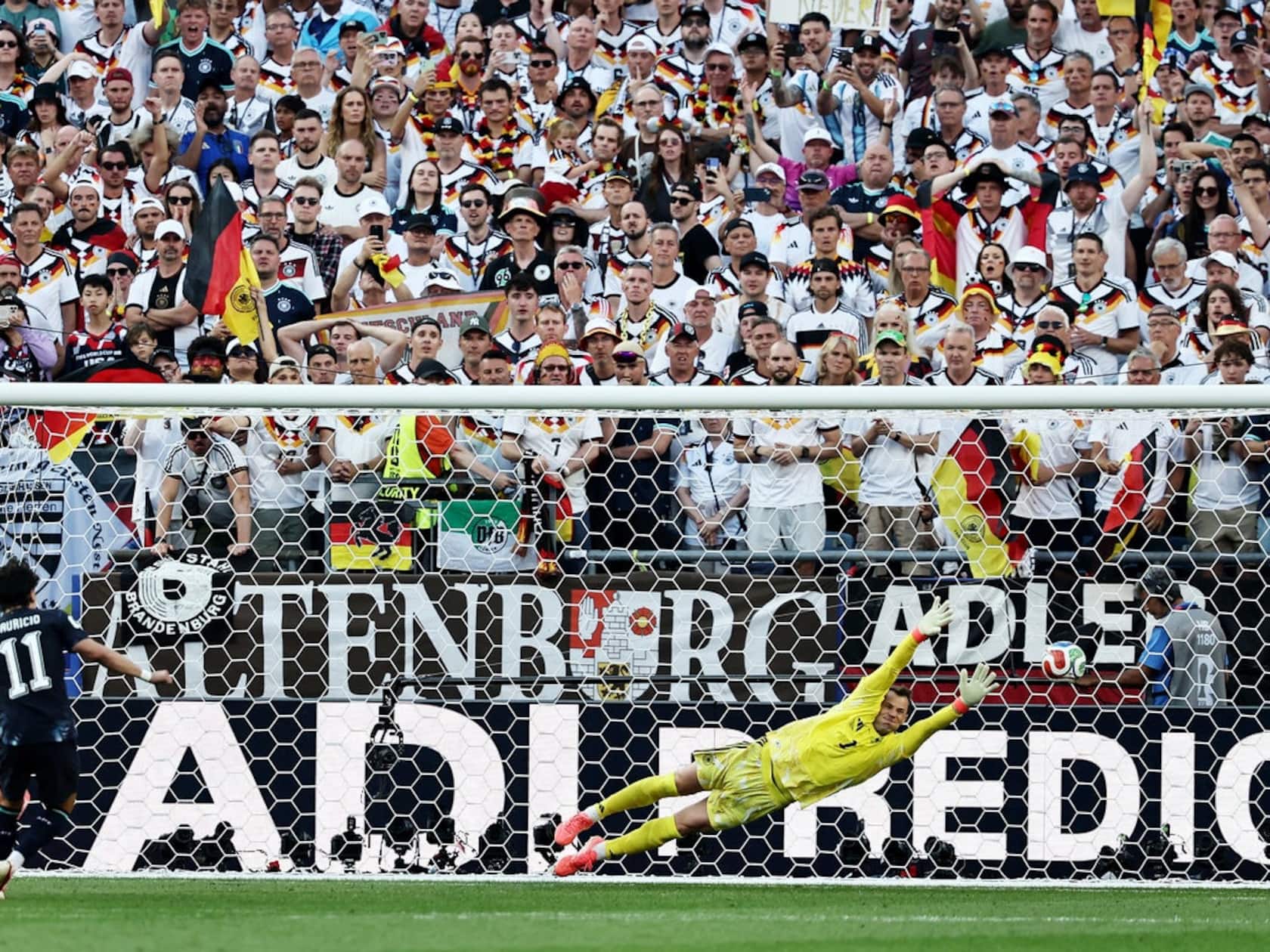
The knockout rounds of the 2026 World Cup delivered their first classic in Boston. Germany and Paraguay played to a 1-1 draw through 120 minutes, and that meant one thing: penalty kicks. For the first time in this expanded tournament, a round of 32 game went to the shootout. And it won’t be the last.
Penalty shootouts have been part of the World Cup since 1978, but they’ve become the sport’s great equalizer. Argentina won the 2022 final on spot kicks. Brazil lost that way in 1994. Italy did in 2006. The list goes on. You can dominate a game for 120 minutes and still lose in five kicks. That’s the beauty and the cruelty of it.
In 2026, with 48 teams and a round of 32, the odds of extra drama spike. More games mean more chances for exhaustion, more tired legs, more games that drift into the gray area where nobody can find a winner. Teams that haven’t prepared for the mental grind of penalties could get exposed quickly.
So how does it actually work this year? Here’s the breakdown.
The two coin tosses that nobody talks about
Before any penalty is taken, the referee flips a coin twice. The first toss decides which team shoots first. The second determines which end of the field the shootout happens at. FIFA has talked about simplifying this to one coin flip where the winner picks one thing and the loser gets the other, but that change isn’t happening at this World Cup. For now, it’s two tosses.
The format is simple but brutal
Each team takes five penalties, alternating shooters. Only players still on the field at the end of extra time can step up. That means substitutes who didn’t come on, or players who got subbed off earlier, are watching from the sideline.
If both teams score the same number after five rounds, it goes to sudden death. From there, each team takes one kick at a time. The first team to miss while the other scores loses. It keeps going until somebody blinks.
One rule that catches people off guard: no rebounds. If the goalkeeper saves a penalty, the play is dead. The shooter can’t chase down the loose ball and tap it in. And keepers have to stay on their line until the ball is struck. FIFA has been strict about that in recent tournaments. VAR can check if a keeper crept off the line early.
Lionel Messi missed a penalty during normal time in this tournament, by the way. It happens to the best. But in a shootout, one miss can end your World Cup.
Germany held its nerve against Paraguay. The next team that goes to penalties might not be so lucky.
Leave a Comment