
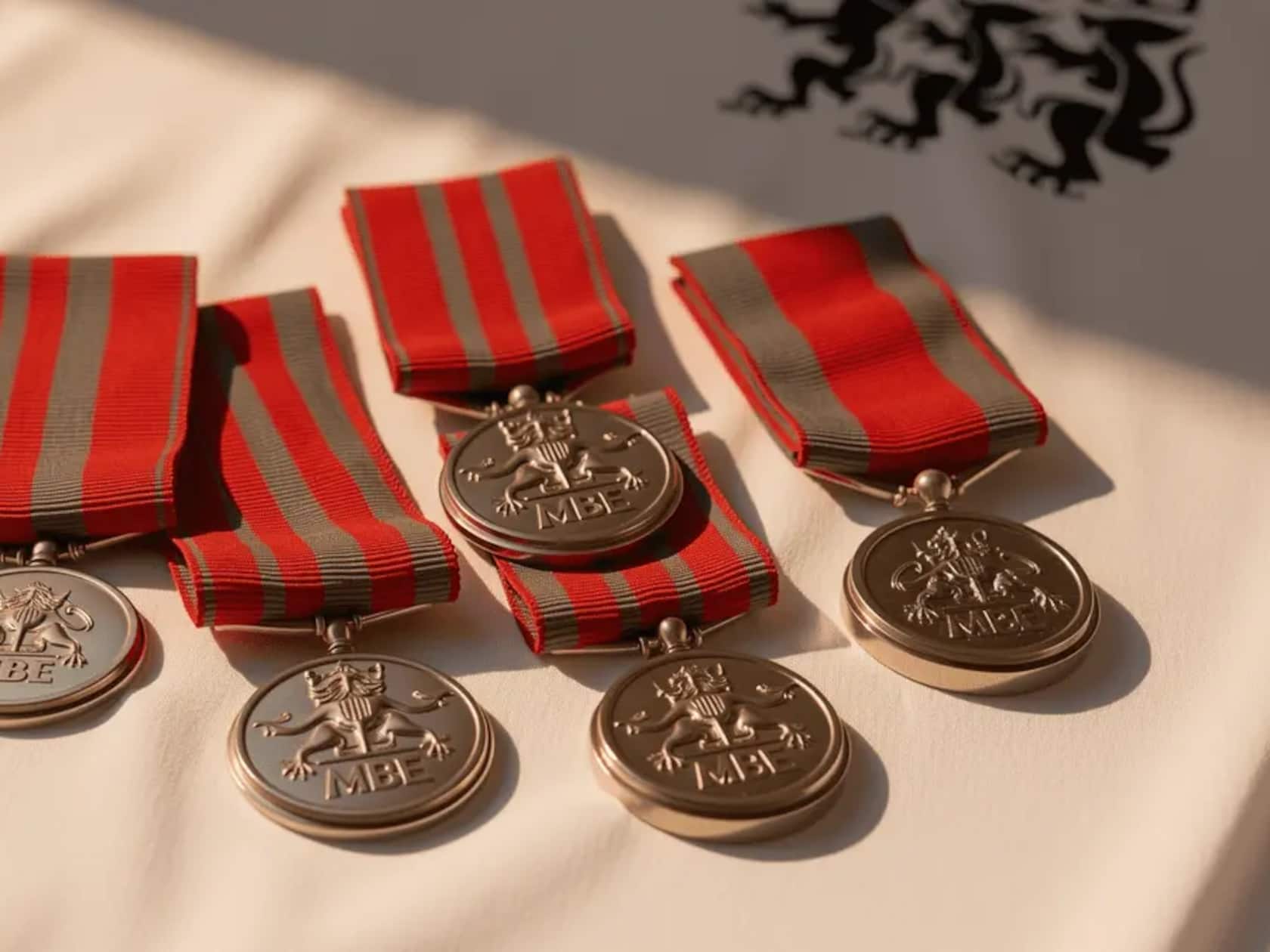
The King’s Birthday Honours list has arrived, and six members of England’s women’s national team are getting their due — officially, at least. Alessia Russo, Chloe Kelly, and Lauren James headline the group receiving MBEs, alongside goalkeeper Hannah Hampton, defender Jess Carter, and rising star Michelle Agyemang. The awards, confirmed by BBC Sport, recognize their role in England’s successful defense of the European title at Euro 2025 in Switzerland, where the Lionesses beat Spain in Basel to go back-to-back.
Why This Matters Beyond the Medals
This isn’t just a ceremonial pat on the back. The honours mark a shift in how the establishment views women’s football — and how slowly that recognition can arrive. After England’s Euro 2022 victory, only a handful of players and staff received honours, sparking criticism that women were being treated more cautiously than their male counterparts with similar achievements. This broader spread, six players deep, suggests the system is catching up, even if it’s taken another major title run to get here.
FA chair Debbie Hewitt praised the group, noting they were exceptional off the pitch as well as on it, helping inspire future generations. That matters because the conversation around these players isn’t just about goals and trophies. It’s about visibility, leadership, and the weight they now carry in English football culture.
The Players and What They Represent
Russo’s inclusion feels almost inevitable at this point. She was voted England Women’s Player of the Year for 2023-24, and her influence now goes beyond scoring — she’s a reference point for how both club and country build their attacks. Kelly’s case is different but equally clear: she’s been a symbol of Euro 2022 success and remains a decisive figure in big moments. James is the pure talent piece, the kind of player who defines conversations about England’s ceiling.
Hampton, Carter, and Agyemang broaden the picture. Hampton’s rise highlights how visible goalkeeping has become in the women’s game, especially after Mary Earps’ high-profile move to London City Lionesses. Carter’s honour is about reliability and tournament grit rather than flash. Agyemang, at 20, signals how quickly young players can become part of the national story when performances force the issue.
One Step Forward, a Question About Pace
Honours can flatten athletes into symbols. This group resists that — it recognizes different kinds of contribution, from star power to steady leadership to rapid emergence. But the harder question is why it took another title run for this wider group to get formal recognition. According to reports from outlets like The Independent, there’s been a ongoing debate about women athletes being overlooked in state honours compared to men. The latest list places these Lionesses alongside major figures in British public life, which is itself a marker of changed status. Still, it’s delayed progress, not seamless evolution.
England now moves into Euro 2027 qualifying, with several of these players central to selection debates and tactical planning. The MBEs will also boost their roles in grassroots initiatives and FA campaigns — fair enough, as long as the symbolic burden doesn’t become the only one they carry. This honour reflects where the Lionesses stand in British sport. The next step is making that feel normal, not noteworthy.
Leave a Comment