
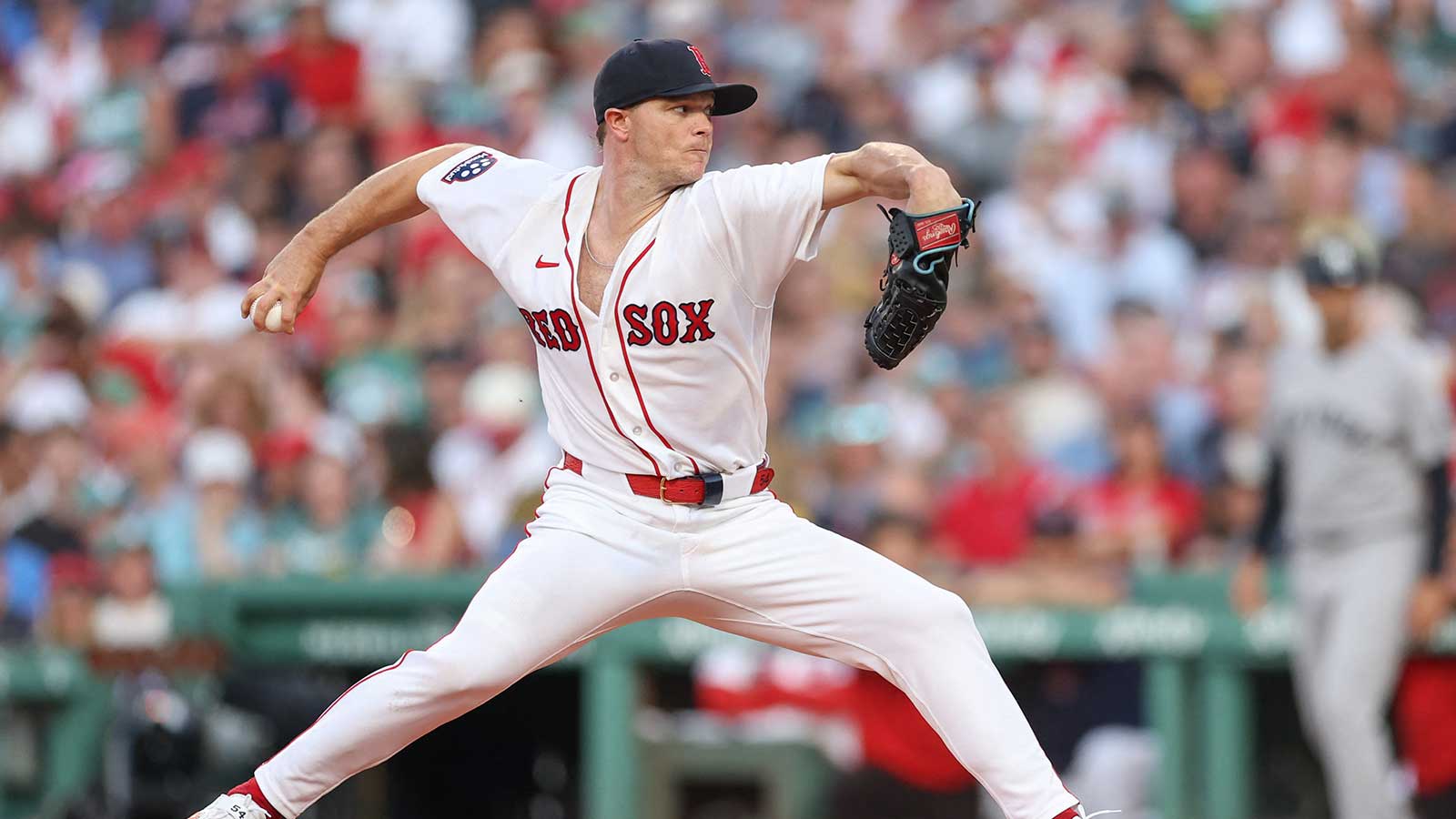
The Boston Red Sox just swept the New York Yankees. That’s the kind of thing that makes people wonder if this team could actually make a run. But let’s not get carried away.
Boston is 37-48. They’re in last place in the AL East, 14 games back of Tampa Bay. They’re six games out of a Wild Card spot. The math isn’t complicated, even if the emotions are.
The front office hasn’t decided yet whether they’ll buy or sell before the trade deadline. According to league sources, they’re going to watch how the next couple of weeks play out before committing to a direction. That sweep of the Yankees definitely shifted some conversations internally. But one good series in July doesn’t change the underlying reality of this roster.
What Selling Would Actually Look Like
If Boston decides to sell, it doesn’t mean they’re blowing it up and starting over. They’ve got pitching depth. That’s not the issue. The issue is balance. They’re young in some spots and old in others, and the pieces don’t fit together like a contender’s should.
The obvious trade candidates are veterans like Aroldis Chapman and Sonny Gray. Both could bring back real value. Willson Contreras is a tougher call. He’s probably less likely to move, but if they did trade him, the return would be massive. Catchers who can hit don’t grow on trees.
Buying Feels Like a Reach
Could the Red Sox buy and try to chase down a Wild Card spot? Sure. They have more talent than most bad teams. But that’s not saying much. The wild card race is crowded, and Boston isn’t exactly knocking on the door. They’d need to add multiple pieces just to get into the conversation, and that’s a risky bet for a team that’s already 15 games under .500.
The Mets are in a similar spot, but they play in a deeper National League and are almost certain to sell. Boston might look at that and think, well, if they’re selling, maybe we should buy and sneak in. That kind of thinking is how you end up stuck in the middle for years.
The Smart Play Is Clear
Selling doesn’t mean tanking. It means re-tooling. Trade a couple of veterans, stock up on prospects or young big-league talent, and come back next year with a more balanced roster. The goal would be to seriously compete in 2027, not just barely squeak into October this year.
What will they actually do? Nobody knows yet. But if they’re smart, they’ll sell without going into a full rebuild. That’s the move that makes the most sense. Whether the organization has the patience for it is another question entirely.
Leave a Comment