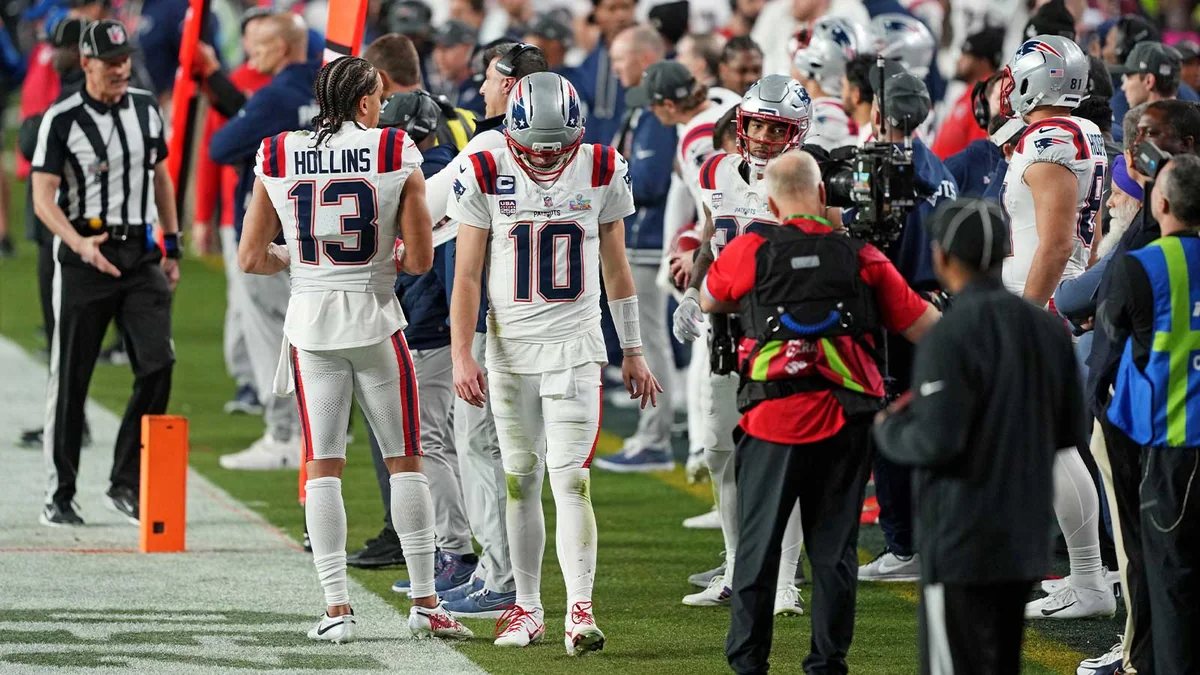
The New England Patriots finally look like they know what they’re doing again. After years of wandering through the post-Brady wilderness, the offense has a real young quarterback in Drake Maye and just added A.J. Brown, a legitimate No. 1 receiver. ESPN’s Bill Barnwell even backed up Tom Brady’s take that Brown might fit Maye’s game better than he did Jalen Hurts, especially with New England leaning into play-action over the middle. That’s the kind of optimism that’s been missing around Foxborough for a while.
But here’s the thing that should give anyone pause before booking Super Bowl tickets. Adding another star pass catcher doesn’t fix everything. And the Patriots still have a problem that could quietly wreck the whole operation.
The offensive line.
It’s not flashy. It doesn’t sell jerseys. But go back and watch any playoff game from the last decade. The teams that win in January are almost always the ones that win in the trenches. The Patriots have invested real draft capital and money into rebuilding that line, but investing and actually getting results against elite competition are two different things. Continuity takes time. Communication across five spots has to be nearly flawless on every snap, and that kind of chemistry doesn’t happen overnight.
Protection issues are easy to hide against bad teams. They show up in a brutal way when defensive coordinators start disguising blitzes and rotating coverages late. One missed assignment and a drive that looked promising is suddenly dead. The margin for error shrinks fast in the postseason.
This gets even more concerning when you factor in who’s standing behind center. Maye has shown impressive pocket awareness and the ability to create when things break down. But that’s not a license for shaky blocking. Quarterbacks who constantly have to bail from clean pockets take extra hits over a long season. Eventually, that punishment catches up. Even the best passers start seeing ghosts, rushing throws they should hold, checking down when they should be throwing deeper, losing the footwork that makes them effective in the first place.
There’s a secondary effect that doesn’t show up on stat sheets. When coaches stop trusting the line, the playbook shrinks. Deep routes get cut because the quarterback won’t have time. Running backs stay in to block instead of releasing as receivers. Tight ends chip defensive ends instead of running routes. Suddenly, all that offensive firepower becomes theoretical because the ball can’t get where it needs to go.

Brown’s presence changes how defenses prepare, no question. His physical style and route running force secondaries to make tough decisions before the snap. That’s real value. But elite receivers can’t do anything until the quarterback finishes his drop, and that starts with protection. Same goes for the running game. If linemen aren’t winning at the point of attack, explosive plays become more about individual brilliance than sustainable execution. The best teams don’t rely on magic every week. They just operate efficiently, snap after snap.
The good news is offensive line chemistry often improves as the season goes on. Experience matters. Communication gets sharper, trust develops. If that happens quickly, the Patriots could be dangerous. If it doesn’t, all the other upgrades become secondary concerns.
The AFC is loaded with teams that can generate pressure without blitzing. They can make quarterbacks uncomfortable while dropping extra guys into coverage. That’s a nightmare for an offense still searching for consistency up front. The Patriots have the pieces. They just need to prove they can keep Maye upright when it matters most. Until they do, skepticism about their Super Bowl chances isn’t unreasonable.
Leave a Comment