
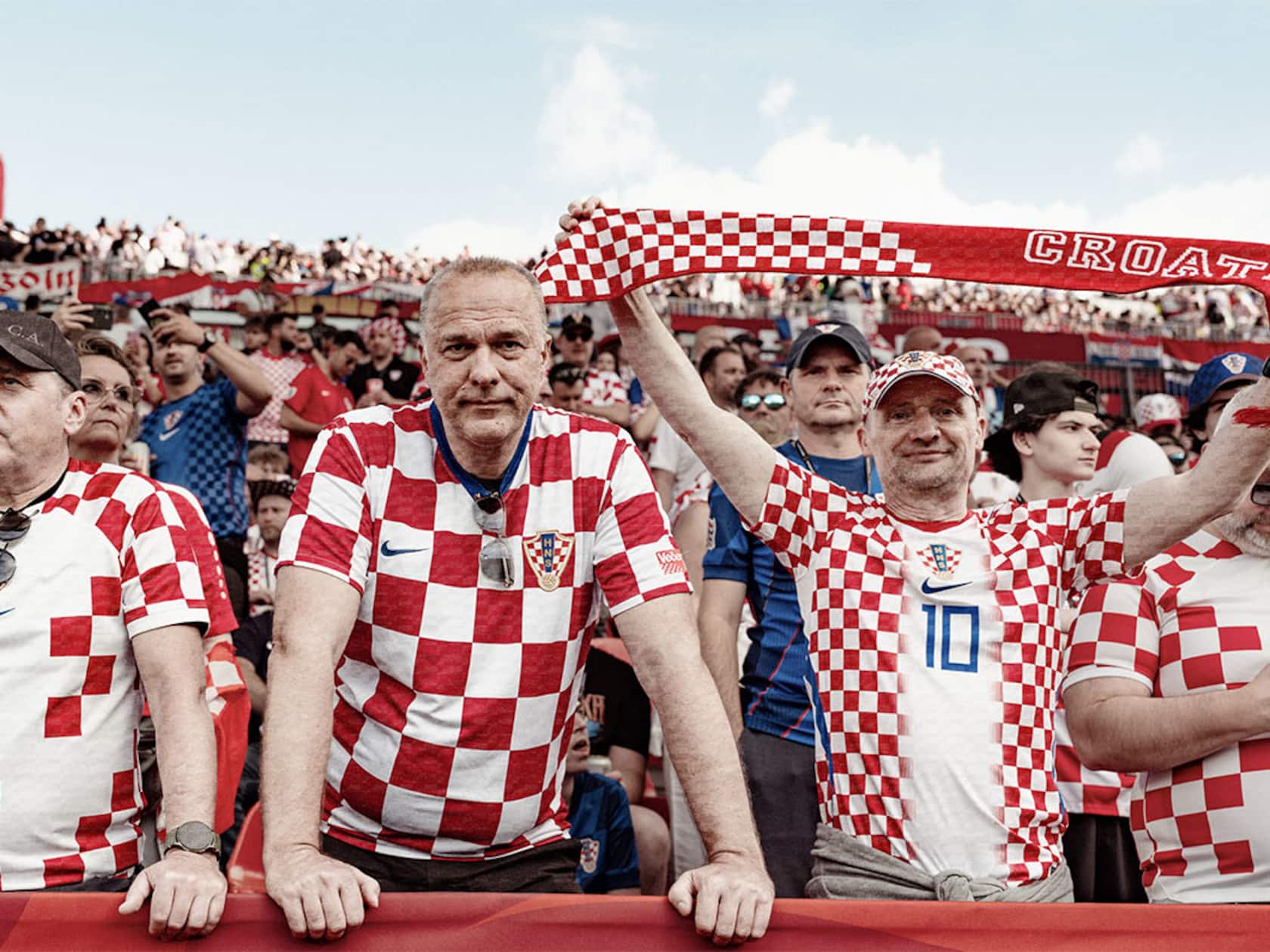
TORONTO — The noise hit you before you even got to the gates. By the time Croatia kicked off against Panama in the group stage of the 2026 World Cup, Toronto Stadium sounded less like a neutral venue and more like someone had airlifted a section of Zagreb into Ontario.
That’s because for the thousands of Croatian-Canadians who packed the stands, this wasn’t just a game. It was a family reunion, a cultural rally, and a reminder of everything it took to get here.
More than a crowd
Canada is home to over 130,000 people of Croatian descent, and a huge chunk of them live in and around Toronto. The city has become the unofficial capital of Croatian diaspora life in North America, where traditions that survived war and migration are passed down through generations. And few traditions hit like football.
I grew up playing in the Greater Toronto Area, mostly in Brampton. I saw firsthand how Croatian clubs shaped local pitches and youth leagues. It’s not something tacked onto the culture. It is the culture, or at least one of its loudest voices.
For Croatian-Canadians, the national team represents more than a roster of players. It’s a thread connecting a country that didn’t even exist in its current form until the 1990s. One fan at the match told me: “Croatian football is a unifying force. Especially after coming through the breakup of Yugoslavia and the Civil War, it united people and gave some hope and inspiration. The things this small country has been able to do on the biggest stage in football — it’s tremendous.”
A golden generation, on the field and off
This is a golden generation for Croatia, no question. A runner-up finish in 2018. Third place in 2022. Now in 2026, the squad still features Luka Modrić at 40, Ivan Perišić at 37, along with stars in their prime like Joško Gvardiol and younger talents like Petar Sučić and Luka Vušković. The blend is real.
Another fan summed up the mood: “To us, the players are fantastic. We’re very proud of them, how they work. I love Modric. Look at his age. Look what he’s doing. In the last World Cup, we came in third. Before that, second. So let’s go for number one.”
That kind of talk isn’t just wishful thinking. It’s the same attitude that built community centers and soccer clubs across Ontario when families arrived with nothing.
Toronto woke up
Toronto doesn’t always get its due as a football city, but nights like this change the conversation. Ivan Grbešić, a board member of the Canadian-Croatian Chamber of Commerce, put it simply: “Toronto is unique because this is not simply a host city.”
He’s right. For Croatian-Canadians, Toronto is home base. The diaspora here isn’t scattered — it’s connected. And on match day, that connection became impossible to ignore.
The game itself was just 90 minutes. But the feeling in the stadium — the flags, the chants, the families sharing stories between halves — that’s what will last. Under the lights, with thousands of voices rising together, Toronto didn’t feel like a host city. It felt like part of Croatia itself.
Leave a Comment