
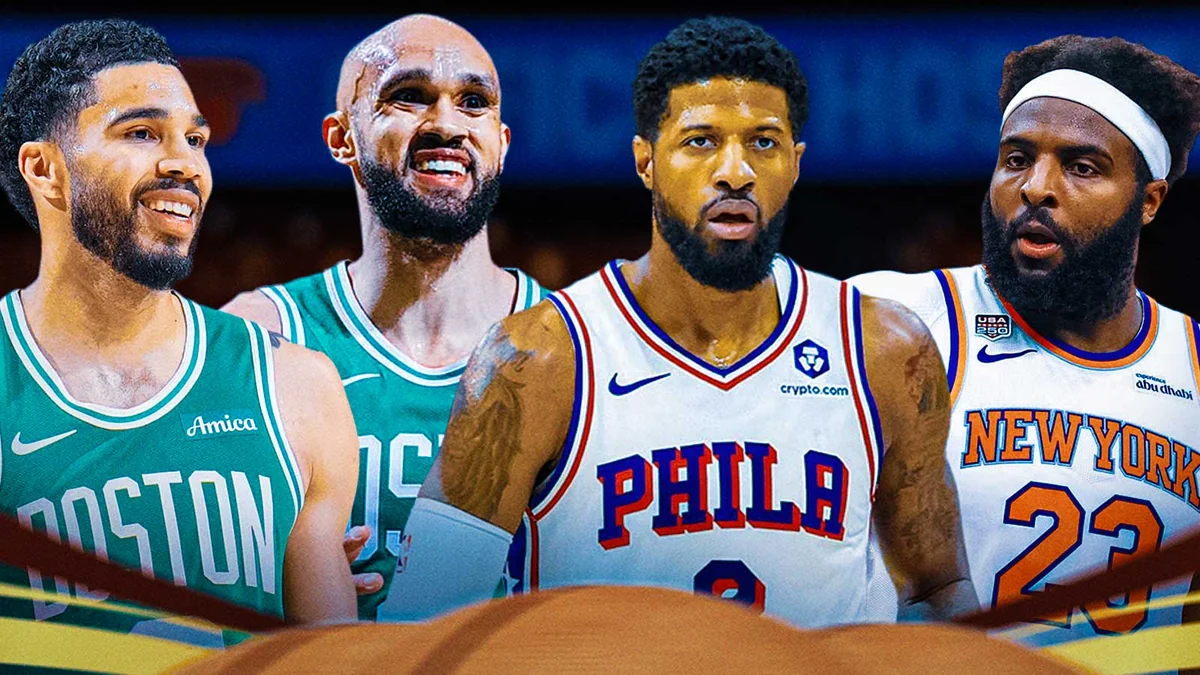
The Boston Celtics spent this offseason making moves that felt more like a panic button than a calculated chess play. And the decision that stings the most is the one that sent Jaylen Brown to the Philadelphia 76ers.
Let’s be clear about what happened. After striking out on Giannis Antetokounmpo, Boston pivoted fast. Too fast, maybe. They traded Brown, a 2024 Finals MVP and All-NBA wing still in his prime, to a team that just knocked them out of the playoffs in seven games. In return they got Paul George, some protected first-round picks and a whole lot of questions.
That trade doesn’t exist in a vacuum
Boston also signed Mike Conley for veteran presence and gave Mitchell Robinson a three-year deal to shore up the paint. On paper each move made some kind of sense. Together they represent a full philosophical shift from five-out spacing and elite wing play to something more traditional. More expensive in terms of what they gave up. Less proven.
The front office will tell you the new CBA made this inevitable. Two supermax contracts for Jayson Tatum and Brown would have choked the books for years. That’s true. But championship windows are rare and fragile. Breaking up a core that controlled the Eastern Conference a year ago because of financial projections is a dangerous gamble.
Philadelphia now has Brown and whoever else they pair him with. Boston has a 36-year-old George coming off an inconsistent season, a center who can’t shoot and a front office hoping Tatum recovers fully from a torn Achilles. That’s a lot of optimism for one roster.
Spacing was Boston’s superpower
The Celtics overwhelmed opponents by spreading the floor and letting Tatum, Brown, Derrick White and Jrue Holiday attack open lanes. Robinson changes that equation. He’s a beast on the boards and protects the rim like few others, but he clogs the paint. Defenders can collapse now. The entire offensive ecosystem shifts.
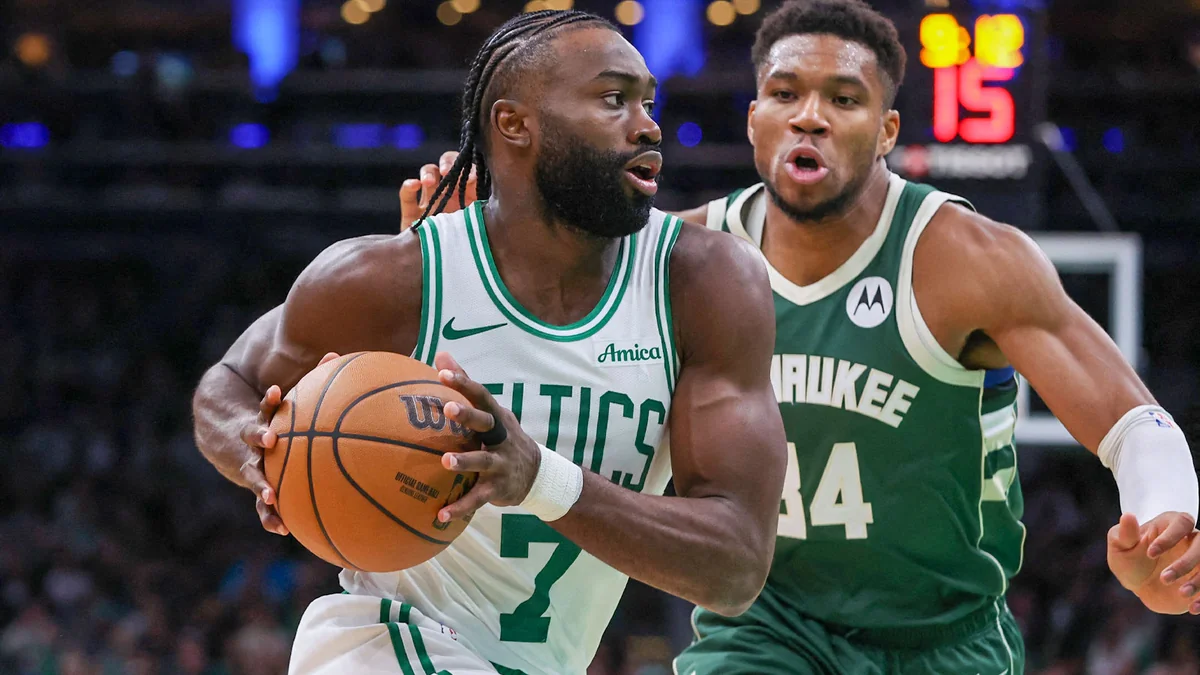
Younger guys like Baylor Scheierman suddenly have bigger roles. Veterans have to adjust to a system that looks nothing like the one that got them to the Finals. Continuity mattered here. Boston chose upheaval instead.
What the Celtics lost might be bigger than cap space
There’s a scenario where this works. George still has basketball IQ. Robinson fills a real defensive hole. Conley brings steadiness. But that scenario requires everything to break right at the same time. Philadelphia’s scenario just requires Brown to keep being Brown.
The Celtics made a bold bet. It might pay off. But trading a prime two-way star to a direct rival after one disappointing postseason? That’s the kind of move that defines eras. Not always in the way teams hoped.
Leave a Comment