
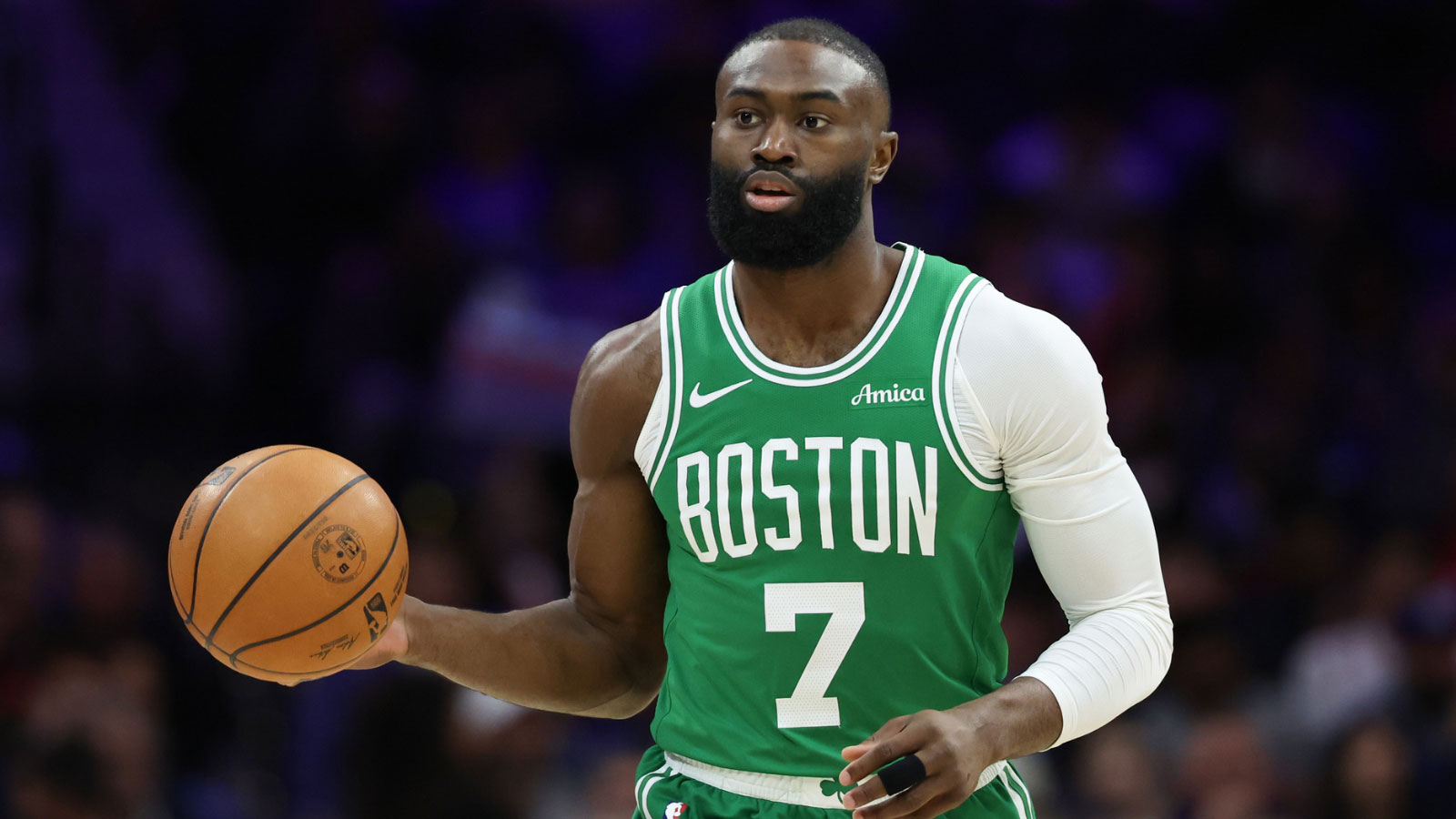
The Boston Celtics traded Jaylen Brown to the Philadelphia 76ers for Paul George and a pile of draft picks. The NBA world reacted like somebody set off a fire alarm in a library. People screamed. Others just stared. But then a stat resurfaced that made the whole thing make a little more sense.
Tom Haberstroh of Yahoo Sports pulled the number. Over Brown’s entire career, the Celtics went 90-36 in games he didn’t play. That’s a .714 winning percentage. In the last three seasons alone? They were 36-6. That’s an .857 clip, which projects to roughly 70 wins over a full season. For context, the 2015-16 Warriors went 73-9.
Now, nobody is saying Brown is a bad player. He won Finals MVP in 2024. He averaged 28.7 points, 6.9 boards and 5.1 assists last season while carrying the offense for long stretches without Jayson Tatum. But the Celtics also went 56-26 without Tatum for extended time. The roster around those two guys was just that deep.
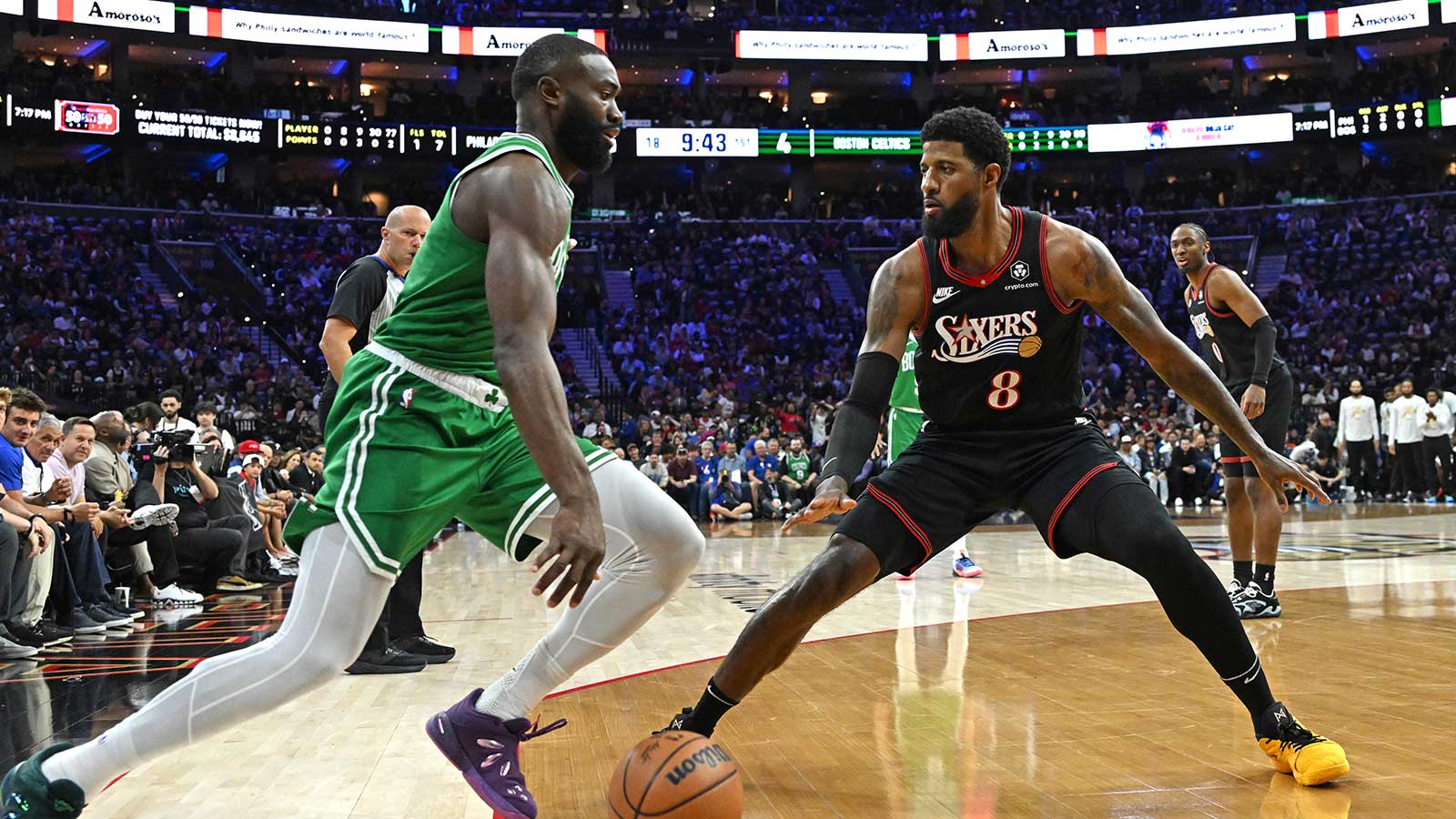
The real issue? Money. Brown’s contract pays him $57 million next season. Brian Windhorst at ESPN put it bluntly. The stat that matters most isn’t about Brown’s talent. It’s about his value relative to his salary. Payton Pritchard, for example, makes $7 million. The difference in production doesn’t come close to matching the difference in pay. The league’s new collective bargaining agreement, with its draconian apron rules, basically forces teams to squeeze every dollar. The Celtics decided Brown wasn’t worth that squeeze.
Front Office Math vs. On-Court Reality
Not everybody agrees with the decision. Windhorst reported that league insiders are split. One Eastern Conference scout said the league is overrun with strategy and wondered how many people in front offices actually watch games. A Western Conference GM fired back, saying the aprons force teams to analyze every dollar and that owners and players both agreed to the rules. This is the system they built, he said. This is a choice.
The Celtics are betting that Paul George, two first-round picks and two second-round picks give them more flexibility than one max-contract star. They’re betting the system favors depth over top-end talent at that price. Maybe they’re right. Maybe they’re wrong. But they didn’t make this move on a whim. They looked at the data, looked at the cap sheet, and decided the math works better without Brown than with him.
Whether the basketball holds up the same way is a question for next season. For now, the numbers speak for themselves. The Celtics were really good without Brown. They’re about to find out how good.
Leave a Comment