
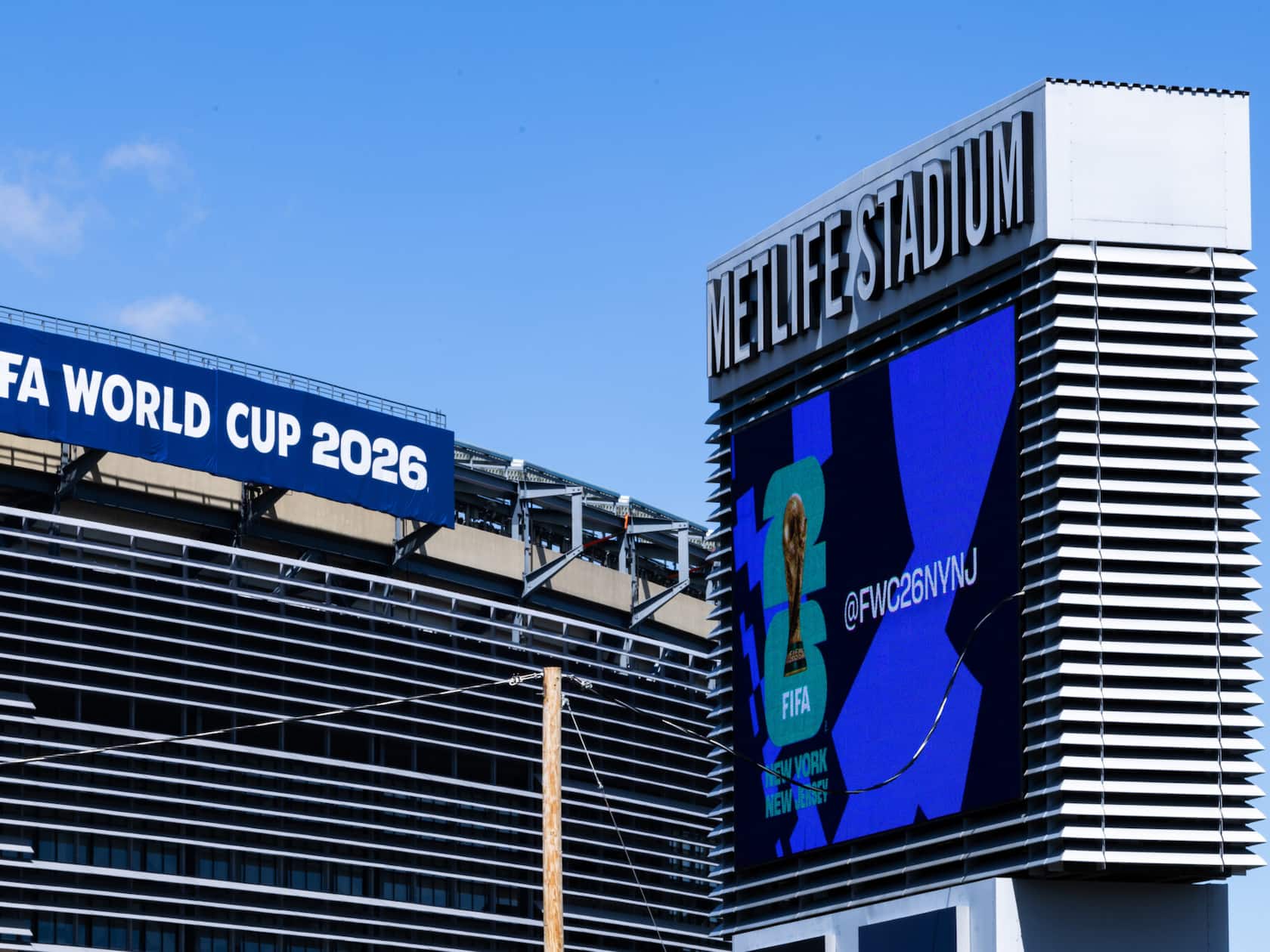
The 2026 FIFA World Cup will be the largest ever staged — 104 matches, 16 venues, three countries — but the most interesting story isn’t the expanded format. It’s the stark divide between stadiums that can lock out the summer heat and those that can’t.
Three venues — Mercedes-Benz Stadium in Atlanta, AT&T Stadium in Dallas, and NRG Stadium in Houston — are equipped with retractable roofs and industrial-scale air-conditioning systems that can turn a July afternoon into a climate-controlled bubble. The other 13 grounds, including the final host MetLife Stadium in New Jersey and the historic Estadio Azteca in Mexico City, will rely on open-air conditions, shade canopies, and a new FIFA hydration break rule to keep players safe.
That split is more than architectural trivia. It represents a practical test for how mega-events handle extreme heat, and it builds directly on lessons from Qatar’s 2022 tournament, where seven of eight stadiums used spot-cooling technology to keep pitch temperatures in the low 20s Celsius even when outside air hit 35 degrees. Qatar deliberately left its cooling patents unpatented, according to stadium engineers, so future hosts could adapt the systems. The 2026 organizers took them up on it.
In Atlanta, the stadium’s eight-panel camera-aperture roof can seal the bowl completely. In Dallas, twin sliding roof panels and giant end-zone doors let operators choose between an indoor feel and a more traditional outdoor experience depending on the Texas weather. Houston’s NRG Stadium closes up tight when the Gulf humidity spikes. All three use cooling systems designed to regulate both temperature and humidity across the seating bowl and the pitch.
But even those venues won’t skip the new hydration protocol. FIFA has mandated a three-minute stoppage near the 22nd minute of each half for every match — no exceptions. That replaces the old system where officials only called cooling breaks when the wet-bulb globe temperature hit about 32 degrees Celsius. The new rule simplifies enforcement and puts player welfare first, regardless of whether the stadium has a roof.
The numbers behind these venues are staggering in their own right. MetLife Stadium, which opened in 2010 at a cost of roughly $1.6 billion, will host the final on July 19. According to a FIFA-aligned venue guide, the New York-New Jersey region could see an economic impact of about $3.3 billion from its eight World Cup matches alone. In Vancouver, BC Place underwent a $563 million renovation in 2011 to install its cable-supported retractable roof — a reminder of how World Cups can accelerate stadium modernization.
Behind the glitz is a clear design philosophy shift. The 2026 venue mix — three fully climate-controlled arenas and 13 largely open-air grounds — signals where stadium architecture is heading: retractable roofs, targeted cooling, and flexible configurations that work for both World Cups and domestic leagues. The question now is whether that hybrid model becomes the standard for future tournaments, or whether the three air-conditioned giants remain outliers in a sport that has always been played outside.
Leave a Comment