
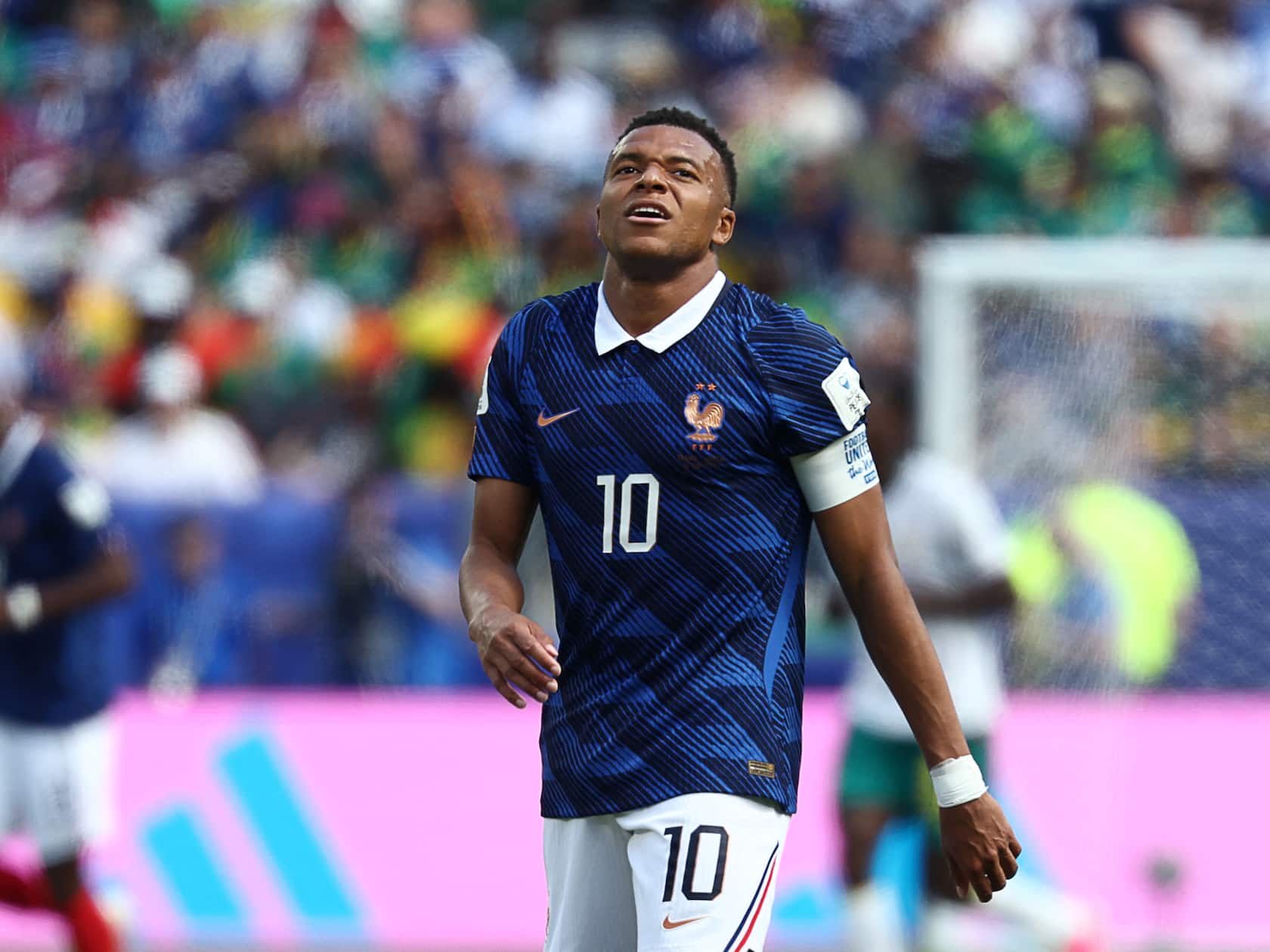
France entered the 2026 World Cup as one of the tournament co-favorites, armed with Kylian Mbappé, a surgically precise attack, and enough depth to make most opponents flinch. Then the first half against Senegal happened — and the numbers say it wasn’t just bad. It was historically toothless.
The Stat That Stings
According to data from ‘The xG Philosophy’, France generated an expected goals (xG) value of just 0.02 in the opening 45 minutes against Senegal. For context, Cape Verde — a massive underdog that most casual fans couldn’t place on a map — posted 0.04 xG in their match against Spain the day before. That means the reigning European power, with its galaxy of stars, produced half the threat that the tournament’s smallest team managed against a top-tier opponent.
Fans online noted the irony immediately. One social media post racked up thousands of shares with a simple caption: “Mbappé & Co. more toothless than Cape Verde.” It stings because it’s true.
No Threat, No Excuses
The French attack looked disjointed, predictable, and alarmingly passive. Despite controlling possession for long stretches, they failed to create a single clear-cut chance in the first half. Senegal nearly scored twice on the counter, exposing a defense that seemed caught between pressing and sitting back. If not for a few sharp moments from the Senegalese defense — and one last-second intervention by Mendy on a second-half chance from France’s Real Madrid striker — the scoreline could have looked very different.
France’s coaching staff has not publicly addressed the stat, but the team’s body language told its own story. Mbappé spent much of the half with his hands on his hips, looking for runners that never came. The midfield struggled to connect passes into dangerous areas. It was the kind of half that gets circled in tournament retrospectives if the team doesn’t turn things around quickly.
Second-Half Adjustments Offer Hope
Things did improve after the break. France looked more urgent, created a handful of decent looks, and avoided what would have been a disastrous result. But the question lingers: if you can’t generate offense against Senegal, what happens when the knockout rounds pit you against England, Brazil, or Argentina?
The underlying numbers suggest France’s attack is not broken — the talent is still there. But the system, the spacing, and the decision-making in the final third all need a dramatic upgrade. Fans expecting a smooth march to the final might want to buckle up. If the first half against Senegal is any guide, this French team has a lot more to prove than its reputation suggests.
Leave a Comment