
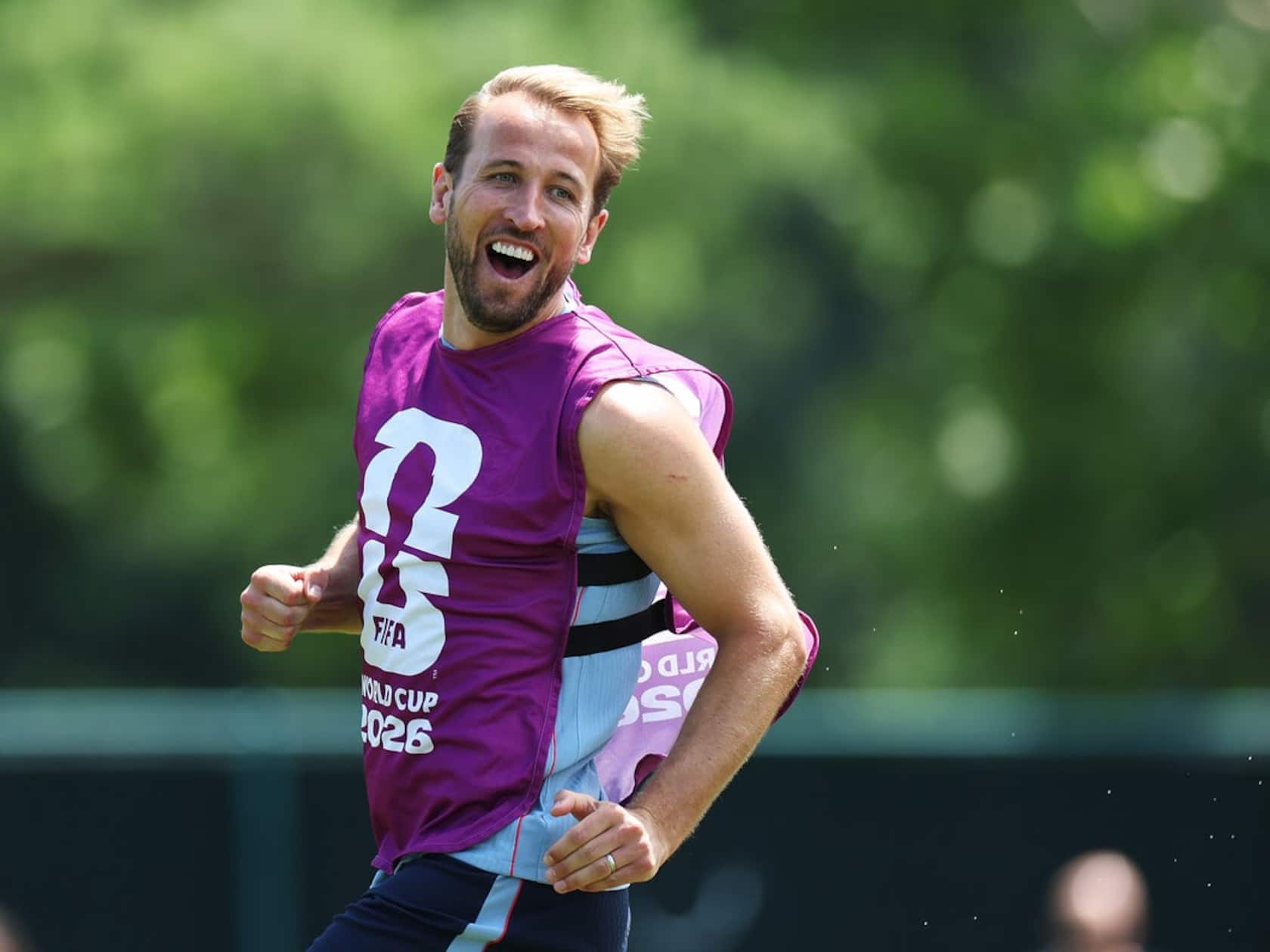
Kansas City, Missouri, is not usually where World Cup destinies are whispered into existence. But on the first night England’s squad settled into their boutique base, a ferocious storm rolled in with tornado warnings, the NBA Finals were tipping off, and Scotland had just scraped a 1-0 win over Haiti. For a few superstitious players, the convergence of chaos and coincidence felt like a sign.
When the New York Knicks ended a 53-year championship drought by beating San Antonio 94-90, England players were jumping around the room. One of them pointed out the parallels: the constant noise around a storied franchise, the decades of near-misses, the tension of a long-awaited breakthrough. Arsenal’s Premier League title win was referenced too. As superficial as that sounds inside a training camp, those moments can crystallize belief. For a team that has carried the weight of 1966 like a ghost, a little starlight matters.
The math that doesn’t add up
Let’s be blunt: England’s trophy drought is absurd. One of the wealthiest football cultures in the world, a population of almost 60 million, a talent infrastructure overhauled to match France, Spain, and Germany — and still only one major trophy in six decades. Spain and France have each won multiple titles through two separate cycles since their own revolutions. By sheer law of averages, England should have stumbled into glory by now. The banners at the Kansas base reading “Route 66” are equal parts cheeky branding and melancholy reminder.
The FA followed the European blueprint: invest in coaching, build elite academies, hire a winner like Thomas Tuchel. But transformation doesn’t guarantee the bounce of a ball. Gareth Southgate’s 2022 squad played better football than any England team since 1966, yet went out in the quarterfinals to France on a Harry Kane penalty miss. That’s not structural failure. That’s knockout football being cruel.
Tuchel’s edge and the same old problem
Nobody around the camp questions whether Tuchel is a winner. That’s a shift from the Southgate era, where tactical caution often undercut ambition. According to one experienced figure close to the setup, England finally have a coach who has succeeded in high-stakes knockout football and can instill confidence from authority. The tactical approach is more sophisticated, the doubt is quieter.
But Tuchel still faces the same fundamental issue that Southgate did in 2018: England have to beat elite opposition in a major tournament. Germany at Wembley in Euro 2021 doesn’t quite count. And without a pure defensive midfielder — Elliott Anderson is adapting to the role, but it’s not natural — controlling games against top sides remains a puzzle. The irony is that England’s coaching revolution has produced a glut of No. 10s, but Tuchel would trade one for a player who can translate that technical ability into a withdrawn anchor role.
That frustration isn’t unique. France would love a Declan Rice. Spain would love Harry Kane. Argentina and Brazil would love England’s depth. The difference is that all those countries have won trophies in the color TV era. They don’t carry the same neurotic back-and-forth between expectation and dread that English football does.
This time, for real?
The opening match against Croatia isn’t just about topping the group. It’s about telling everyone — including the players — where this team actually stands. The 5-0 win away to Serbia sparked confidence, but then Mexico beat the same side 5-1 at the Azteca. Maybe Serbia was just bad. Maybe England aren’t that good. Maybe uncertainty lingers.
England have never needed a statement game more. The match is the penultimate of the first round, prolonging the wait and the tension. That storm in Kansas, that Knicks celebration, the 60-year drought — it all collides on one pitch. This time, surely?
Leave a Comment