
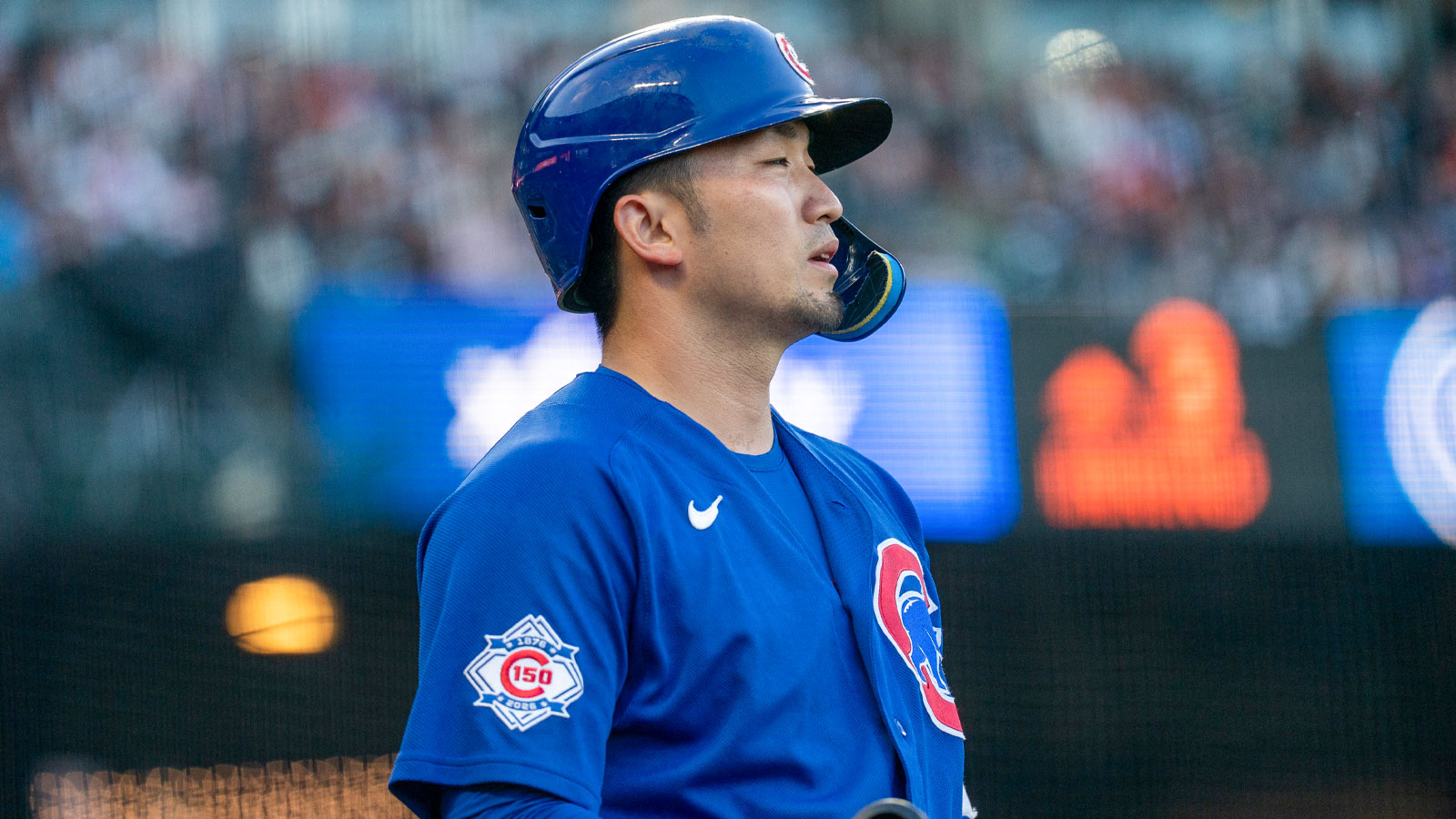
The Chicago Cubs walked off the field Saturday with a 6-1 win over the San Francisco Giants, but the real story unfolded in the fourth inning. Right fielder Seiya Suzuki pulled up mid-stride chasing a tough fly ball, grabbing at his knee. The veteran Japanese star didn’t return to the game, and his immediate postgame comments did little to calm the nerves of a fan base already bracing for a potential sell-off.
“Once I realized I couldn’t get the ball, I stopped,” Suzuki said through an interpreter. “I felt like my knee kind of moved.” He added, “I’m wishing it’s not a big deal. Wake up tomorrow and see how it feels.” The team has not yet provided an official update on the severity of the injury.
The timing could not be worse for a Cubs organization widely expected to be active before the trade deadline. Suzuki, 31, has been at the center of recent trade speculation — not because he’s having a career year, but because he represents one of the few valuable trade chips on a roster that feels stuck in neutral.
Trade talk was already heating up
Entering the season, Chicago’s front office signaled a desire to compete, but the results have been mixed. Suzuki is slashing .255 with 10 home runs and 28 RBI — solid, but not the impact production the Cubs hoped for when they signed him out of Japan. That tepid production, combined with his remaining salary, made him a logical candidate to be moved before the deadline, especially if the Cubs could recoup a starting pitcher in return.
Last week, MLB insider Ken Rosenthal floated the idea of a Suzuki trade in The Athletic, noting that the Cubs could pair him with cash to lower the financial burden for a contender. “Perhaps Suzuki could bring back a starting pitcher who also is a potential free agent, helping the club fill a more dire need,” Rosenthal wrote. He also pointed out that letting Suzuki walk in free agency would net Chicago only a compensatory draft pick, whereas a trade could yield a more tangible return.
That calculus now shifts. A knee injury — even a minor one — can send trade value plummeting. Contending teams will want medical records, second opinions, and possibly a delay on any deal until Suzuki proves he’s healthy. For the Cubs, who may have been counting on a bidding war for his services, this adds a layer of risk that could complicate their entire deadline strategy.
What happens next
If Suzuki lands on the injured list, the Cubs lose leverage. If he avoids major damage, the clock still ticks louder. Either way, Chicago’s front office now has one more variable to weigh as they decide whether to buy, sell, or do a little of both. The next 48 hours — when Suzuki likely undergoes imaging and evaluation — will shape not just his season, but the direction of the entire franchise leading into the deadline.
Leave a Comment