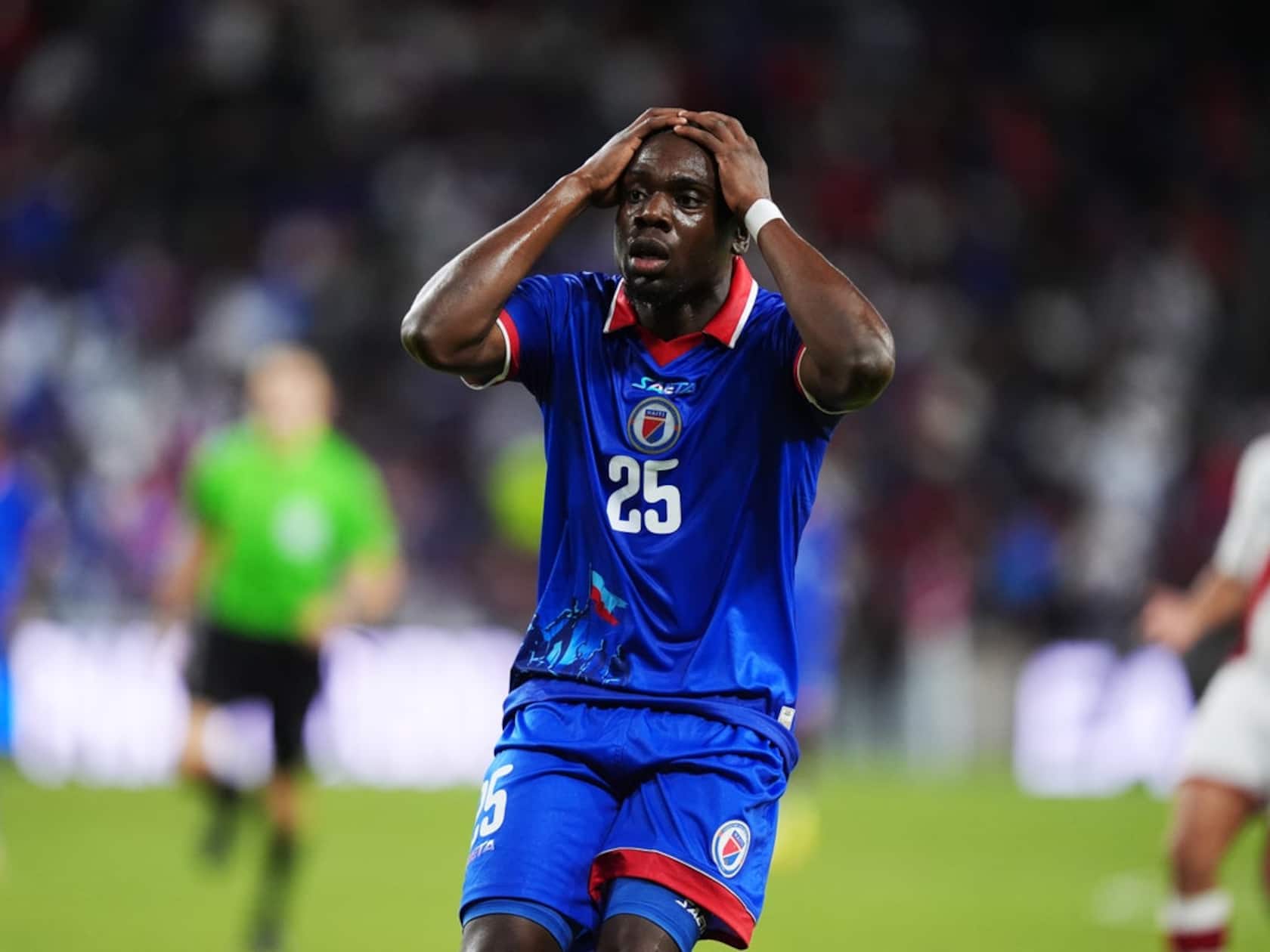
Just days before Haiti kicks off its first World Cup in over half a century, the country’s national team jersey was quietly redesigned after FIFA flagged it for violating political speech rules.
The original kit, produced by Colombian manufacturer Saeta, featured artwork depicting the Battle of Vertières — the 1803 clash that secured Haiti’s independence from France. To Haitian players and fans, the image was a symbol of pride and resilience. To FIFA’s equipment regulators, it was a political statement that contravened strict rules banning “political, religious, or personal messages or slogans” on match kits.
A Late Scramble Before the Big Stage
Saeta confirmed the redesign on Wednesday, noting that the Haitian Football Federation collaborated on the quick turnaround. The original shirts had already been worn during pre-tournament friendlies against New Zealand and Peru — a 4-0 win followed by a 2-1 loss — before FIFA objected. According to Saeta, the governing body determined that certain visual elements “could be interpreted differently” under its regulations and demanded modifications.
“While this interpretation differed from our intention, Saeta respected the process and implemented the final requirements communicated by FIFA,” the company said in a statement.
The revised kit will debut Saturday when Haiti faces Scotland in Boston to open Group C play. Also in the group: Morocco and Brazil.
Haiti’s Long Road Back to the World Cup
This marks Haiti’s first World Cup appearance since 1974, when the team lost all three group matches and conceded 14 goals. That squad included star goalkeeper Henri Françillon, who made a record 21 saves in a single match against Italy — though it still ended in a 3-1 loss. The current generation has already shown improvement, particularly in the dominant win over New Zealand.
The jersey controversy has reignited debate about where the line falls between cultural expression and political messaging in international soccer. FIFA’s rules, laid out in its Equipment Regulations, leave little room for interpretation. But critics argue that banning a nation’s foundational history from its kit — especially for a country that has rarely had the global platform Haiti now enjoys — amounts to erasure.
FIFA, the Haitian Football Federation, and Haiti’s team media officer did not respond to requests for comment. For now, the revised shirts are already in production, and the focus shifts back to the pitch. But the dust-up over a jersey designed to celebrate a people’s “pride, resilience, and spirit” is a reminder that even on the biggest stage, the game is never just about the game.
Leave a Comment