
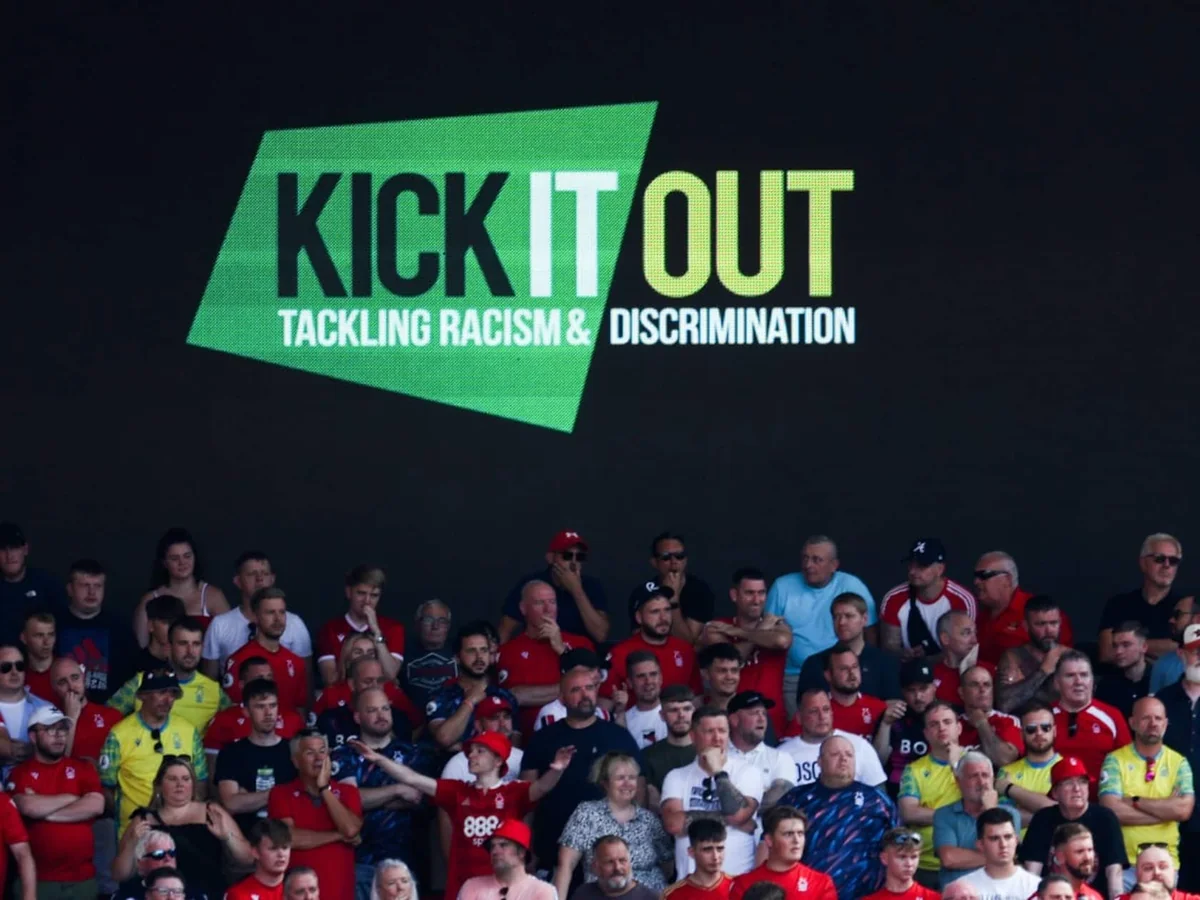
The numbers are getting worse, not better. Kick It Out, the U.K. anti-discrimination charity, released its latest figures on Tuesday and they paint a grim picture of English football. The organization logged 1,744 reports of discriminatory abuse during the 2025-26 season, a 25% jump from the previous year. More troubling: for the first time ever, the number of distinct incidents cracked 1,000, hitting 1,255.
That rise wasn’t isolated to one corner of the game either. Online abuse crept up 5% to 650 reports. But the real spikes came in person. Professional matches saw a 41% increase in incidents, 636 total. Grassroots football wasn’t far behind with 458 reports, also up 41%.
The numbers behind the spike
Every category of hate went up. Islamophobia reports skyrocketed 88%. Homophobia jumped 46%. Anti-Semitism rose 43%. Racism climbed 19%, sexism 12% and ableism 20%. It’s the kind of across-the-board surge that makes you wonder what’s actually changing.
Samuel Okafor, Kick It Out’s chief executive, didn’t sugarcoat it. ‘These figures show that discrimination remains deeply embedded across the game,’ he said. He pointed to broader trends in British society — rising hate crime and divisive political rhetoric — as part of the context. But he also saw a sliver of good news: more people are actually reporting what they see.
‘It’s encouraging to see professional players set that example last season,’ Okafor added.
Chants and ‘stop the boats’ language
Mass chanting incidents hit a record 142, a 41% increase. That includes racist, sexist, homophobic, transphobic and ableist chants. Kick It Out also flagged a new and disturbing pattern: anti-immigrant language, with phrases like ‘stop the boats’ and ‘send them back’ showing up at all levels of the game. There were 39 such reports in 2025-26 alone. That’s more than the previous two seasons combined.
It’s a lot of bad news in one release. But the charity did hit a milestone worth noting — they delivered their 500th fan education session to individuals who’d been caught discriminating. And the reoffending rate among those who went through the program? Just 1.25%. So the education angle seems to work, at least for the people who actually sit through it.
Whether the game’s authorities can match that kind of follow-through remains the open question. Okafor made that point himself: ‘We will continue to work with football authorities, clubs, leagues, regulators and Government to ensure we match the courage shown to report abuse with clear and consistent action.’
For now, the numbers say English football has a problem that isn’t going away on its own.
Leave a Comment