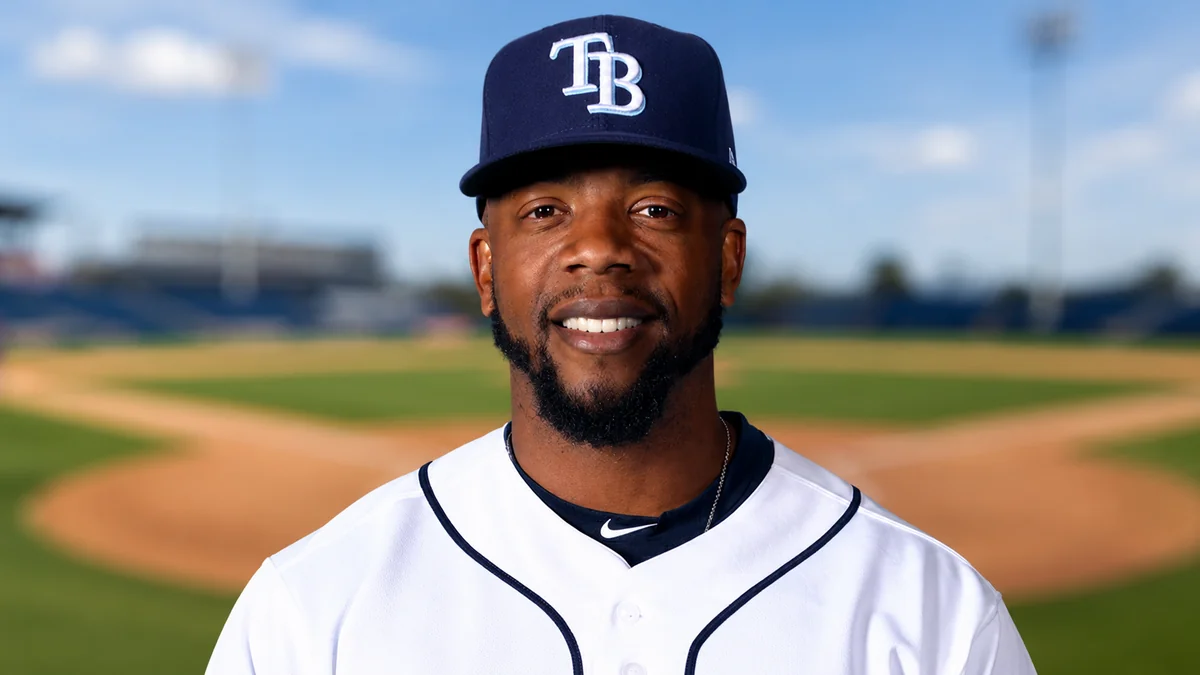
For Rickie Weeks Jr., the problem with HBCU baseball isn’t about finding players who can play. It’s about finding the tools that tell you exactly how good they are.
The former MLB All-Star and Southern University alum spent MLB All-Star Weekend managing the HBCU Swingman Classic alongside Jimmy Rollins. That game, created by Ken Griffey Jr., puts the best players from Historically Black Colleges and Universities in front of pro scouts and front office types. The American League squad Weeks managed won 6-1, and Southern’s Jacoby Radcliffe took home MVP.
But Weeks used the platform to talk about something bigger than one game. He told Andscape’s Mia Berry that the talent pipeline is already there. What’s missing is the data.
“Well, I think it starts with tools and resources first. Let’s just get it out the way,” Weeks said. “I think, to most of the HBCUs, we’re seeing the talent come to the school. We’re seeing everything kind of come together. But now with the step forward of tools and resources, now we’re seeing in the SEC that everybody has TrackMan now. Everybody has some kind of KinaTrax tracker or some kind of data going forward.”
TrackMan is the radar-and-camera system that tracks pitch velocity, spin rate, exit velocity and launch angle. KinaTrax does motion capture on hitters. These systems are standard equipment at LSU, Vanderbilt, and pretty much every SEC program with a big budget. At most HBCUs? Not so much.
Weeks said scouts are showing up to watch HBCU players. But without the same kind of analytics package, those players are harder to compare side by side with prospects from power conferences.
“You’re in these talks with these teams, you’re in these talks with these players, they just don’t have enough information on them,” Weeks said. “Are we getting out to see these guys? Yes, we are. But I think the next wave of us getting the next level of a player from the HBCU starts with information and data for sure.”
MLB has invested in HBCU baseball through things like the Swingman Classic and the Hank Aaron Invitational. Those are visibility plays. They get guys in front of scouts. But Weeks is talking about something deeper — the kind of infrastructure that lets a player from Alabama State come into a draft meeting with the same stat sheet a kid from Arkansas has.
That gap isn’t about talent. It’s about cash. TrackMan units run into five figures. KinaTrax setups cost more. Most HBCU programs operate on athletic department budgets that can’t compete with the revenue monsters in the SEC.
Weeks didn’t offer a silver bullet. But he made the point that as the game gets more data-driven, the programs left out of that data loop get left out of draft conversations. And that’s the next fight for HBCU baseball, not whether the players are good enough. They already are.
Leave a Comment