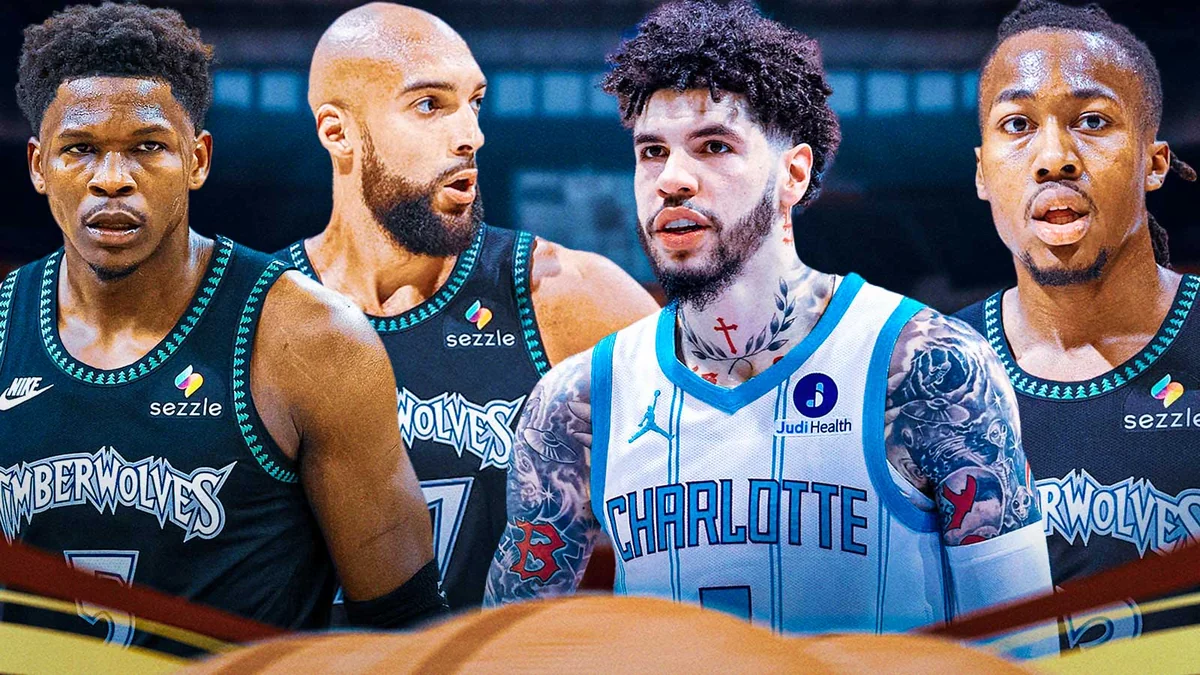
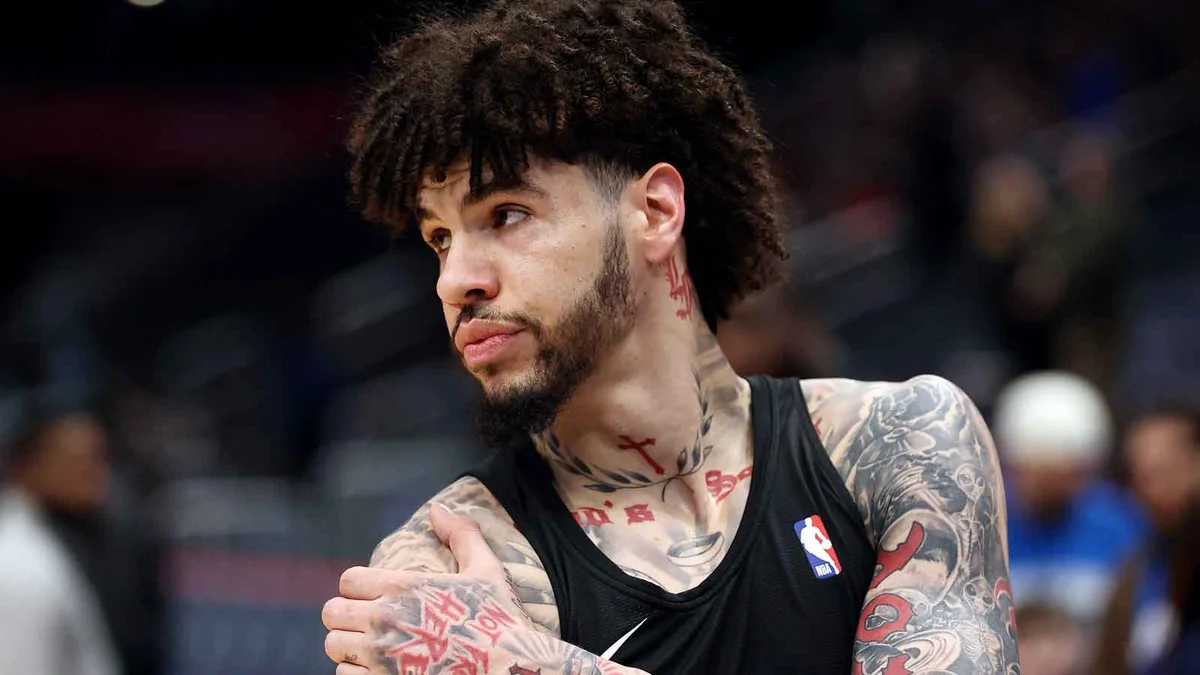
The Minnesota Timberwolves spent this offseason acting like a team that knows its championship window is open right now. Tim Connelly traded for LaMelo Ball, added Josh Green, moved Julius Randle, let Naz Reid walk. The backcourt is going to be electric. Anthony Edwards and LaMelo Ball together should produce highlights that last all decade. That part is exciting. But somewhere in the middle of all that roster shuffling, the Timberwolves quietly dismantled the frontcourt identity that made them a real problem in the West.
What they gave up
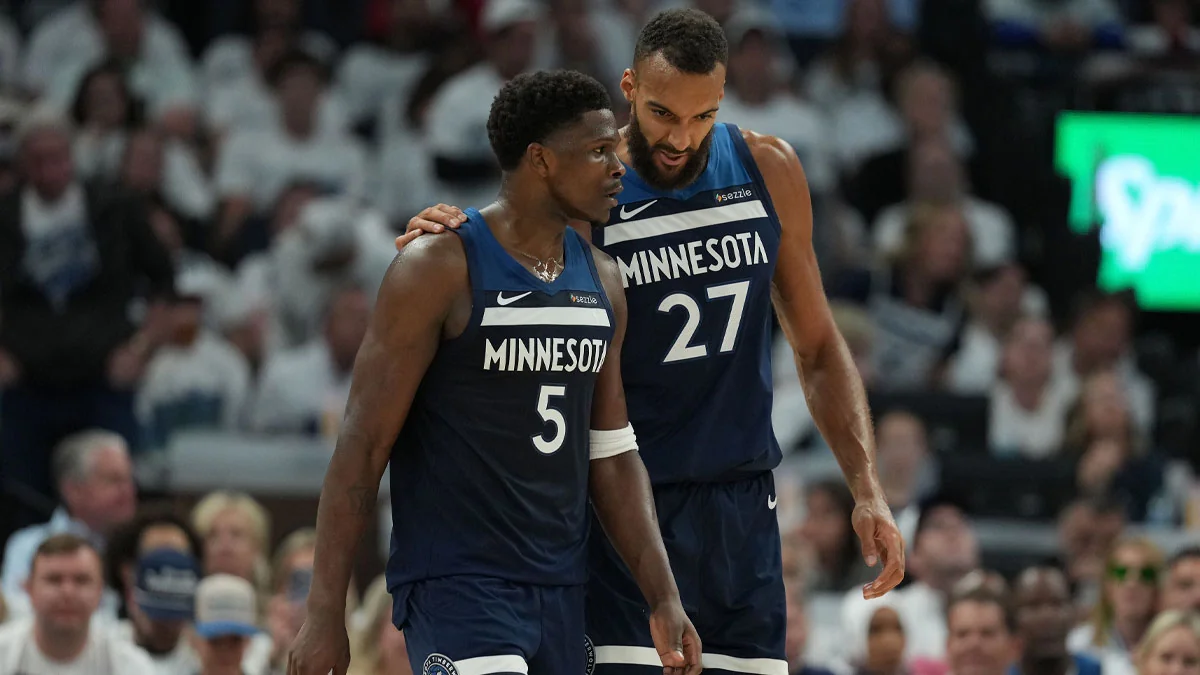
Reid and Randle were not just rotation players. They gave Minnesota a kind of frontcourt flexibility that most teams can’t match. Reid could step out and shoot threes, but he also had the strength to body up bigger forwards in the paint. Randle brought a physical edge that let the Timberwolves survive against lineups built around size. Take both of them out, and now you’re looking at Rudy Gobert and Jaden McDaniels as the only proven rotation players in the frontcourt. Behind them? Joan Beringer, Rocco Zikarsky, Enrique Freeman. That’s a lot of faith in guys who have barely played meaningful NBA minutes. Trey Lyles can space the floor, but he’s not going to scare anyone in a seven-game series.
The LeBron factor
Part of the reason Minnesota has been slow to fill those holes is that they are still holding out hope for LeBron James. The idea of pairing LeBron with Edwards and Ball is genuinely tantalizing. But there is a cost to waiting. As the Timberwolves kept cap space open and maintained flexibility, the veteran big man market dried up. Guys who could have come in and stabilized the second unit are gone now. If the LeBron thing doesn’t happen — and nobody knows if it will — Minnesota is left with a thin frontcourt and fewer options to fix it.
Playoff math
During the regular season, you can hide a thin rotation. You can manage foul trouble. You can rest guys. But playoff basketball is ruthless about exposing depth issues. One game where Gobert picks up two quick fouls. One injury to McDaniels. Suddenly you are asking a rookie or a second-year player to guard a team that is hunting mismatches every possession. That is a dangerous place to be when the stakes are highest.
None of this means the Ball trade was a bad move. It might end up being the move that puts Minnesota over the top. But championship rosters are built with balance. Right now, the Timberwolves have traded one of the deepest frontcourts in the league for an offense that lives on the perimeter. That is a bet on brilliance over survival. If it works, nobody will remember the risk. If it doesn’t, the story of this offseason will not be about LaMelo Ball. It will be about how Minnesota forgot that playoffs are won in the paint.
Leave a Comment