
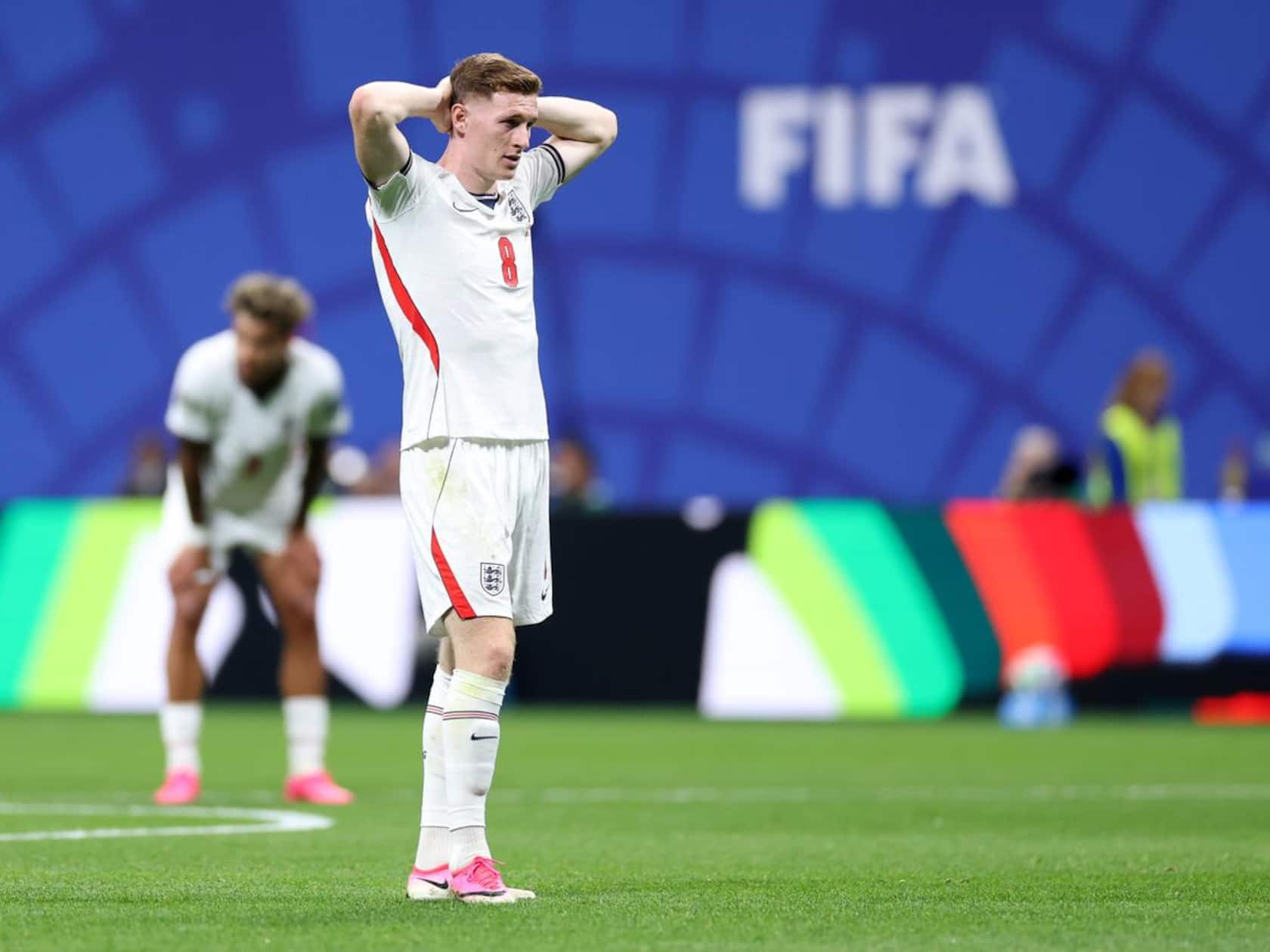
England walked into Estadio Azteca on Sunday knowing the numbers. Mexico has lost only twice in 89 matches there. The stadium sits 7,220 feet above sea level, which means thinner air and roughly 20 percent less oxygen per breath than at sea level. For a team that flew in two days before kickoff while Mexico has been training and playing at this altitude for weeks, that gap is not just a talking point. It is a real, measurable disadvantage.
Thomas Tuchel did not hide his frustration about the schedule. FIFA rules require teams to train in the host city the day before round of 16 matches, so England could not fly in and play on the same day — the ideal scenario to minimize altitude effects. Instead, they landed Friday night after training in Kansas City. And the science backs up the worry.
What happens to the body at 7,200 feet
Dominic Rae, a sports physiotherapist who heads sports medicine at The Ten Percent Club, broke it down simply. Lower barometric pressure means the air is literally thinner. Players take in less oxygen with each breath. Heart rates climb. Fatigue sets in faster. Dehydration becomes a bigger risk. And while top sprint speed does not drop much, recovery between sprints takes longer. That is brutal for a team that likes to press high.
“I would expect, by the end of the match, players expected to play the full 90 minutes will see a pretty drastic drop-off of performance,” Rae said. He also noted that Mexico’s familiarity with the environment goes beyond just weather. “They know strategies for in-game management at altitude. Nuances they might need during hydration breaks or halftime. That experience matters.”
The acclimatization problem that can’t be fixed in two days
England did try to prepare. Elliot Anderson installed a hyperbaric chamber in his house before the tournament to boost red blood cell production. The squad also worked with altitude tents at times. Rae is skeptical about how much that helped. “The amount of time to do extra acclimatization is pretty limited. This isn’t a one-hit-and-you’re-adapted thing. At this level of altitude, you’re talking one to four weeks to truly adapt.”
The team spent time training in heat and humidity in Miami before the World Cup. That does help a little — heat exposure can teach the body to regulate sweat more efficiently, which crosses over into managing stress at altitude. But it is not the same thing. Heat training gives you better hydration control. Altitude hits different systems.
Why scoring first might be England’s only real plan
Rae pointed out something tactical that might matter more than the science. “Score first and then they can be a little bit deeper. You can preserve energy.” Mexico knows this too. They tend to come out aggressive early, trying to hurt teams before the altitude fully sets in for the visitors. That means England needs multiple plans. Plan A, B, C. A good warm-up on the actual field before kickoff also matters because it starts the acclimatization process earlier. For substitutes who sit on the bench for 60 minutes before entering? That is a whole different challenge. The body does not adjust the same way.
Mexico has won all four of their World Cup matches so far without conceding a goal. They are unbeaten at the Azteca across 89 games. England has not played there since Diego Maradona knocked them out in 1986 with the Hand of God. The history is weird and the altitude is real. And now it comes down to whether England can find a goal early and hold on before the thin air takes over.
Leave a Comment