
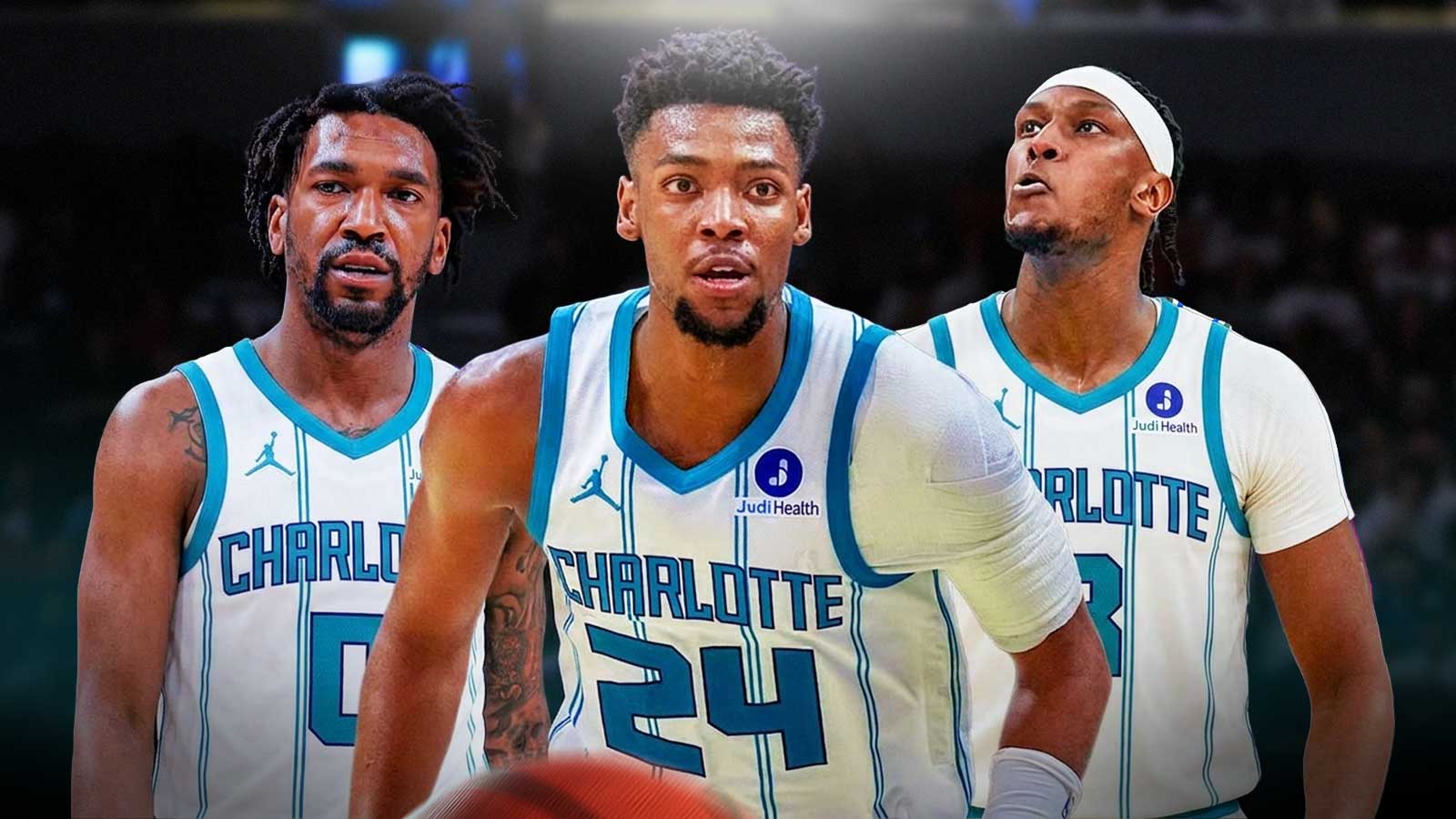
The Charlotte Hornets spent last season being the NBA’s favorite analytics darling. They had the league’s most electrifying offense, led by a 24-year-old point guard who made every game feel like a highlight reel. By the time the calendar hit 2026, they were legitimately threatening to make the playoffs outright. The starting five of LaMelo Ball, Kon Knueppel, Brandon Miller, Miles Bridges, and Moussa Diabate wasn’t just good. According to advanced metrics, it was historically good.
Then the Hornets blew it up anyway.
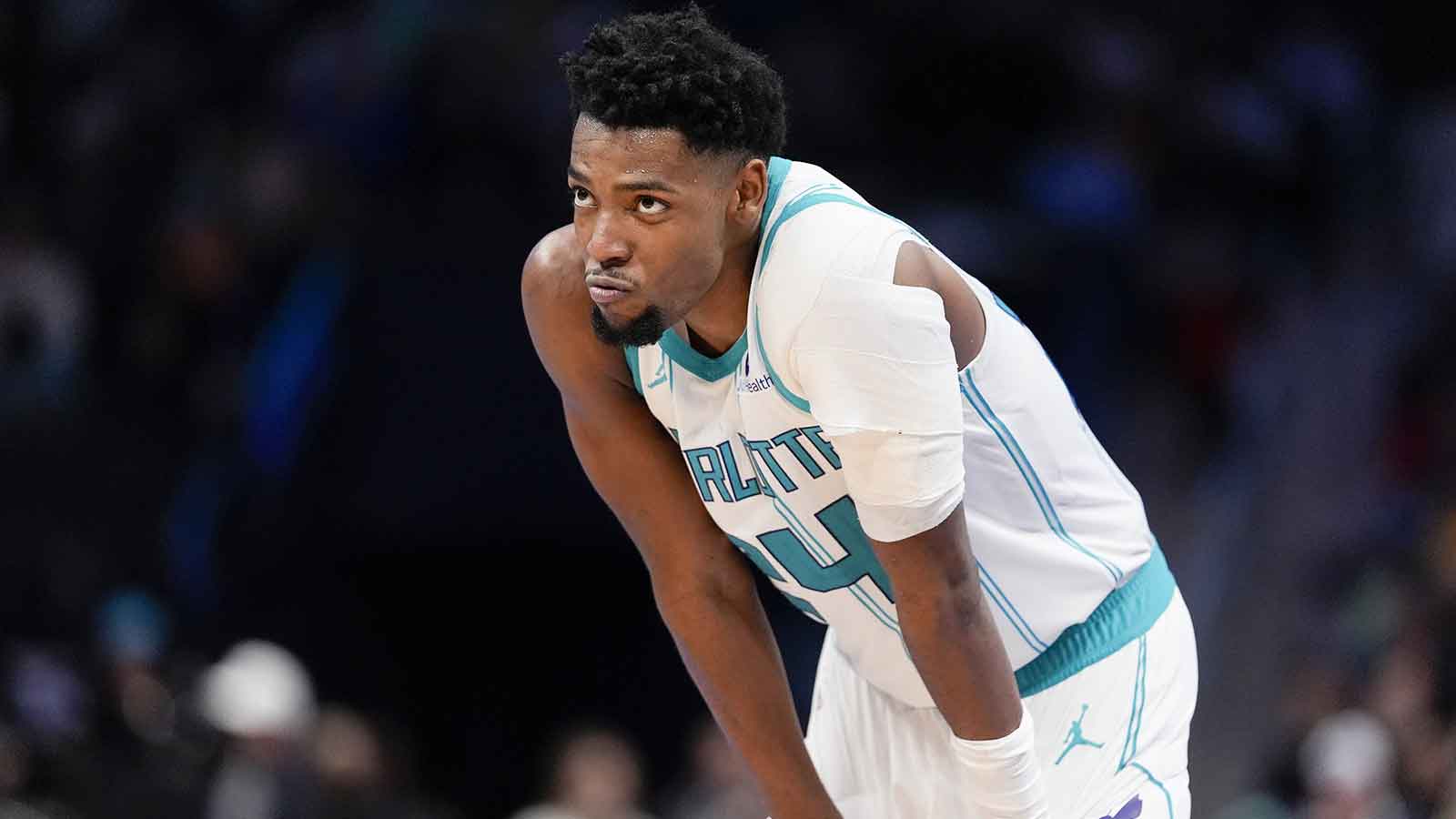
Charlotte traded Ball and Josh Green to Minnesota for a package headlined by Naz Reid. They followed that by sending Bridges to Phoenix for Grayson Allen and Royce O’Neale. Two of the longest-tenured players on the roster, gone in a matter of weeks. Jarring, sure. But the front office clearly had a plan: build around Knueppel and Miller as the wing core, stockpile draft assets, and maintain financial flexibility.
The Ball deal also created a $40.8 million trade exception for Charlotte — usable for one year from the trade’s finalization date. That’s a massive chunk of cap space that doesn’t count against the salary cap until it’s used. It means the Hornets can absorb almost any contract in the league without sending matching salary back. The question is whether they want to.
Brandon Miller’s extension complicates everything
Let’s talk about the elephant in the room. Miller, the No. 2 pick in the 2023 draft, is extension-eligible this offseason. He’s the guy Charlotte is building around now. A max deal for Miller would be worth up to $251 million over five years. He probably won’t get the full max, but he’ll get close. The Hornets cleared Ball’s salary off the books, but Miller’s extension is basically going to take that money back. Moussa Diabate is also due for a new contract. The cap flexibility everyone assumed Charlotte created? It’s already getting eaten up.
That doesn’t mean the trade exception is useless. It just means Charlotte probably isn’t going to chase a star. They’re more likely to use it as a tool — taking on a contract that another team wants to dump, in exchange for more picks or young players.
Myles Turner could fit, but does the timeline match?
There’s been chatter about Charlotte looking for a big man. Domantas Sabonis has been mentioned as a potential target, but Myles Turner makes more sense basketball-wise. Turner spent years playing alongside Sabonis in Indiana and has developed into a reliable floor-spacing center who also protects the rim at an elite level. He’s the kind of player who could thrive in Charlotte’s up-tempo system after losing some rhythm in Milwaukee.
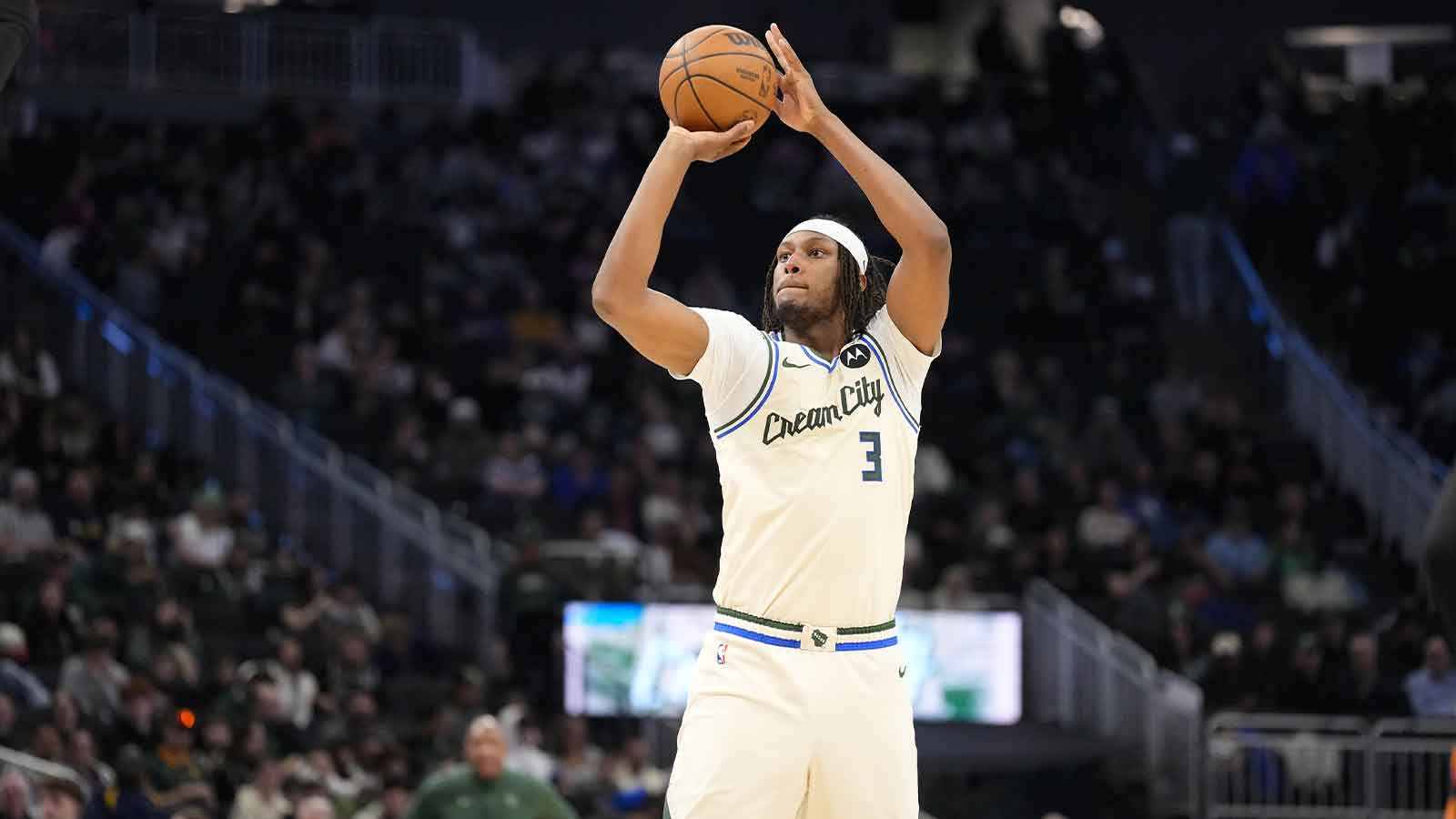
The catch? Turner has three years and roughly $84 million left on his deal. His $26.5 million salary for next season fits neatly into the trade exception. But the Bucks might not want to trade him — they don’t control their own first-round pick next season (the Pelicans have swap rights), so they’re not incentivized to tank. And even if they were willing, would the Hornets want to commit that much money to a center when they already have Diabate playing well next to their young wings?
Monk’s return would be a salary dump play
Charlotte has been stockpiling future picks. They got Minnesota’s unprotected 2033 first-round pick and a bunch of swap rights in the Ball deal. They got Phoenix’s 2033 first-rounder in the Bridges trade. The smartest use of that $40.8 million exception might be to take on a bad contract from a team that wants to shed salary, collect more picks, and see if Charlotte can rehab a player’s value in the process.
Malik Monk fits that description. The shooting guard has two years left on his deal — $20.2 million for 2026-27 and a $21.6 million player option for 2027-28. The Kings have reportedly dangled him on the market without finding a taker. Charlotte drafted Monk back in 2017 and he started his career there. A return to the organization that drafted him could revive his stock. The Hornets could absorb his salary with the exception, get a pick or two from Sacramento, and see if Monk can find his rhythm again in a familiar environment.
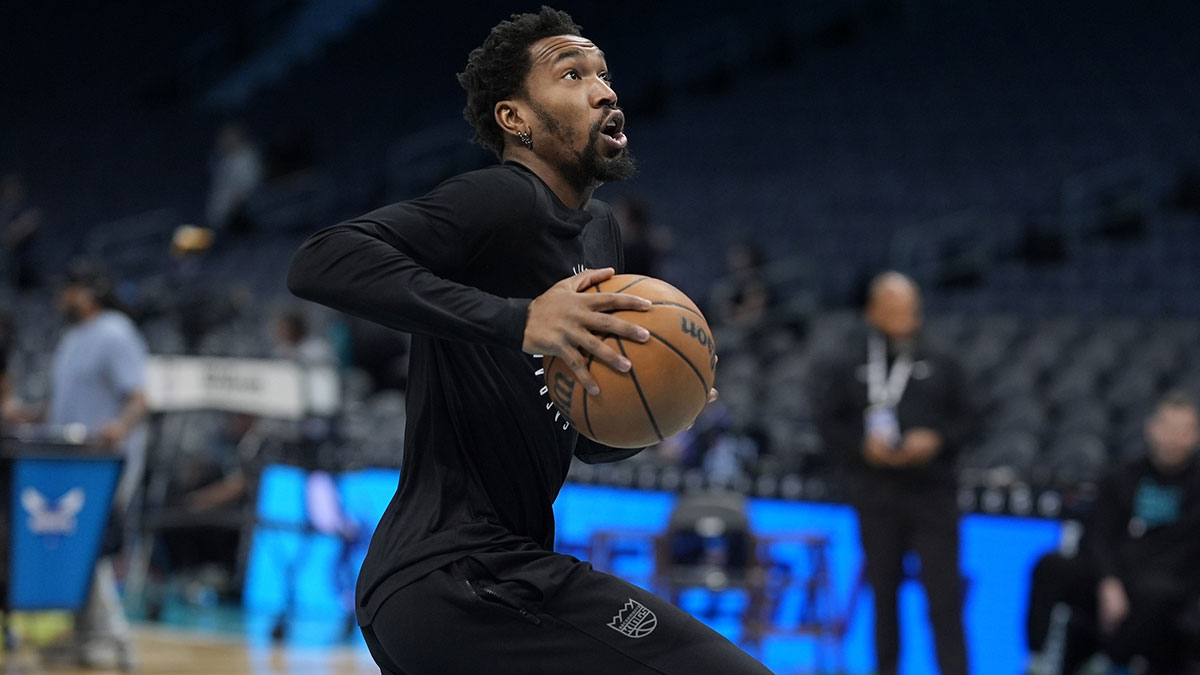
Monk is 28 now. He’s not a star, but he’s a microwave scorer off the bench who can get hot in a hurry. The Hornets just lost their best playmaker in Ball. They need shot creation from somewhere. Monk won’t replace what Ball provided, but he’d give them a scoring punch without costing them long-term flexibility. And if he plays well, they can flip him at the deadline next season for more assets.
That’s the thing about this trade exception. It’s not about making a splash. It’s about using a financial loophole to keep collecting assets while the young core develops. The Hornets have their two wings. They have picks. They have time. The exception is just another tool in the box.
Leave a Comment