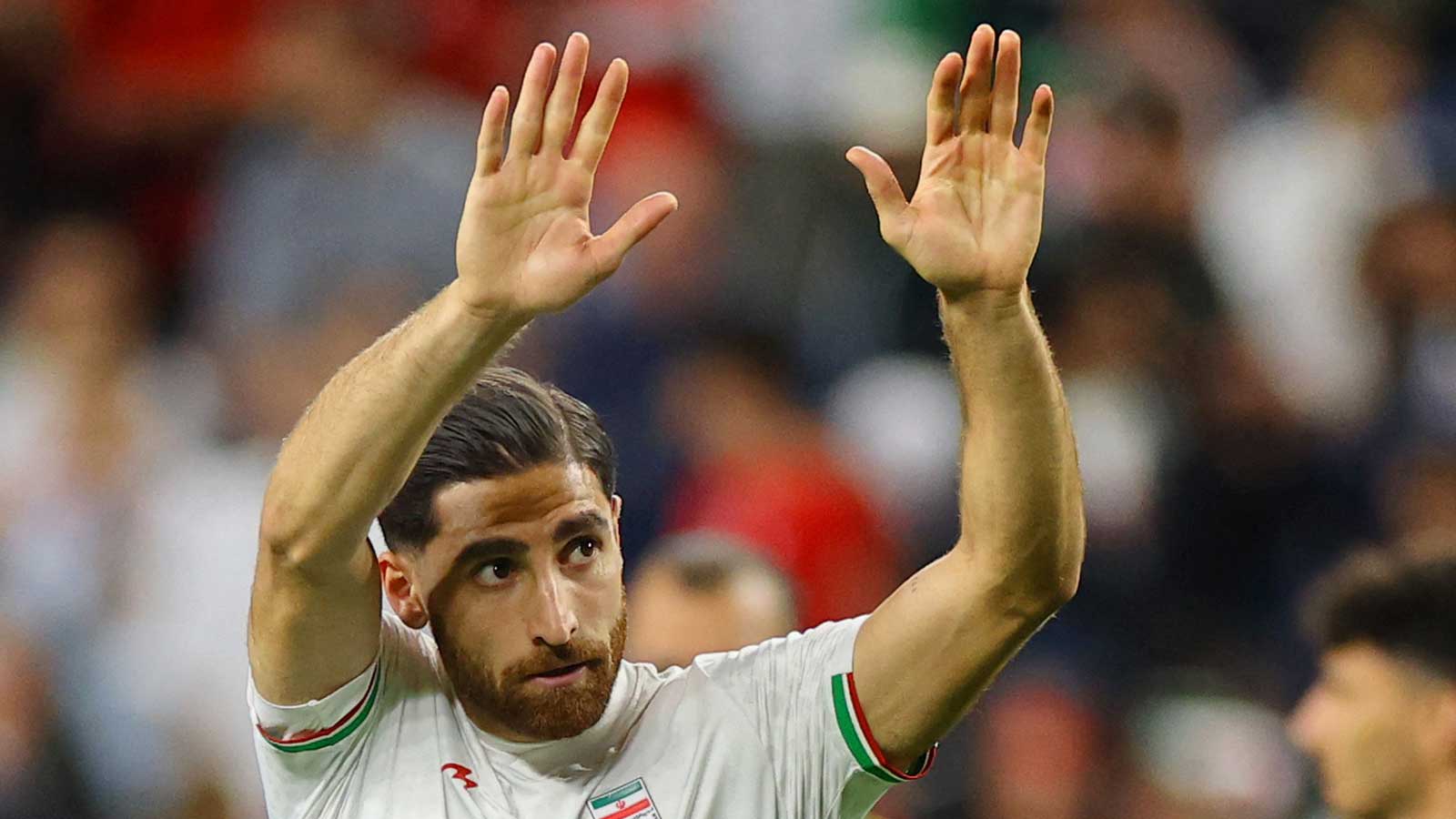
Iran’s 2026 World Cup run is over. They finished third in Group J with three draws — 2-2 against New Zealand, 1-1 with Egypt, and a scoreless 0-0 against Belgium. A wild-card tiebreaker looked possible until Algeria and Austria played a chaotic 3-3 draw that killed any hope. But the story that’s lingering isn’t about the standings. It’s about a handwritten letter the team left behind in their dressing room at Los Angeles Stadium after that Belgium match.
The note, released by the Iranian federation and first reported by ESPN, was simple and direct. It opened with a line about the country’s identity — from ancient Persia to modern Iran — and ended with a wish: “May peace, respect, and friendship prevail among all nations.” The players said they competed with honor and left the city with dignity. They thanked the local fans who showed up for 180 minutes of football across two matches.
What makes the gesture hit harder is everything else Iran dealt with off the field. Because of severe administrative problems tied to U.S. visa restrictions, the federation couldn’t set up camp inside the country. They based out of Tijuana instead. That meant crossing the border for every game under strict limitations. For the Belgium match, the team flew in Saturday night, played at noon Sunday, and had to head straight back after the final whistle. Head coach Amir Ghalenoei called Iran the “most oppressed team in the whole World Cup” and pointed to the visa rejections and logistical chaos as proof.
Why the letter stood out
It’s not every day a team leaves a peace note in an empty locker room after failing to advance. The context matters too. Iran has one of the largest diaspora communities in the U.S., concentrated heavily in Los Angeles. Thousands of Iranian-Americans showed up to support the team. Some held flags. Others wore jerseys from past World Cups. The players noticed. The letter was partly for them.
The tone of the message felt deliberate and careful — not defensive, not political in an overt way, just a request for peace between nations. Given the geopolitical strain between Iran and the U.S., the gesture carried weight. It also let the team exit on its own terms, even if the tournament didn’t go the way they wanted.
A campaign defined by grit and frustration
Iran’s three draws weren’t ugly. They held Belgium to a 0-0 stalemate in a match where the Belgians looked frustrated for most of the second half. Against New Zealand, they fought back from a goal down. The Egypt game was tight and competitive. But three draws in a World Cup group almost never get you through, especially when other results don’t fall your way.
After the Belgium match, the team packed up and moved to Seattle for their final group game. They knew the odds were long. By then, the letter was already making rounds online. Fans and analysts pointed out the contrast — a team that felt mistreated by the system but still chose to send a message of goodwill on the way out.
Ghalenoei didn’t hold back when talking about the travel situation. He called it unfair and disruptive. But the players themselves kept their focus on the field and the note they left behind. It wasn’t loud. It wasn’t a press conference stunt. It was a piece of paper taped to a wall, folded in a way that made sure someone would find it.
Leave a Comment