
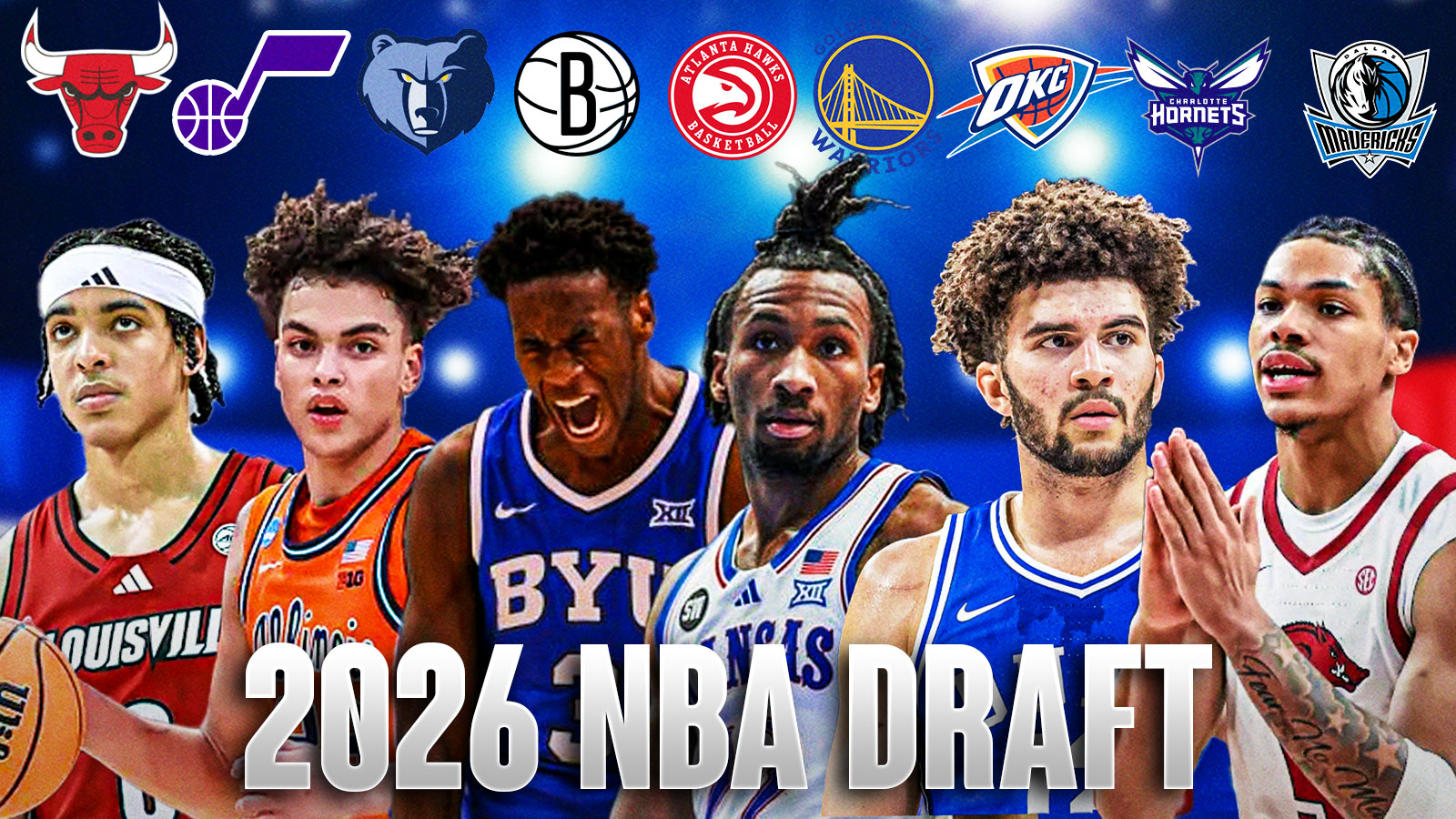
The 2026 NBA Draft is officially in the books, and if you blinked, you missed a whole lot of movement. No trades in the lottery despite all the chatter. Then the floodgates opened. The Warriors, Hornets, Thunder — all of them talked, but none pulled the trigger until the wheelin’ and dealin’ kicked off in the teens. And the result? A first round that left some teams looking like geniuses and others with some explaining to do.
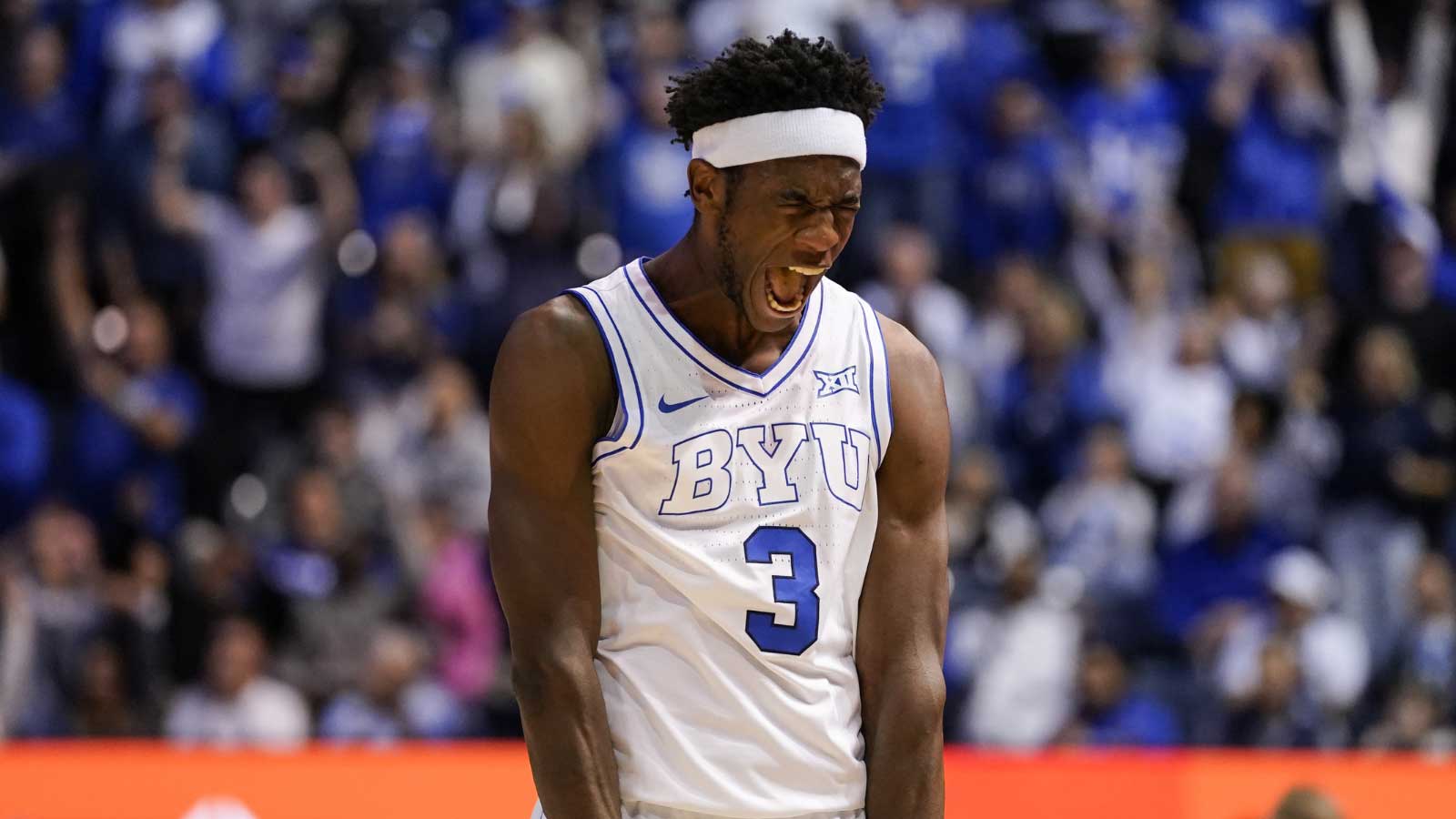
Let’s start at the top, because the Wizards didn’t overthink it. AJ Dybantsa out of BYU is exactly what Washington needed: a wing who can score from anywhere and doesn’t flinch at big moments. He slots in next to Trae Young and Anthony Davis, and suddenly the Wizards have a young core that looks legit. Dybantsa could lead this team in scoring as a rookie. That’s not hype, that’s the tape. Grade: A+ for a pick that was obvious but still perfect.
Utah grabbed Darryn Peterson at No. 2, and honestly, the talent debate between him and Dybantsa was always about fit more than skill. Peterson fills a backcourt hole next to Keyonte George, and for a Jazz team that needs direction, he’s a solid foundation. But there are whispers about his durability, specifically cramping issues that popped up in college. If he can stay on the floor, this is an A. If not, well, the Jazz have been here before.
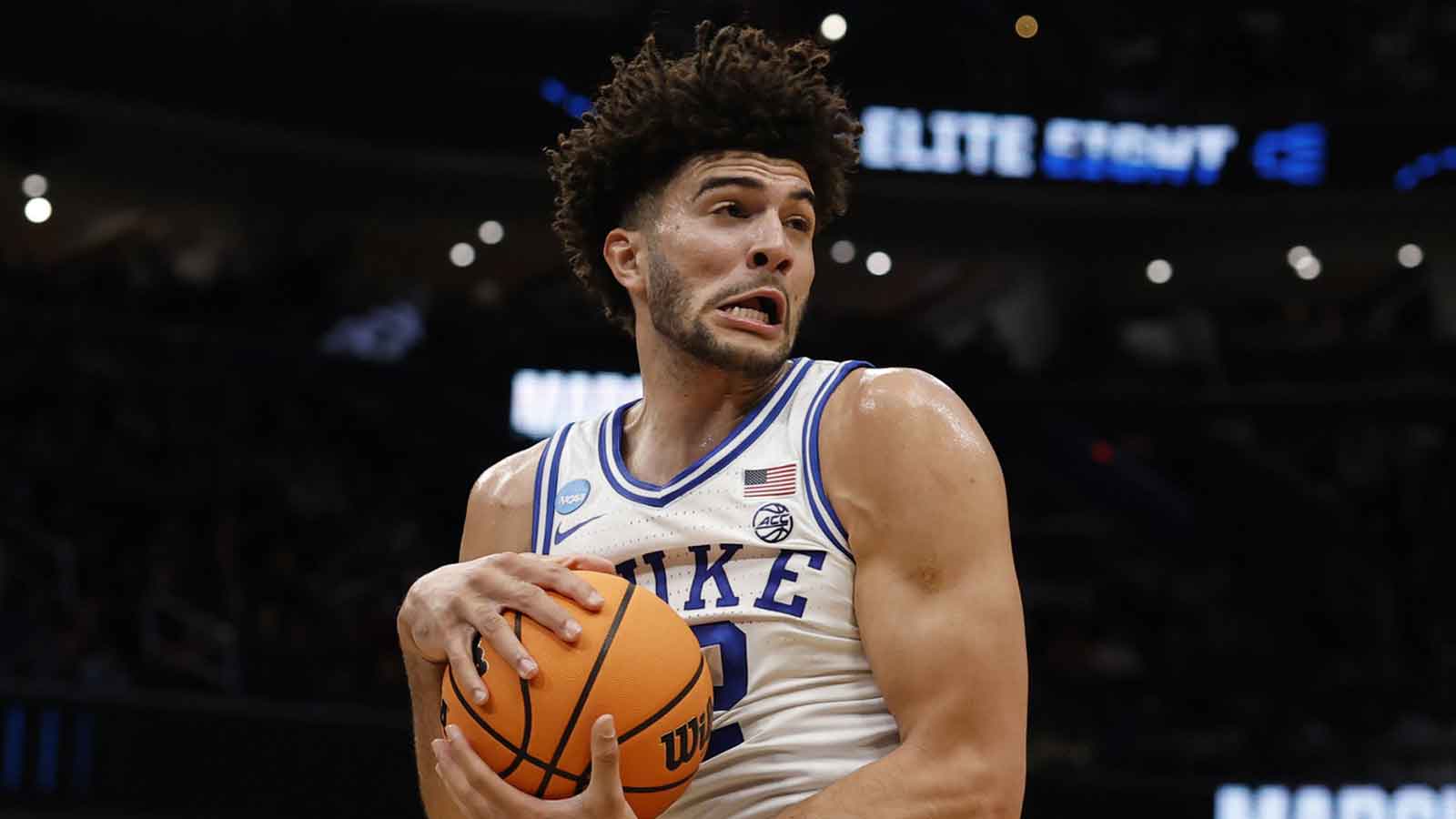
The Memphis Grizzlies needed a reset after the Ja Morant era ended messy. They got Cameron Boozer at No. 3, and this might be the steal of the top five. Boozer isn’t the flashiest athlete, but he’s the kind of high-IQ, unselfish leader that rebuilds are built on. He makes everyone better, and he’s durable. That’s a winning combo. Grade: A+.
The Bulls went with Caleb Wilson at No. 4, and new head of basketball ops Bryson Graham is clearly sticking to his plan: size, length, athleticism, physicality — SLAP, they’re calling it. Wilson brings all of that plus a motor that doesn’t quit. He’s a menace on defense and can create his own shot. Pair him with Matas Buzelis and Josh Giddey, and Chicago suddenly has a long, switchable rotation that could give teams fits.
The Clippers at No. 5 went with Keaton Wagler over Mikel Brown Jr., and that one’s gonna be debated for a while. Wagler is safer — bigger, more versatile, can play off-ball next to Darius Garland. But Brown’s scoring pop is special. LA went with the floor instead of the ceiling. That’s a B for now, with room to move up if Wagler finds his role fast.
Brooklyn grabbed Brown at No. 6, and he might end up being the best player in this class. He’s an elite scoring guard who can create space for everyone else. The Nets needed a point guard badly, and they got one with All-Star potential. Add Michael Porter Jr. and Randle to the mix, and Brooklyn’s offense just got scary. Grade: A.
Sacramento got Darius Acuff Jr. at No. 7, and everyone knew this was happening since the lottery. Acuff is a scoring burst at point guard, exactly what the Kings need as they pivot away from the LaVine/DeRozan/Sabonis era. Defensive concerns are real, but the Kings have enough length around him to cover. Grade: A- for the pick, but the work isn’t done in Sacramento.
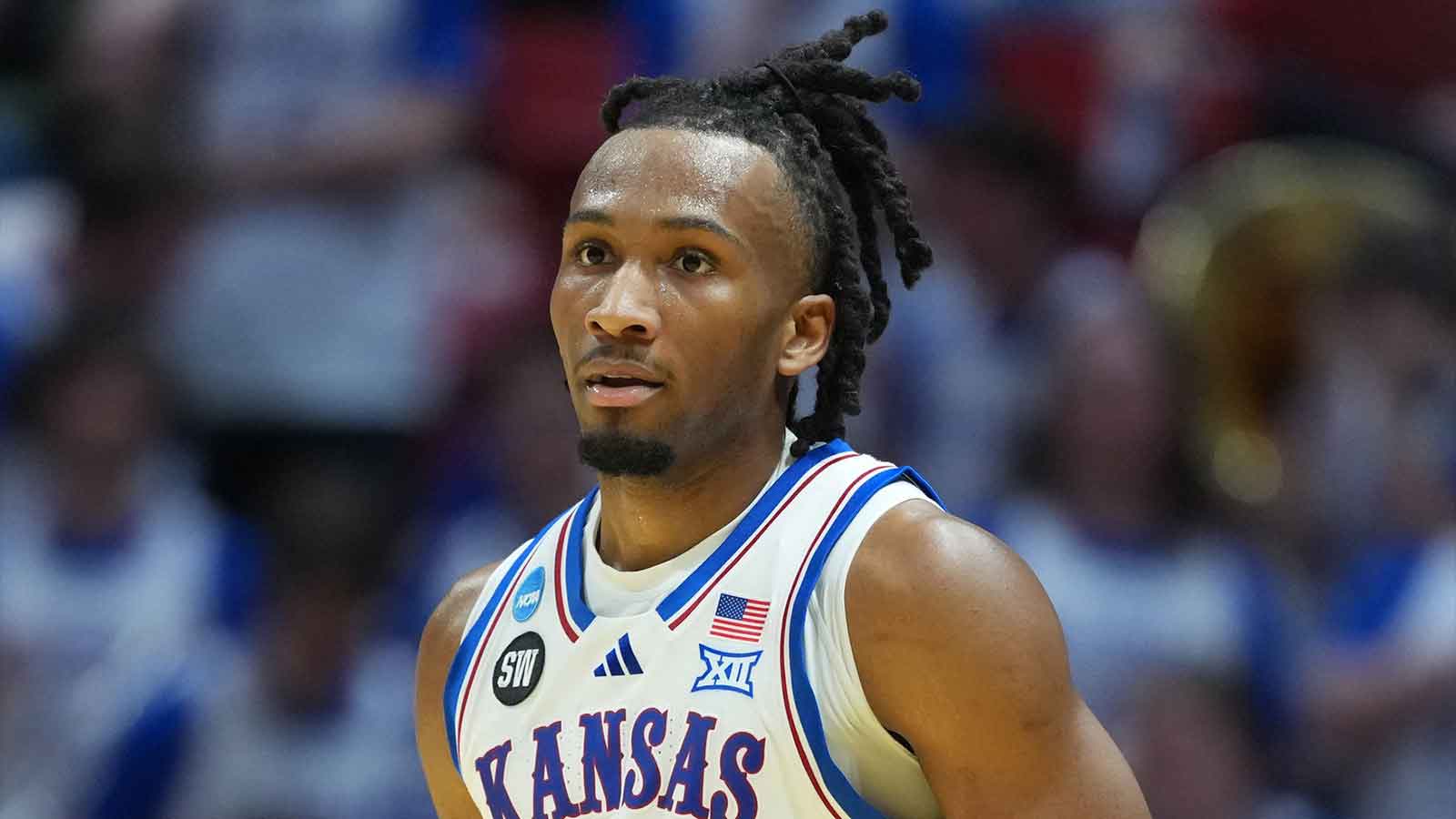
Atlanta landed Kingston Flemings at No. 8, which is a solid get for a team that needed backcourt help. He’s a downhill scorer who can hit from all three levels. The fit next to CJ McCollum is a little small, but the Hawks have athletes around them. Grade: B+ for filling a need with the best player available.
The first real surprise came at No. 9 when Dallas took Morez Johnson Jr. from Michigan. This reunites him with new coach Dusty May, and Johnson is a beast in the frontcourt — a lob threat, a screen-and-roll guy who should help Cooper Flagg thrive. The Mavs might move PJ Washington or Daniel Gafford now. Grade: B+ for fit, even if it wasn’t the expected pick.
Milwaukee started its post-Giannis era at No. 10 with Brayden Burries. He’s not flashy, but he’s solid — can play on or off ball, guards multiple positions, and was Arizona’s leading scorer. The Bucks also grabbed Nate Ament at No. 13, which is more of a swing. Ament has size and upside, but his game is raw. That’s a B- for now with potential to look genius later.
The Warriors snagged Yaxel Lendeborg at No. 11, and this is the kind of pick that helps you win now. Lendeborg is NBA-ready after leading Michigan to a national title. He does everything — defends, passes, rebounds. He’ll be in the All-Rookie conversation. Grade: A.
Oklahoma City got Aday Mara at No. 12 without having to trade up, which is classic Sam Presti. Mara is a 7’3″ rim protector who can pass and shoot a little. Pair him with Chet Holmgren and the Thunder’s frontcourt is a nightmare for opponents. Grade: A+.
Charlotte took Hannes Steinbach at No. 14 after missing on Michigan’s bigs. He’s a rebounding machine, nothing flashy but reliable. The Hornets needed frontcourt help, and they got it. Grade: A-.
The trades started flying after that. Memphis traded back with OKC and Detroit, landing Karim Lopez at No. 21 — the first Mexican-born player drafted into the NBA. He’s a defensive-minded forward with pro experience in the NBL. Great value at that spot. Grade: A.
And how about Cameron Carr falling to the Lakers at No. 24? Teams in the lottery and late teens were interested, but LA swooped in and got a wing scorer with a seven-foot wingspan. He could be the steal of the draft. Grade: A+.
Phoenix grabbed Koa Peat at No. 30, keeping him in Arizona. He slipped because teams wanted him to stay in school and work on his offense, but the Suns get a bruising rebounder who can develop at his own pace. Not bad for the final pick of the first round.
This draft class has star power at the top and depth that could produce a few surprises. The grades will change. They always do. But for one night, the future looked bright in a lot of cities.
Leave a Comment