
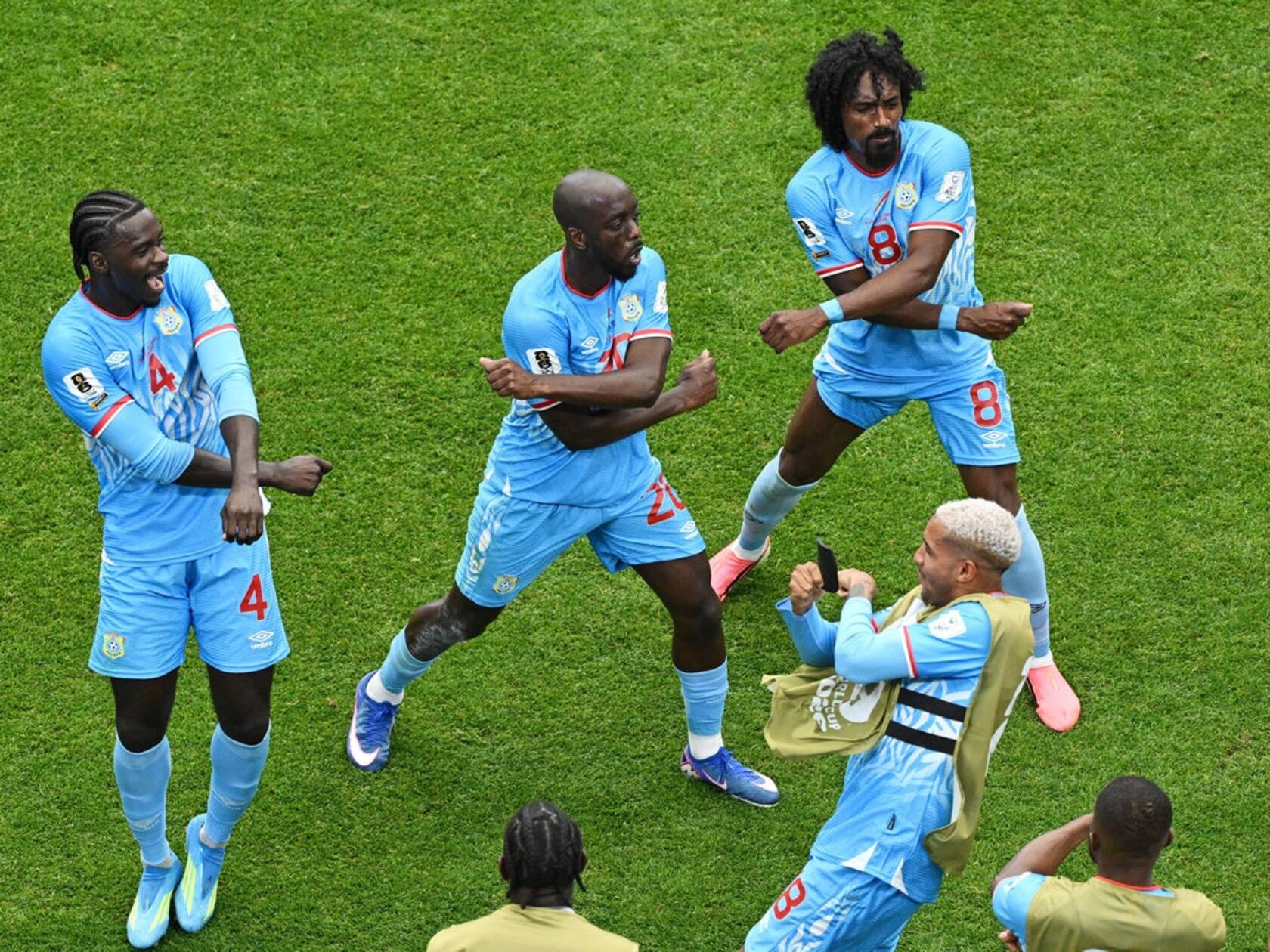
Yoane Wissa sprinting toward the corner flag, arms wide, teammates piling on top of him. That was the scene when DR Congo scored its first World Cup goal ever, a 90th-minute equalizer against Portugal. A moment that mattered more than any bracket projection or group table.
Those four minutes of chaos and joy are the kind of thing you can’t script. A nation of 100 million people, many of whom have never seen their flag on this stage, suddenly has something to scream about. It happened for Curacao against Germany, for Iraq against Norway, for Cabo Verde against Spain. Small countries, big emotions, genuine unpredictability.
Here’s the stat that ties it all together: 292 players out of 1,248 are representing a country they weren’t born in. Almost a quarter of the entire World Cup. That’s the highest share ever, even adjusting for the expanded 48-team format. And it’s reshaping the tournament in ways nobody fully predicted.
The diaspora is the backbone now
Morocco rolled out a full starting XI of diaspora players at one point. Curacao has 25 of 26 men born outside the island. Wissa himself grew up in France. Iraq’s coach Graham Arnold noticed early on that players born in Iraq and those born abroad sat at separate tables in the dining hall. He fixed that, one long table, no divisions. That small move is part of why Iraq is here.
This isn’t just a feel-good story about heritage. It’s a direct consequence of how elite soccer works now. Western European nations built massive talent factories. France has Clairefontaine. Spain poured money into coaching infrastructure. Germany and England followed. These systems churn out technically polished players at industrial scale.
There’s a spillover effect. Players who don’t make the cut for France or England or Germany still have options. They can represent the countries their parents or grandparents came from. And they’re bringing elite training with them.
The political irony nobody is ignoring
Here’s the part that’s hard to miss. The United States is hosting this World Cup under an administration actively working to restrict immigration and movement across borders. Meanwhile, Folarin Balogun — born in New York, raised in London, trained at Arsenal — scores the goal that sends the U.S. into the knockout rounds. That is the American dream in cleats.
FIFA’s eligibility rules have loosened significantly in recent years. Players who earned senior caps before age 21 can still switch nations. Munir El Haddadi did it for Morocco. Others are doing it at every tournament now. The regulations finally caught up to the reality that a 17-year-old shouldn’t have to lock in a lifetime national team choice.
The talent is spreading. The field is leveling. And for every big nation that worries about losing a player to a smaller program, there’s a Curacao or DR Congo celebrating a goal that changes how their country sees itself.
That’s not irony you can brush aside. It’s the story of the tournament so far.
Leave a Comment