
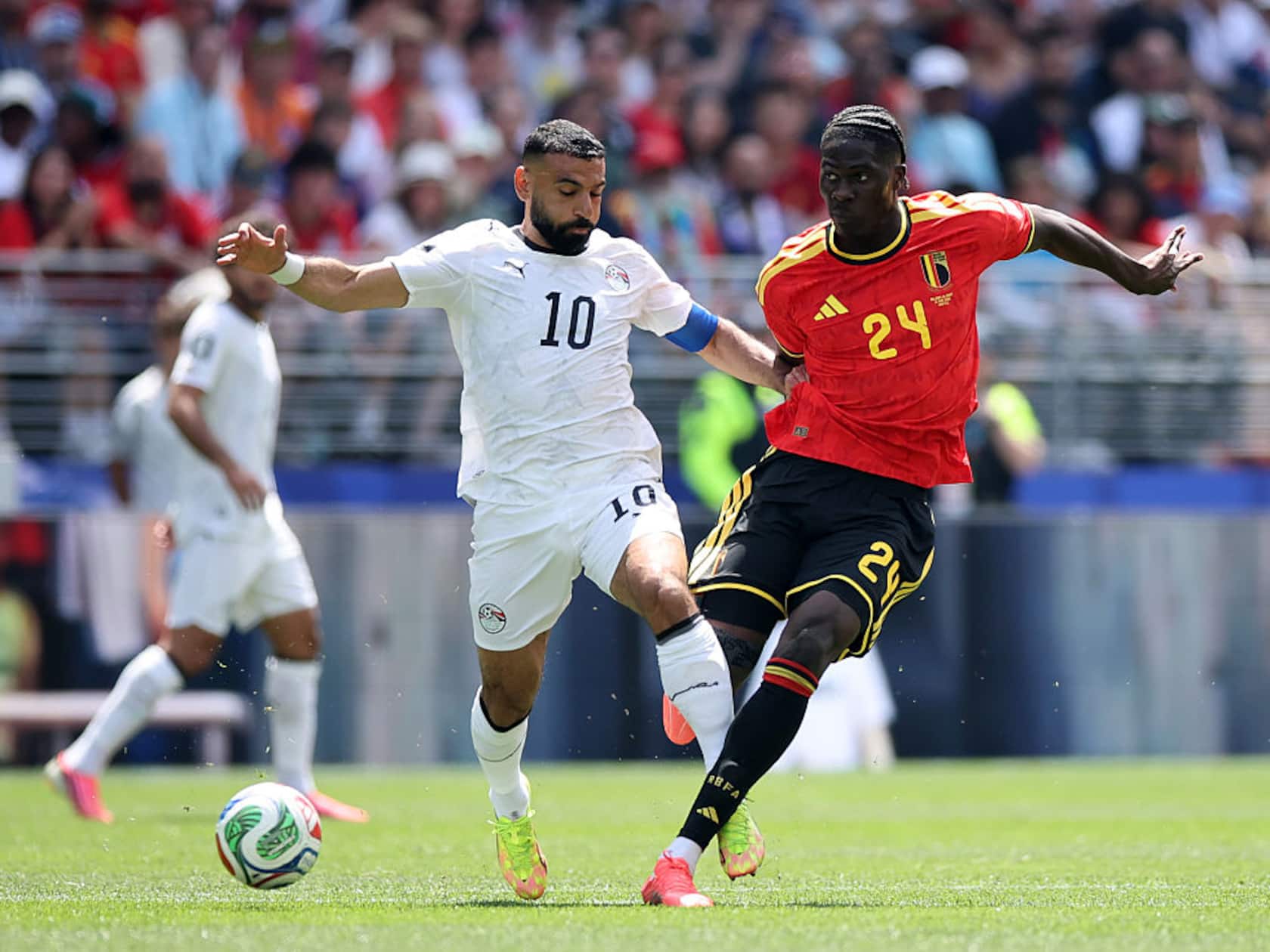
World Cup fans woke up Wednesday to a stat that felt plucked from a black-and-white highlight reel: four matches on a single day ended in draws for just the second time in tournament history. The last time it happened? 1958, when Sweden hosted and the tournament featured eight games in a single day.
Wednesday’s slate delivered a 1-1 between Uruguay and Saudi Arabia, a 2-2 thriller between Iran and New Zealand, a Spain side that stumbled against Cape Verde, and Belgium dropping points to Egypt. Those four results — none of which went according to the betting lines — triggered the kind of trivia that makes old-timers nod and younger fans reach for Google.
According to FIFA match logs, the only other day with four draws occurred in 1958, when the tournament’s group-stage format packed eight games into a single June day. That context matters: with half the matches, Wednesday’s achievement is statistically rarer but arguably less impressive in raw volume.
Fans online noted the irony that in an era of advanced analytics and tactical conservatism, the World Cup still produces chaos. Spain’s failure to beat Cape Verde — a nation making its second appearance — raised eyebrows, but so did Uruguay’s inability to finish off Saudi Arabia, a team that hasn’t advanced past the group stage since 1994.
No single explanation exists for a day of draws. Fatigue from a compacted schedule? Defensive pragmatism? The lingering effects of altitude in certain stadiums? The tournament’s organizers have not commented on the phenomenon.
What is certain: Wednesday’s results scrambled group standings and left several teams facing must-win matches in the final round. For neutrals, the draw-fest was a reminder that the World Cup’s oldest records still have room for new entries.
Leave a Comment