Argentina is known for producing some of the best players in soccer history. But at the 2026 World Cup, the country’s most dominant export isn’t a striker or a midfielder — it’s the men on the sideline.
Six of the 32 head coaches at this summer’s tournament are Argentine, a staggering concentration that reflects how deeply the nation’s tactical DNA has spread across the globe. From the United States to Uruguay, Paraguay to Colombia, and even Ecuador, the fingerprints of Argentine coaching are all over this World Cup.
The Santa Fe Pipeline
Perhaps even more remarkable is the geographic clustering. Five of those six coaches — Mauricio Pochettino (USA), Marcelo Bielsa (Uruguay), Gustavo Alfaro (Paraguay), Sebastián Beccacece (Ecuador), and Lionel Scaloni (Argentina) — were all born in the province of Santa Fe, Argentina. Néstor Lorenzo (Colombia) is the lone outlier, hailing from Buenos Aires.
Santa Fe isn’t a massive metropolis like Buenos Aires or Córdoba. Yet it keeps producing top-tier coaching talent at a rate that rivals even Spain’s Basque region, which gave the game Mikel Arteta, Andoni Iraola, and Xabi Alonso. It’s a statistical oddity that raises a question: is there something in the water, or just a culture that breeds tactical obsessives?
Beccacece Steps Into the Spotlight
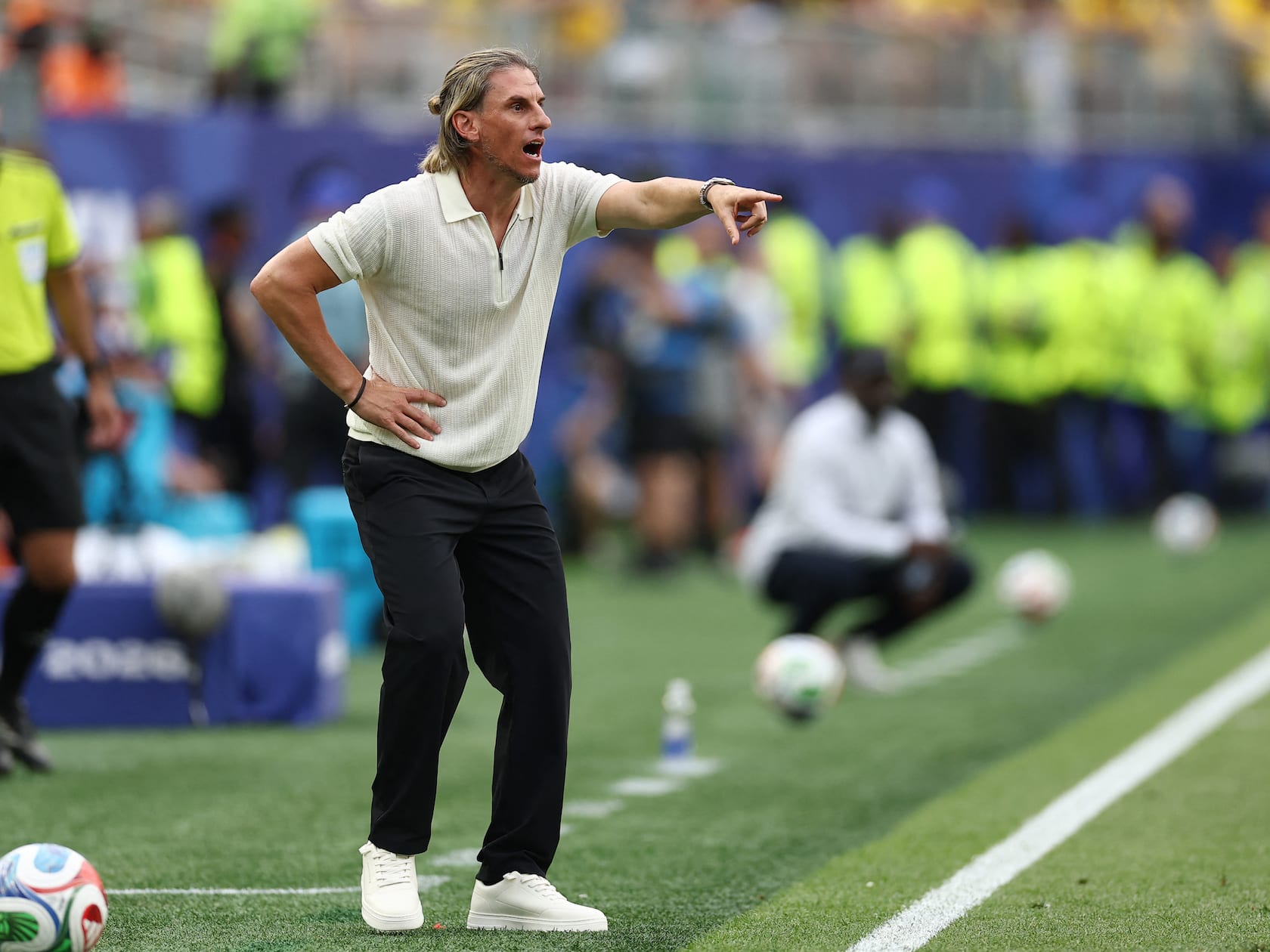
Among the group, Ecuador’s Sebastián Beccacece is perhaps the most intriguing hire. Ecuador has developed a reputation for churning out elite young players — Moisés Caicedo, Piero Hincapié, and Kendry Páez among them. But their head coach, as of this World Cup, comes from that Santa Fe pipeline. Beccacece has spent much of his career as an assistant to Jorge Sampaoli and managed Independiente, Defensa y Justicia, and Elche before taking the Ecuador job.
He now leads a team expected to make noise in a group that includes host nation Mexico and a resurgent Netherlands side. According to reports, Beccacece has implemented a high-pressing system that suits Ecuador’s young, athletic core.
Why This Matters
It’s not just about quantity — it’s about influence. Bielsa’s tactical philosophy has shaped a generation of coaches, including Pochettino and Scaloni. Alfaro and Lorenzo have their own distinct styles, but the thread is unmistakable: Argentine coaches prioritize structure, discipline, and high-intensity football.
Statistically, if you’re watching a South American team at this World Cup, there’s a strong chance the man with the clipboard is Argentine. The region’s talent on the field is as deep as ever, but off it, Argentina’s coaching colony is running the show.
Whether any of them will lift the trophy in July remains to be seen. But the influence is already undeniable.
Leave a Comment