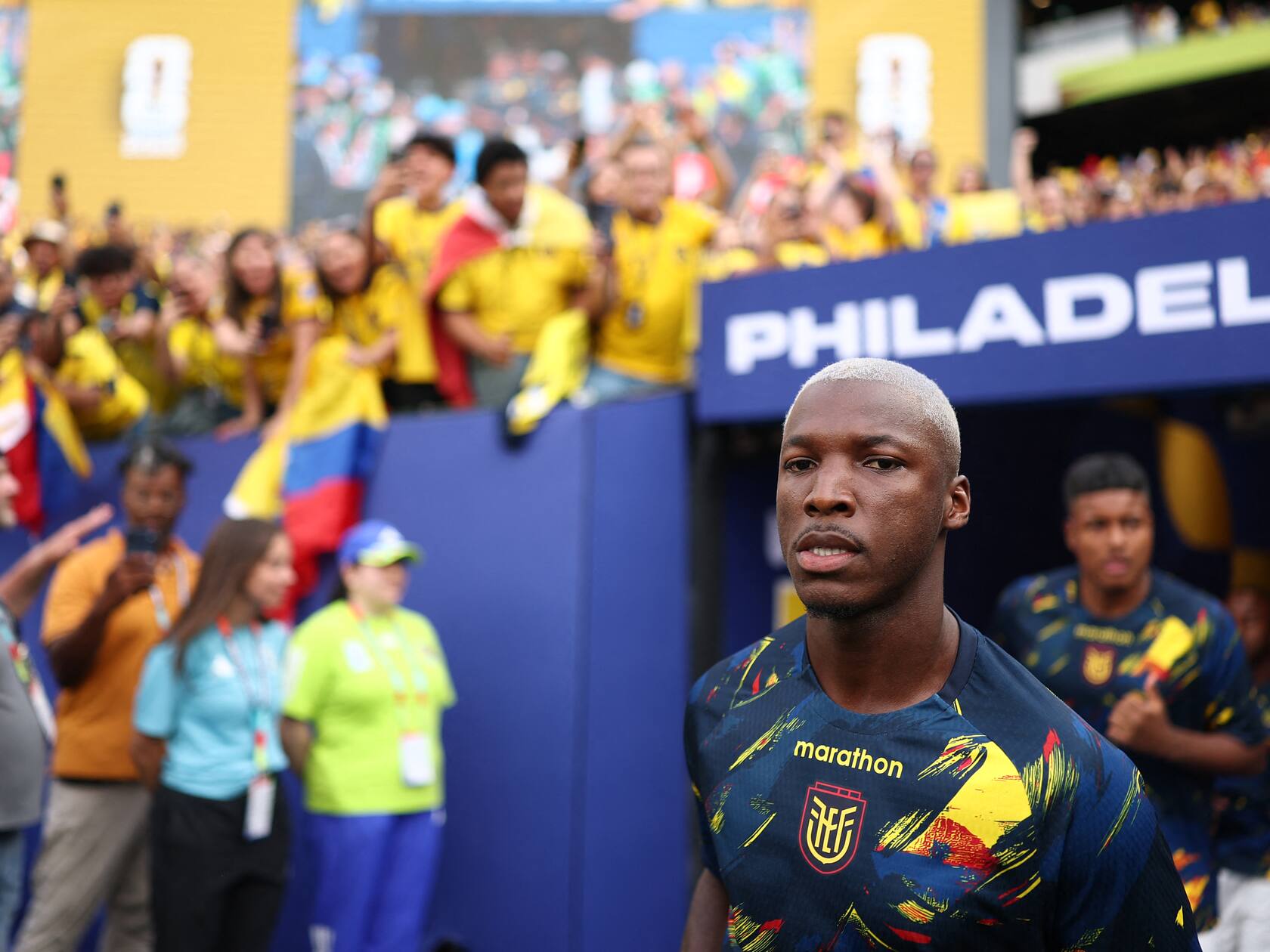
Four minutes into their 2026 World Cup opener against Côte d’Ivoire, Ecuador had already done something no previous generation of La Tri had managed. Every single player on the pitch for the starting whistle plies his trade outside the country — a first in Ecuador’s five-tournament World Cup history.
It’s not just a milestone. For a nation that has long leaned on domestic star power — think Agustín Delgado, Antonio Valencia, or even the 2014 version of Enner Valencia — this shift signals a deeper, structural change in how Ecuador develops and exports talent. And thanks to a glut of players now starring across Europe’s top leagues, this golden window may be just opening.
From Quito to Chelsea, Paris, and London
The most recognizable names punch through immediately. Arsenal’s Piero Hincapié anchors the back line. Paris Saint-Germain’s Willian Pacho starts beside him. Moisés Caicedo, the $115 million Chelsea midfielder who patrols the center of the pitch, is the engine. That trio alone represents three of European football’s most coveted young defenders and perhaps the Premier League’s most complete box-to-box midfielder.
But the depth extends further. Bayer Leverkusen’s Piero Hincapié — no relation, same name — adds another layer of quality. Kendry Páez, still just 18, is already on Independiente del Valle’s books but committed to Chelsea in a deal that will see him move to Stamford Bridge when he turns 18. The pipeline is real and it’s flowing west.
Qualifying Wasn’t a Fluke
Ecuador finished second in CONMEBOL World Cup qualifying — ahead of Brazil, Colombia, and Uruguay. That’s not a lucky streak; that’s a program that has leapfrogged traditional powers through smart investment in youth academies and a willingness to let teenagers move to Europe early.
The result is a starting lineup that looks like a Champions League fantasy draft rather than a South American federation plucked from the foothills of the Andes. And because every player operates in elite environments week in and week out, the tactical discipline and physical conditioning that once separated Ecuador from the traditional giants are now table stakes.
What This Means for the Tournament
Is this Ecuador team ready to make a deep run? The talent says yes. The experience says maybe not yet. No player in this starting XI has been past a World Cup quarterfinal. But the trajectory is unmistakable. For the first time, Ecuador walks onto the sport’s biggest stage with no domestic passengers and a bench full of players who start in England, France, Germany, and Italy.
How far can they go? That depends on whether this generation can handle the pressure of bearing a nation’s expectations — and whether the defense can keep pace with a midfield that may be the best in the group. But one thing is already certain: Ecuador’s golden generation isn’t just arriving. It’s already here.
Leave a Comment