The confetti had barely been swept off the Madison Square Garden floor before the questions started. Not about Jalen Brunson’s historic 45-point masterpiece, though that certainly deserved headlines of its own. No, the real debate hovering over the Spurs’ 94-90 Game 5 collapse was simpler and far more uncomfortable for San Antonio: can this roster, as constructed, ever actually win a championship?
It’s a brutal question to ask a team that just won 62 games, dethroned the defending champion Thunder, and reached the NBA Finals for the first time since 2014. But championship losses have a way of exposing flaws that 82-game success can mask. And what the Knicks exposed in those final 12 minutes wasn’t just a bad quarter — it was a fundamental mismatch between the Spurs’ two best players.
The Stagnation Problem
Through the first three quarters of Game 5, everything looked like it was finally breaking San Antonio’s way. Karl-Anthony Towns was in foul trouble. The Spurs built a 16-point lead. Dylan Harper was cooking, putting up 25 points. Victor Wembanyama had his usual surreal stat line of 19 points, 14 rebounds, and five blocks. Even with a 15-point cushion deep into the third, it felt like the series was heading back to Texas.
Then the Knicks switched everything. And the Spurs’ offense — which had looked so fluid all season — ground to a halt.
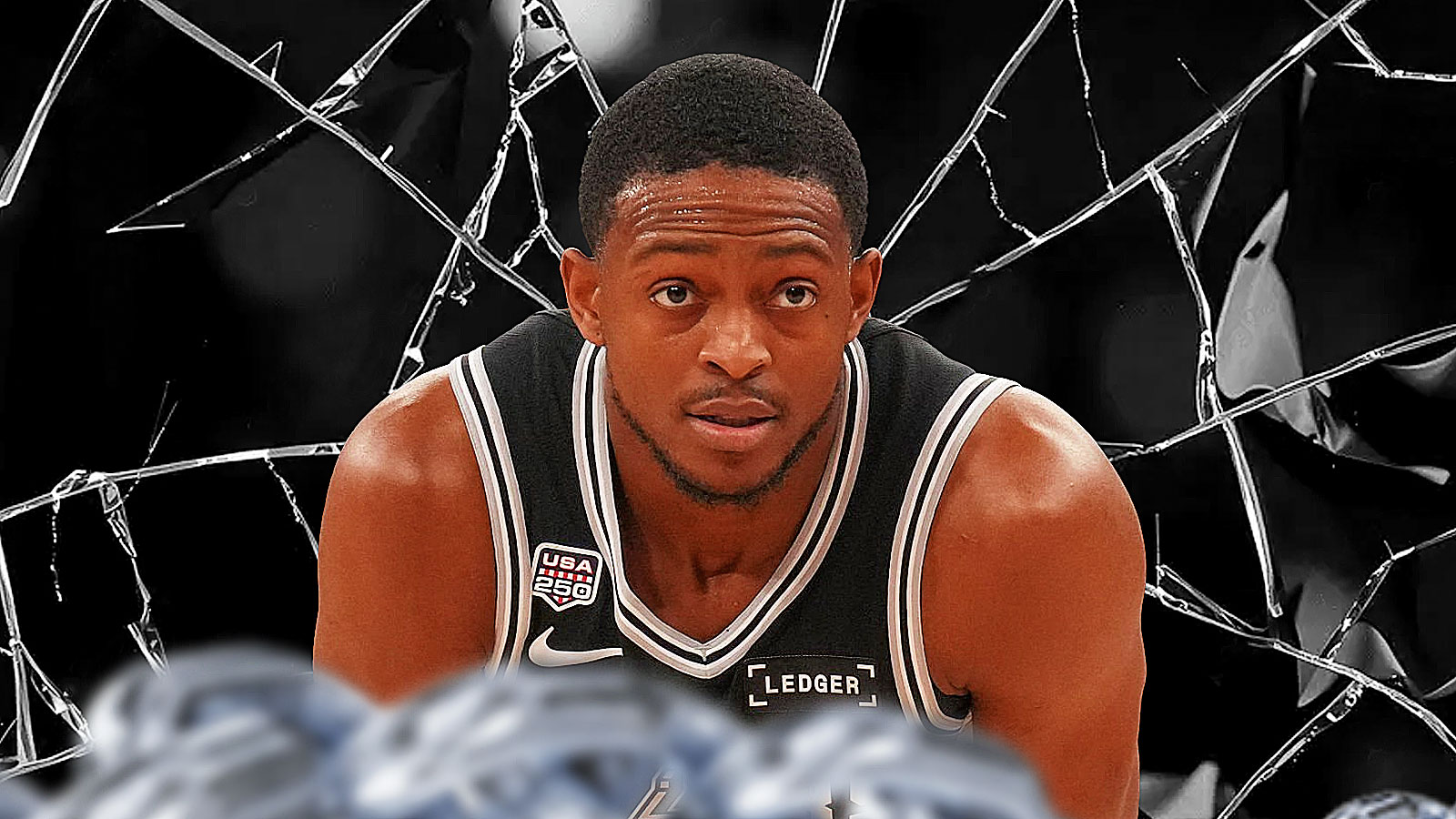
The issue wasn’t effort. It was geometry. New York’s defense dared De’Aaron Fox to beat them from deep, going under every screen and packing the lane. Fox, for all his elite burst in transition, couldn’t make them pay consistently. When the game slowed down and every half-court possession mattered, the driving lanes he and Wembanyama both need to operate simply disappeared.
Fit Over Feel
This isn’t about Fox’s talent. He’s an All-Star guard, a legitimate weapon in transition, and the kind of creator most teams would kill to have. But the modern NBA is ruthless about fit, and the numbers don’t lie. Championship offenses built around generational big men — Jokic with shooters, Dirk with spacing, Giannis with a floor spread to the edges — all share one thing in common: perimeter gravity that keeps defenses honest.
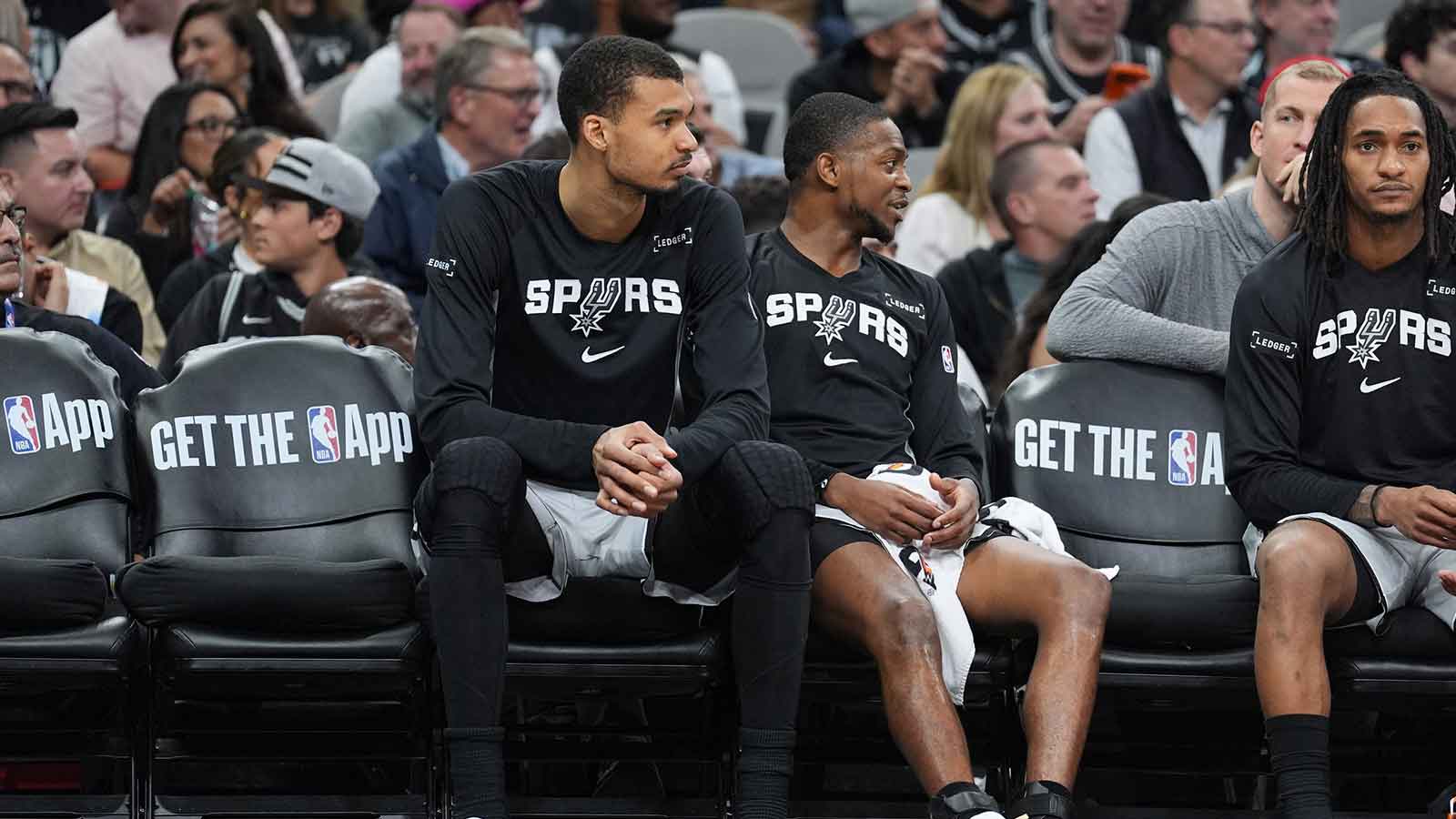
Fox’s game thrives in the same real estate Wembanyama occupies. When New York collapsed into the paint in the fourth quarter, Wembanyama saw double-teams before he even caught the ball. Harper couldn’t find clean looks. The result was predictable: a 94-90 loss and a trophy ceremony that belonged to the Knicks.
The Spurs have to ask themselves whether they’re building for the next two years or the next ten. Fox is 28, firmly in his prime, and carrying a max salary. Harper and Stephon Castle are still rising. Wembanyama is just beginning what could be a decade-long run among the league’s elite. Those timelines don’t perfectly align.
The Market Argument
If San Antonio decides to move Fox, the timing is almost perfect. Despite the Finals disappointment, his value remains high. Multiple playoff teams would line up for an All-Star guard who can single-handedly change a team’s transition offense. A well-structured trade could bring back premium draft capital, a versatile two-way wing, or the kind of elite shooting the Spurs desperately need.
Imagine a lineup built around Wembanyama, Harper, Castle, and three or four knockdown shooters who don’t need the ball to be effective. The spacing would open up everything Wembanyama does best. The defense would still be elite. And the Spurs would suddenly look like the team that can run off three or four championships, not just one.
Is it risky? Absolutely. Fox is beloved in San Antonio, and trading him would be a massive bet on Harper’s rapid development. But the Spurs have already proven they can reach the Finals with this formula. What they discovered against the Knicks is that reaching the Finals and winning the Finals are two very different things. Sometimes the hardest move is also the smartest one.
Leave a Comment