
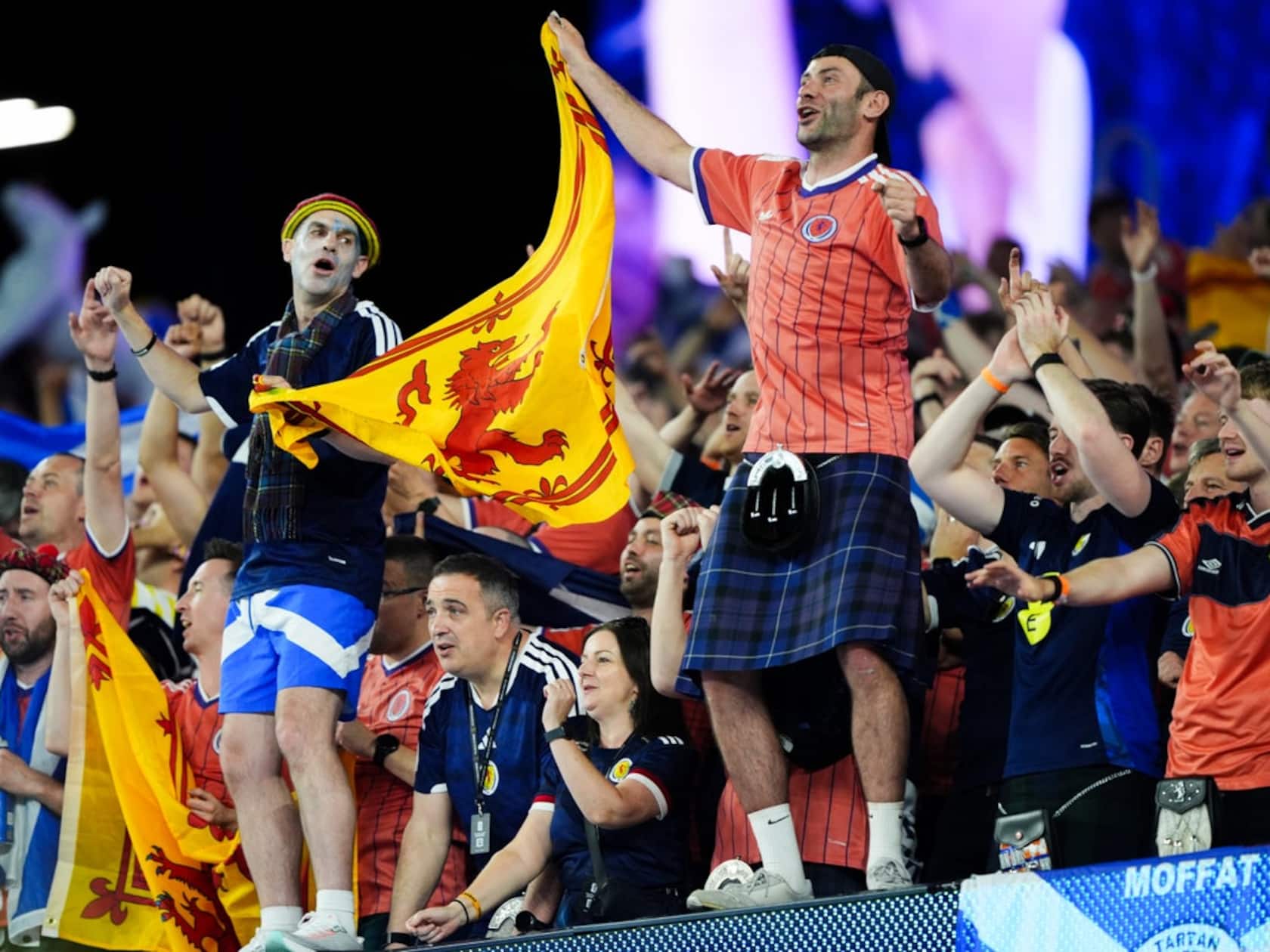
FOXBOROUGH, Mass. — For 28 years, Scotland fans had packed pubs, painted faces, and prayed. They watched Brazil, they watched England, they watched Zaire. They watched every World Cup except their own. On Sunday night at Gillette Stadium, after a 28th-minute goal from John McGinn, the wait ended. And suddenly, the impossible stared back from Group C’s standings: Scotland at the top, five-time world champion Brazil looking up.
It wasn’t pretty. It wasn’t convincing. Haiti — ranked 83rd in the world — controlled long stretches, had more shots, and might have stolen a draw if Frantzdy Pierrot hadn’t fired straight at Angus Gunn in the 93rd minute. But for a nation that hadn’t tasted a World Cup win since 1998, style points didn’t matter. The final whistle brought something Scotland hadn’t felt on this stage in a generation: a victory, a party, and a legitimate path to the knockout rounds.
McGinn’s Moment — and a Deflection That Changed Everything
Steve Clarke’s team needed this. With Morocco and Brazil still to play, anything less than three points would have made an early flight home almost certain. And for a team that historically starts tournaments slowly, grinding out results isn’t just useful — it’s survival.
McGinn, fresh off a Europa League title with Aston Villa, became the first Scot to score in a World Cup this century. His shot took a massive deflection off Haiti’s Jean-Ricner Bellegarde, looping over goalkeeper Johny Placide. It wasn’t clean. It didn’t matter. The Proclaimers’ “I’m Gonna Be (500 Miles)” blasted through the stadium speakers. The Tartan Army — thousands strong, many having flown in from Scotland — answered with a roar that made Foxborough feel like Hampden Park.
“We wanted to do something special,” Clarke had said before kickoff. In the context of Scotland’s history, they already had. In terms of performance, they knew they’d need more. But for one night, the result was the story.
Haiti’s Heartbreak — and a Warning for Scotland
Haiti, playing in just their second World Cup, showed they’re not here to be tourists. Ruben Providence forced a Gunn error early; Wilson Isidor nearly pounced on the rebound. The Caribbean side was sharper on the break, quicker in transition. But their final pass — and their finishing — let them down. They deserved something. They walked away with nothing.
For Scotland, the warning signs are clear. Morocco held Brazil to a draw earlier in the day. Brazil, even in transition, remains Brazil. But with four points from two games, Scotland controls its own destiny. A draw against Morocco on Thursday could seal a spot in the round of 16 — something no Scottish men’s team has ever achieved.
What Comes Next: The Extra Game That Feels Real Now
For years, Scotland fans joked about the “mythical extra game” — the knockout match they’d never seen. Now it’s within reach. Scott McTominay hit the post in the first half; Graeme Souness was the last Scot to do that, back in 1982. Andrew Robertson, the captain, held the back line together. Grant Hanley and Jack Hendry made crucial interventions.
They’ll need all of that and more against Morocco. But for now, let the record show: Scotland is back at the World Cup, they’ve won a game, and for the first time in a generation, they can dream about playing a week from Tuesday.
And yes, sir, they can boogie.
Leave a Comment